
7 Questions to Ask Before Buying a Pre-Owned Home
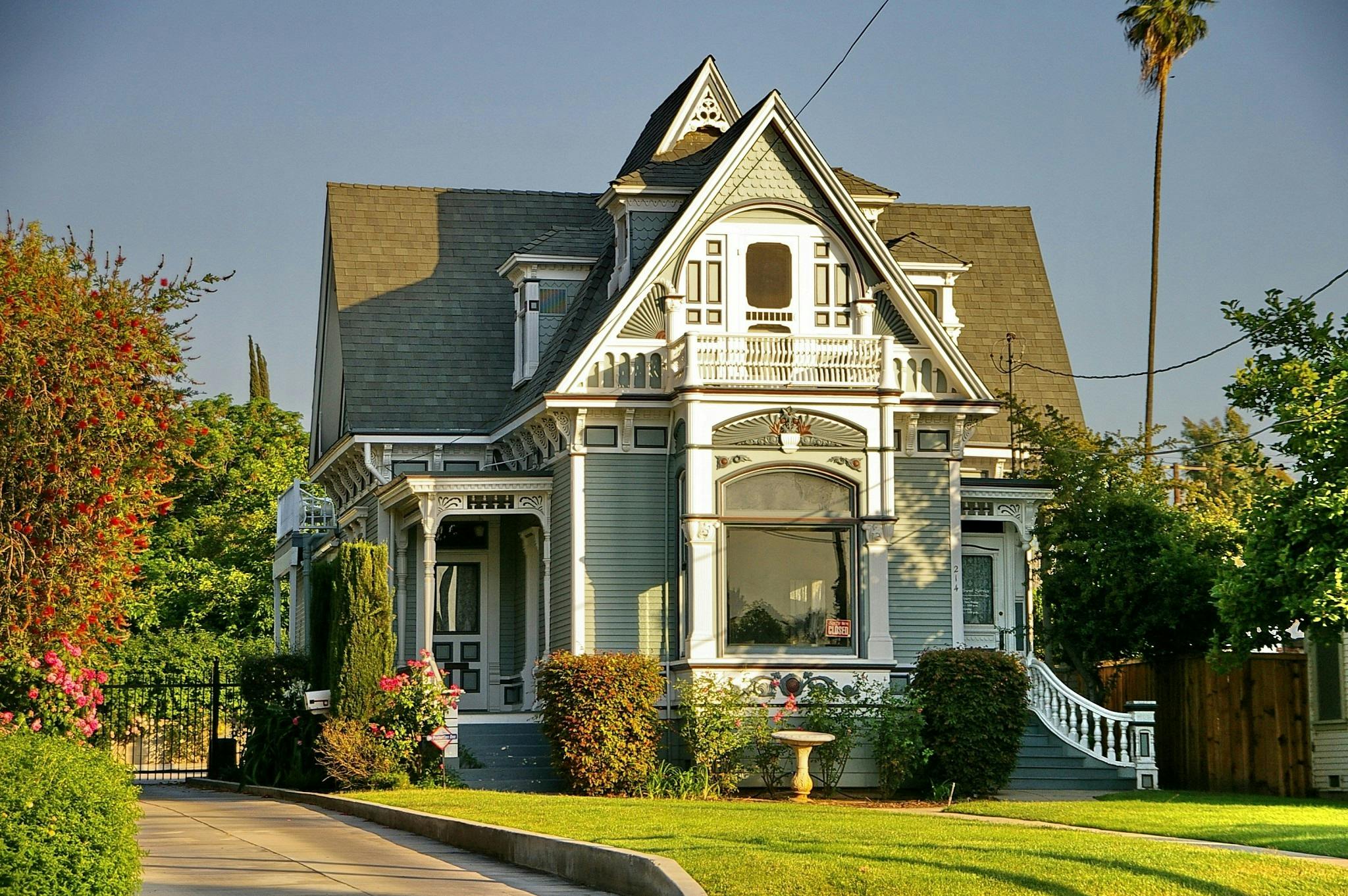
Buying a pre-owned home is one of the most significant financial decisions you will ever make. Unlike purchasing a brand-new property, buying an existing home comes with a history — and that history can either work in your favor or cost you dearly down the line.
The difference between a great investment and a costly mistake often comes down to how well you prepare before signing on the dotted line. Asking the right questions early in the process gives you the knowledge and leverage to make a confident, informed decision.
1. Why Is the Seller Leaving?
Understanding why the current owner is selling can reveal a great deal about the property. Sometimes the reason is simple — a job relocation, downsizing, or upgrading to a larger home. Other times, the motivation runs deeper.
If the seller seems eager to close quickly or is pricing the home below market value, those can be subtle red flags worth investigating. A motivated seller isn’t always a bad sign, but it’s worth asking your real estate agent to dig a little deeper on your behalf.
2. How Long Has the Home Been on the Market?
A home that has been sitting on the market for months often tells a story. It could mean the price is too high, or it could signal that buyers who toured the property walked away for reasons that aren’t immediately obvious from the listing photos.
Ask your agent to pull the full listing history, including any price reductions. If the home has been relisted multiple times or lingered well past the local average, treat that as an invitation to ask more questions rather than a reason to walk away entirely.
3. What Is the Age and Condition of Major Systems?
Every home runs on critical systems — the roof, HVAC, plumbing, and electrical infrastructure. These systems have lifespans, and when they fail, replacements can cost tens of thousands of dollars with very little warning.
Ask for documentation on when each system was last serviced or replaced. A roof that is fifteen years old or a water heater approaching the end of its expected life should factor directly into your offer price or negotiation strategy. Never assume these systems are in good shape without verified records.
4. Has the Home Been Inspected for Hazardous Materials?
This is one of the most important questions you can ask, and unfortunately, one of the most overlooked. “Older homes — particularly those built before 1980 — are more likely to contain hazardous materials such as asbestos, lead-based paint, or radon gas,” says MD Mold Testing, a company offering mold testing in Montgomery County MD.
Asbestos was commonly used in insulation, floor tiles, and roofing materials for decades before its health risks became widely understood.
When disturbed, asbestos fibers become airborne and can cause serious respiratory conditions, including mesothelioma. Lead-based paint, often found beneath newer layers of paint in older homes, poses significant risks especially to young children.
Radon is a naturally occurring radioactive gas that seeps up from the ground and can accumulate to dangerous levels in poorly ventilated spaces. It is colorless, odorless, and responsible for a significant number of lung cancer cases each year, making it a silent but serious threat in many homes.
Always request that a hazardous materials inspection be conducted before purchase. If the seller has not already had one done, make it a condition of your offer. The cost of the inspection is minimal compared to the health risks and remediation costs you could face after moving in.
5. What Has Been Repaired or Renovated — and Were Permits Pulled?
Renovations can be a selling point, but they can also conceal deeper problems if they were done improperly. A beautifully renovated kitchen is exciting, but if the work was carried out without the proper permits, you could inherit legal and structural headaches as the new owner.
Ask the seller to provide a full disclosure of any work done on the property in recent years. Confirm whether permits were applied for and closed out correctly. Unpermitted work can affect your homeowner’s insurance, complicate future renovations, and even create issues when you eventually sell the home yourself.
6. What Do the Neighbors and Neighborhood Look Like?
The home itself is only part of what you’re buying. The neighborhood, local infrastructure, school districts, noise levels, and neighbor dynamics all contribute to your day-to-day quality of life and the long-term value of your investment.
Visit the area at different times of the day and on different days of the week. Drive through during morning rush hour, on a weekend afternoon, and in the evening. Speak to neighbors if you get the chance — they will often share information that no listing or seller disclosure ever will, and their perspective can be invaluable.
7. Are There Any Outstanding Liens or Legal Issues on the Property?
This is a question that your real estate attorney or title company should be helping you answer, but it’s important that you ask it directly and confirm the research has been done thoroughly. A home with outstanding liens, unresolved disputes, or title issues can create serious legal and financial complications for you as the buyer.
Common issues include unpaid contractor fees, back taxes, or disputes among co-owners. A clean title search will reveal these problems before closing, giving you the opportunity to address them or walk away. Never skip this step, regardless of how straightforward the sale appears to be.
Final Thoughts
Buying a pre-owned home is a rewarding journey when you approach it with the right level of diligence. The seven questions above are not meant to make you fearful of the process — they are meant to make you powerful within it.
A well-informed buyer is a protected buyer. From understanding why a seller is moving to ensuring the home is free of hazardous materials, every question you ask brings you closer to a purchase you will feel good about for years to come.
Take your time, work with experienced professionals, and never be afraid to ask the hard questions. The right home is out there — and the right questions will help you find it.


