
What Is Food Therapy for Kids? Your Complete Guide
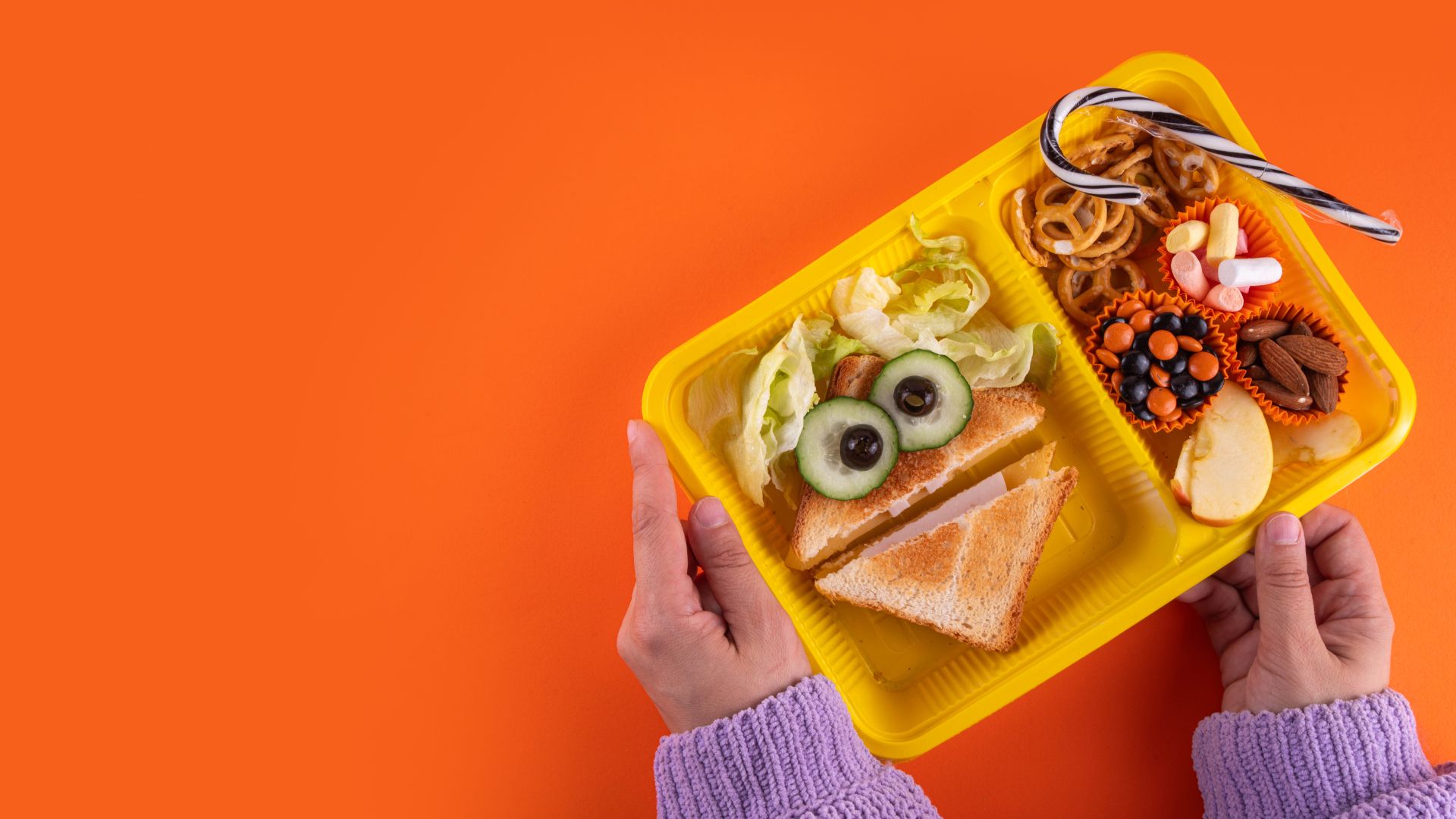
Your toddler gags at the sight of green beans. Mealtimes stretch past an hour. Chicken nuggets are the only safe food left. Sound familiar?
Around 20% of kids struggle with eating before they turn seven.
But here’s the thing: there’s a difference between a picky eater who refuses broccoli and a child who can’t eat it.
Food therapy for kids isn’t about forcing vegetables down tiny throats. It’s specialized help for children facing real feeding challenges like gagging on textures, refusing entire food groups, or taking forever to finish meals.
If your child’s relationship with food feels broken, food therapy might be the answer.
Let’s study what it is, who needs it, and how it can transform your family’s mealtimes from stressful to peaceful.
What Is Food Therapy for Kids?
Food therapy for kids is specialized support that helps children overcome eating challenges. It goes beyond dealing with picky eaters. This therapy targets real feeding issues like trouble swallowing, extreme food refusal, or sensory problems with textures.
Trained professionals lead these sessions. Occupational therapists (OTs) work on sensory issues and motor skills. Speech-language pathologists (SLPs) focus on oral motor function and swallowing.
Often, you’ll see a multidisciplinary team of therapists, nutritionists, and sometimes psychologists working together.
Here’s the key difference: normal picky eating means your child refuses broccoli but eats other veggies. A feeding disorder means they reject entire food groups, gag at certain textures, or struggle physically to chew and swallow.
Picky eaters usually grow out of it. Kids with feeding disorders need professional help. If mealtimes feel like battles and your child’s diet is shrinking instead of expanding, that’s your signal.
Food therapy addresses the root cause, whether it’s sensory, motor, or behavioral, so eating becomes enjoyable again.
Signs Your Child May Need Feeding Therapy

Most kids go through phases with food. But some signs point to bigger issues that need professional attention.
Sign 1: Mealtimes Take Forever
Your child sits at the table for 45 minutes or longer. Infants shouldn’t need more than 30 minutes to feed.
Toddlers and young children should finish meals in 30 to 40 minutes max. Anything beyond that signals potential feeding problems.
Sign 2: Extreme Reactions to Food
We’re not talking about making faces at Brussels sprouts. This is gagging when they see certain foods, throwing tantrums before meals even start, or refusing to sit at the table.
These intense emotional reactions suggest deeper anxiety around eating.
Sign 3: Very Limited Food Variety
Your child eats fewer than 20 different foods total. They refuse entire food groups, maybe only eating carbs and rejecting all proteins.
Or they’ll only eat specific brands or textures. This rigidity goes beyond normal preferences.
Sign 4: Trouble Transitioning to Solid Foods
By 12 months, most babies move from purees to textured foods. If your toddler still only accepts smooth purees well past their first birthday, that’s a red flag.
They might be struggling with the physical skills needed for chewing.
Sign 5: Coughing, Choking, or Gagging Frequently
Occasional gagging is normal when kids try new textures. But if your child consistently coughs during meals, chokes on liquids, or gags on most foods, they may have oral-motor difficulties or swallowing issues that warrant assessment.
Types of Food Therapy Approaches
Different kids need different approaches. Some struggle with sensory issues. Others have physical difficulties. Many face a combination of challenges. That’s why feeding therapists use various methods tailored to each child’s needs.
The right approach depends on what’s causing your child’s feeding difficulties. A good therapist will first assess your child, then recommend the best fit. Sometimes they’ll combine techniques for better results.
| Approach | Best For | How It Works | Key Features |
|---|---|---|---|
| SOS (Sequential Oral Sensory) | Sensory-sensitive kids, autism spectrum | Play-based exploration of food through all senses before eating | Child-led, low-pressure, focuses on comfort over consumption |
| Sensory-Based Therapy | Texture aversions, sensory processing disorders | Gradual exposure to different textures, temperatures, and flavors | Uses sensory play and integration activities |
| Oral Motor Therapy (Beckman) | Weak chewing muscles, poor tongue control, and swallowing difficulties | Exercises to strengthen lips, jaw, tongue, and cheeks | Focuses on physical coordination and muscle development |
| Behavioral Therapy | Food refusal without physical limitations | Reward systems for trying new foods (stickers, praise) | Uses positive reinforcement and structured routines |
| Get Permission Approach | Anxious eaters, trust issues with food | Follows child’s pace and cues before progressing | Builds a feeding relationship between the caregiver and the child |
Each approach has its place. Sensory kids often thrive with SOS because there’s no pressure to eat right away. Kids with physical challenges need oral motor work. Behaviorally driven refusal responds well to structured reward systems.
Your therapist might start with one method and adjust as they learn more about your child. The goal isn’t following one approach perfectly. It’s finding what helps your child enjoy eating again.
How Food Therapy Works?

Food therapy follows a clear process from evaluation to progress. Here’s what you can expect:
Step 1: Initial Evaluation
The therapist observes your child eating a typical meal. They’ll ask about medical history, food preferences, and daily struggles.
Some kids need a swallow study if aspiration is a concern. This evaluation identifies whether issues are sensory, motor, behavioral, or a mix. It usually takes one to two sessions.
Step 2: Treatment Plan Creation
Based on the evaluation, the therapist sets specific, measurable goals. Maybe it’s tolerating three new textures or sitting through a meal without tantrums.
They’ll recommend a session frequency of once or twice weekly to start. You’ll know exactly what you’re working toward.
Step 3: Therapy Sessions Begin
Sessions often start with sensory warm-ups to get your child comfortable. Then comes food exploration through play, smell, touch, and eventually taste. No forcing. Ever.
The therapist models positive interactions with food. Parents join sessions to learn techniques they can use at home.
Step 4: Practice at Home
What happens in therapy means little without home practice. Your therapist will give you specific strategies for mealtimes.
Consistency between therapy and home is crucial. You’re part of the team.
Step 5: Progress Monitoring
The therapist tracks small wins like touching a new food, staying calm at the table, and taking a tiny taste. They adjust the plan based on what’s working.
Progress isn’t linear. Some weeks are great. Others feel like setbacks. That’s normal.
Timeline Expectations: Early intervention (before age 3) typically shows faster results. You might see small changes in weeks, bigger shifts in months.
Severe feeding disorders can take six months to a year or longer. Starting younger makes it easier. Changing a 2 year old’s relationship with food is simpler than changing a 12 year old’s.
Benefits of Food Therapy

Food therapy goes beyond what your child eats. The changes ripple through your entire family life.
1. Better Physical Health and Nutrition
Your child learns to chew properly and swallow safely. They start eating from multiple food groups, rather than just crackers and milk.
Weight gain happens naturally when nutrition improves. The risk of choking and gagging decreases as their skills strengthen.
2. Less Stressful Mealtimes for Everyone
No more hour-long battles at the table. Tears and tantrums fade. Your child approaches meals with less anxiety.
You stop dreading breakfast, lunch, and dinner. The whole family can actually enjoy eating together.
3. Healthier Relationship with Food
Kids learn that food isn’t scary or overwhelming. They discover eating can be pleasant, even fun.
This foundation shapes their eating habits for life. They’re more willing to try new things as they grow.
4. Developmental and Social Growth
Self-feeding skills improve by using forks and drinking from cups independently. Social eating becomes possible.
Your child can eat at birthday parties, school cafeterias, and restaurants without major issues. These skills build confidence that extends beyond mealtimes.
Food Therapy Techniques for Home

You don’t need to wait for therapy sessions to help your child. Try these strategies at home.
1. Keep Mealtimes Calm and Positive: Stress makes everything harder. Set a relaxed tone. Turn off screens. Sit together as a family when possible. Keep meals to 20 to 30 minutes max. If your child gets upset, take a break.
2. Try Food Play Activities: Let your child explore food without pressure to eat it. Build towers with crackers. Paint with pudding. Sort foods by color. Squeeze oranges. Play kitchen with real vegetables. This builds comfort and familiarity.
3. Use Gradual Exposure: Start where your child is comfortable. If they eat chicken nuggets, put nuggets on their plate with a new food nearby. Just looking at new food counts as progress. Next time, maybe they touch it.
4. Practice the “Kiss Goodbye” Technique: When your child doesn’t want to eat something, have them “kiss it goodbye” before throwing it away. It’s a gentle exposure without eating pressure.
5. Model Good Eating Behaviors: Kids copy what they see. Eat the foods you want them to try. Show enjoyment. Talk about flavors and textures positively. Don’t comment on what they’re not eating.
What to Avoid:
- Don’t force bites into their mouth.
- Don’t use food as a reward or punishment (“no dessert until you finish vegetables”).
- Avoid bribing with screen time for eating.
- Skip the “one more bite” battles. Don’t compare them to siblings or other kids.
- These tactics create negative food associations that worsen problems.
When and How to Get Help?
Wondering if your child needs professional support? Here’s how to move forward.
Schedule an appointment focused on feeding concerns. Bring details about what your child eats, the duration of each meal, and any choking or gagging episodes.
Your pediatrician can rule out medical causes and provide referrals to specialists. Trust your instincts. You know your child best.
Finding a Qualified Feeding Therapist
- Occupational therapists or speech-language pathologists with pediatric feeding experience
- Training in methods like SOS, Beckman, or sensory integration
- Experience with your child’s specific challenges
- Parent participation in sessions
Insurance and Costs
- Call your insurance company to verify feeding therapy benefits
- Ask for in-network providers
- Request a letter of medical necessity from your pediatrician
- Inquire about sliding scale fees or payment plans
Getting help isn’t admitting failure. It’s giving your child the support they need to thrive.
Conclusion
Food therapy isn’t a magic fix, but it can be life-changing. Your child can learn to enjoy eating.
Mealtimes can become moments of connection instead of conflict. The key is starting early and finding the right support.
If you’ve been wondering whether your child needs help, trust that instinct. Talk to your pediatrician this week. Ask about feeding evaluations.
Reach out to local therapists. Every small step matters.
Remember, seeking help isn’t a sign you’ve failed as a parent. It’s proof you’re doing everything possible to help your child thrive. Your family deserves peaceful, happy meals together.
Food therapy can help you get there.


