
Why Do Babies Stare? Understanding Your Baby’s Gaze
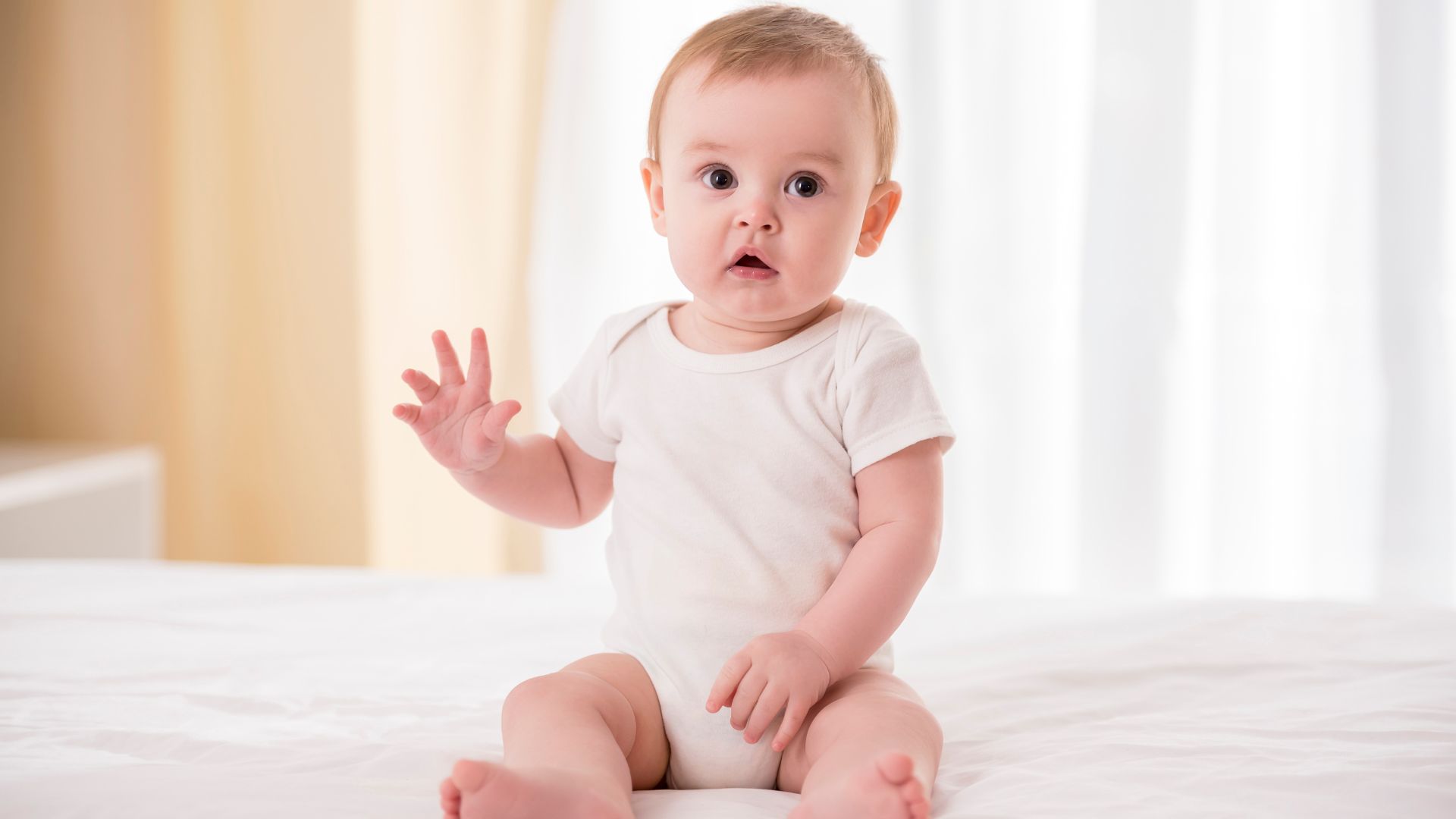
Have you ever caught your baby staring at you with those wide, unblinking eyes?
It’s one of the most common behaviors new parents notice, and it can feel both heartwarming and a little mysterious.
Babies stare a lot. It’s their way of taking in the world around them.
This natural curiosity is actually a sign of healthy development. Their intense gazes serve multiple purposes, from building vision skills to forming emotional connections.
In this post, we’ll learn the fascinating reasons behind those long stares.
You’ll learn how vision development plays a role, why emotional bonding matters, and what all that curiosity means for your baby’s growth.
The Science Behind Baby Staring
Babies the born with developing vision. At birth, they can only see about 8 to 12 inches in front of them, roughly the distance to a parent’s face during feeding. Everything beyond that is blurry.
As their eyes and brains develop, babies use staring to learn. They’re not just looking; they’re processing. Each gaze helps them build neural connections and understand their environment.
Here’s what makes staring so important for babies:
-
Vision development: Newborns have limited visual acuity and can only see high-contrast patterns clearly. Staring helps strengthen the eye muscles and improves focus over time.
-
Face recognition: Human faces are the most interesting visual stimulus for babies. The contrast between the eyes, mouth, and skin captivates them and helps them recognize caregivers.
-
Brain processing: When babies stare, their brains are working hard to categorize and store information. It’s like they’re taking mental snapshots of everything new.
-
Emotional learning: By studying facial expressions, babies learn to read emotions. This is crucial for social development and forming secure attachments.
The longer a baby stares at something, the more their brain is engaged in understanding it. It’s active learning in real time.
Reasons Why Your Baby Is Staring
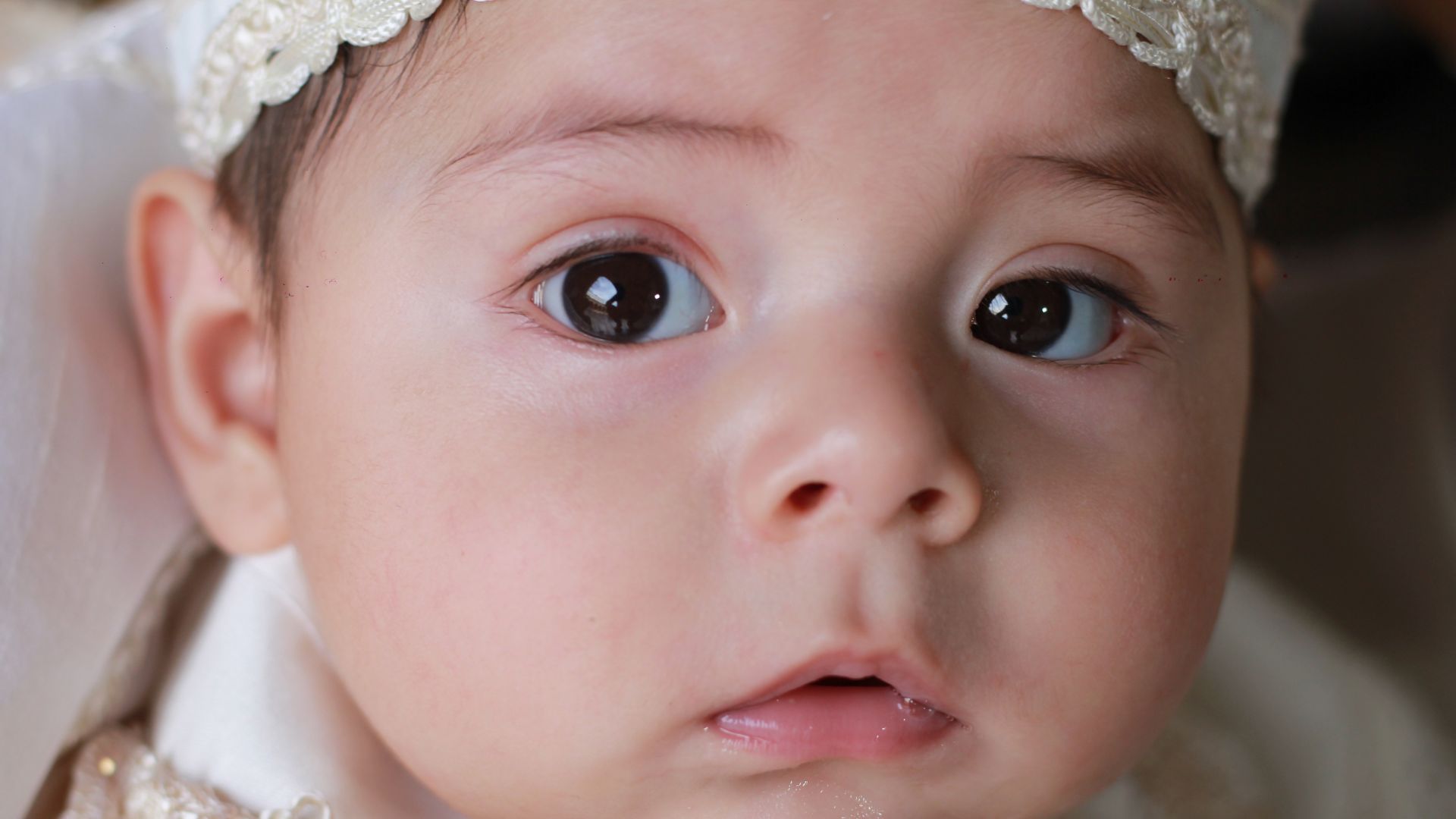
That intense baby stare isn’t random. There are specific reasons your little one locks eyes with you or fixates on objects around them.
Sign 1: They’re Building Their Visual Skills
Your baby’s vision is a work in progress. Staring is their primary way of exercising those developing eye muscles.
Newborns prefer bold patterns and faces because these are easiest to see. As they grow, they’ll start tracking movement and focusing on smaller details.
They’re learning to coordinate both eyes, adjust focus, and follow objects as they move.
Sign 2: They’re Bonding With You
When your baby stares at your face, something beautiful is happening. They’re forming an emotional connection that provides comfort and security.
Those long gazes during feeding or cuddle time? That’s bonding.
Eye contact releases oxytocin in both you and your baby, strengthening your attachment. This is how trust forms in those early months.
Sign 3: They’re Fascinated by Something New
Babies are natural explorers. When they encounter something unfamiliar, they stare to figure it out.
Maybe it’s a ceiling fan spinning overhead. Perhaps it’s a new toy with bright colors. Or it could be a stranger’s face.
This curiosity drives cognitive development. By staring, babies compare new experiences with what they already know.
Sign 4: They’re Reading Your Emotions
Your baby is studying your expressions to learn about feelings. They watch how your face changes when you’re happy, sad, or surprised.
This emotional learning is essential for their social development. Babies who spend time gazing at caregivers’ faces become better at recognizing and responding to emotions later. It’s their first lesson in empathy and communication.
Sign 5: They’re Simply Tired or Zoning Out
Sometimes a stare is just a stare. Babies can have what looks like an intense gaze when they’re actually tired or processing overstimulation.
If your baby has a glazed look and isn’t responding to your interactions, they might need a break. It’s their way of shutting down external input when they’re overwhelmed or ready for sleep.
When to Be Concerned About Baby Staring?
Staring is typically a healthy, normal behavior. It shows your baby is alert and engaged with their environment.
However, there are rare instances when excessive staring may indicate something worth discussing with your pediatrician.
If your baby consistently stares into space without tracking objects or making eye contact by three months, mention it at your next checkup.
The same goes if staring is accompanied by other concerns, such as not responding to sounds, not smiling socially by two months, or unusual stiffness.
Trust your instincts as a parent. If something feels off, it never hurts to ask a professional. Early conversations can provide peace of mind or catch developmental issues when they’re most treatable.
Conclusion
Those adorable baby stares are windows into your little one’s developing mind.
Whether they’re working on visual skills, bonding with you, or analyzing their surroundings, each gaze serves an important purpose.
Your baby isn’t just looking; they’re learning. They’re building connections, both neurological and emotional.
These intense stares are signs of a curious, healthy baby making sense of a brand new world.
So the next time your baby locks eyes with you, remember it’s development in action. It’s trust being built. It’s the beginning of a lifetime of learning and connection.
This behavior is completely normal and actually beneficial for your baby’s growth. Enjoy those precious moments; they’re helping shape who your child will become.


