
When Do Babies Roll Over? Milestones and What to Expect

Watching your baby hit new milestones is exciting. One moment they’re lying still, and the next, they’re wiggling and moving in ways that surprise you.
Rolling over is one of those big moments that makes parents grab their phones to capture it. This milestone marks an important step in your baby’s physical development.
It shows their muscles are getting stronger and their coordination is improving.
In this article, we’ll walk through when babies typically start rolling over, what signs to look for, and how you can support this exciting stage.
Whether your little one is an early roller or taking their time, you’ll find helpful guidance here.
What Does Rolling Over Mean for Babies?
Rolling over is when your baby moves from their back to their tummy, or vice versa, using their own strength.
It’s a major developmental milestone that signals the development of motor skills. This movement requires coordination between multiple muscle groups, including the neck, arms, core, and legs.
When babies master rolling over, they’re building the foundation for future skills like sitting up, crawling, and eventually walking.
It’s about your baby gaining control over their body and exploring their world in new ways.
Typical Age for Babies to Start Rolling Over
Most babies start rolling over between 4 and 6 months old, but the timeline can vary quite a bit. Some babies surprise their parents by rolling earlier, while others take a little longer to master the skill.
| Milestone | Typical Age Range | What to Expect |
|---|---|---|
| Rolling from tummy to back | 3 to 5 months | Usually happens first; babies use their arms to push |
| Rolling from back to tummy | 5 to 7 months | Requires more strength and coordination |
| Consistent rolling both ways | 6 to 8 months | Baby has mastered the skill and rolls with ease |
If your baby hits these milestones a bit earlier or later, that’s completely normal.
Some babies focus on other skills first, like babbling or reaching for objects. The key is to watch for steady progress rather than fixating on exact timing.
Signs Your Baby is Ready to Roll Over
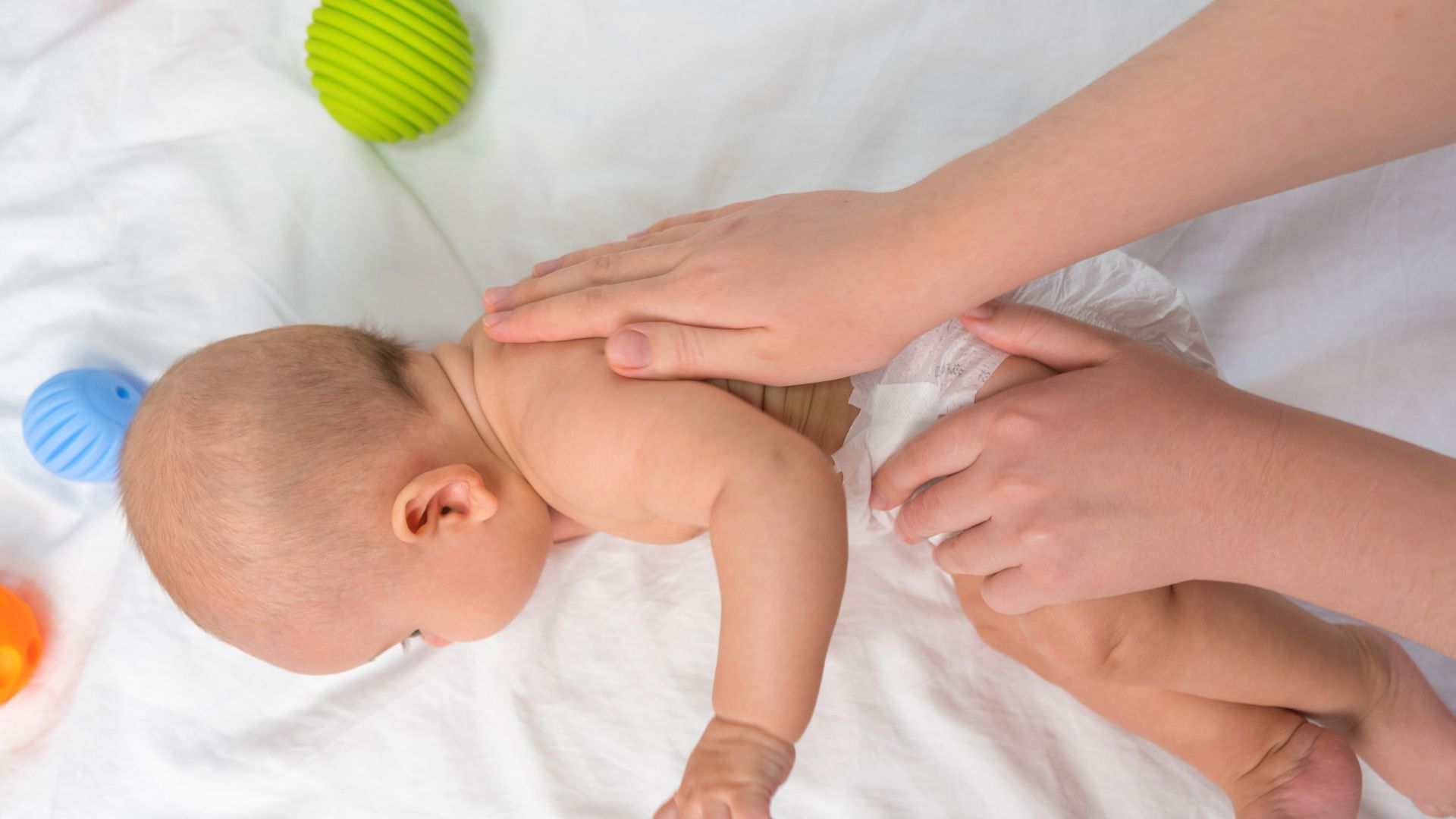
Your baby will give you clues when they’re getting ready to roll. Here’s what to watch for:
Sign 1: Strong Neck Control
When your baby can hold their head up steadily during tummy time, it shows they’re building the neck strength needed for rolling. You’ll notice they can lift their heads at angles of 45 to 90 degrees.
Sign 2: Active Leg Kicks
Babies who are close to rolling often kick their legs enthusiastically while lying on their backs. These movements help them build momentum and strengthen their core muscles.
Sign 3: Pushing Up During Tummy Time
If your baby pushes up on their arms during tummy time and lifts their chest off the floor, they’re developing the upper-body strength needed to roll.
Sign 4: Rocking Side to Side
You might notice your baby rocking from side to side while on their back or tummy. This back-and-forth motion is practice for the actual roll.
Sign 5: Increased Interest in Surroundings
Babies who are ready to roll often turn their heads to follow sounds or objects. This curiosity motivates them to move their bodies in new directions.
Why Some Babies Start Rolling Over Early?
Several factors can influence when your baby learns to roll:
- Genetics plays a role: If you or your partner hit motor milestones early, your baby might follow the same pattern.
- Regular tummy time matters: Babies who spend more time on their tummies build the necessary muscles faster. Even a few minutes several times a day makes a difference.
- Body type affects timing: Smaller or leaner babies sometimes roll earlier because they have less weight to move. Chunkier babies might take a bit longer, but are perfectly healthy.
- Individual temperament counts: Some babies are naturally more physically active and driven to move, while others are more content to observe before acting.
- Floor time is essential: Babies who spend time on the floor rather than always in swings or carriers have more opportunities to practice and develop their skills.
What to Do If Your Baby Hasn’t Rolled Over by 6 Months?

If your baby hasn’t rolled by 6 months, don’t panic. Here are some ways to encourage the skill:
1. Increase tummy time gradually: Start with short sessions and build up to 15 to 20 minutes spread throughout the day. Make it fun with toys or mirrors at eye level.
2. Create motivation with toys: Place interesting toys just out of your baby’s reach to encourage them to stretch and reach for them.
3. Reduce time in containers: Limit time in bouncers, swings, and car seats when you’re home. Babies need floor time to practice movement.
4. Try gentle assists: You can help by slowly rolling your baby from side to side during play. Let them do most of the work while you provide light support.
5. Stay patient and positive: Babies pick up on stress. Keep practice sessions playful and pressure-free. Celebrate little progress along the way.
When to Consult a Pediatrician?
Most developmental variations are nothing to worry about, but it’s good to know when to seek guidance.
Talk to your pediatrician if your baby hasn’t shown any rolling attempts by 7 months, seems stiff or floppy when you try to help them move, or has lost skills they previously had.
Also, reach out if one side of your baby’s body seems significantly stronger than the other, or if you notice your baby isn’t making progress in other areas, like reaching for toys or making eye contact.
Your pediatrician can assess whether your baby needs early intervention services or simply needs more time. Trust your instincts because you know your baby best.
Conclusion
Rolling over is an exciting milestone that typically happens between 4 and 6 months, though every baby follows their own timeline.
This skill shows your baby is building strength and coordination. By providing plenty of tummy time, floor play, and encouragement, you’re giving your baby the best chance to develop naturally.
Some babies are early rollers, while others take their time; both are completely normal.
If you have concerns about your baby’s development, your pediatrician is there to help. Most importantly, enjoy these moments.
Before you know it, rolling will turn into crawling, and your little one will be on the move constantly. Celebrate each small victory along the way.


