
Black History Month for Kids: Learn & Celebrate
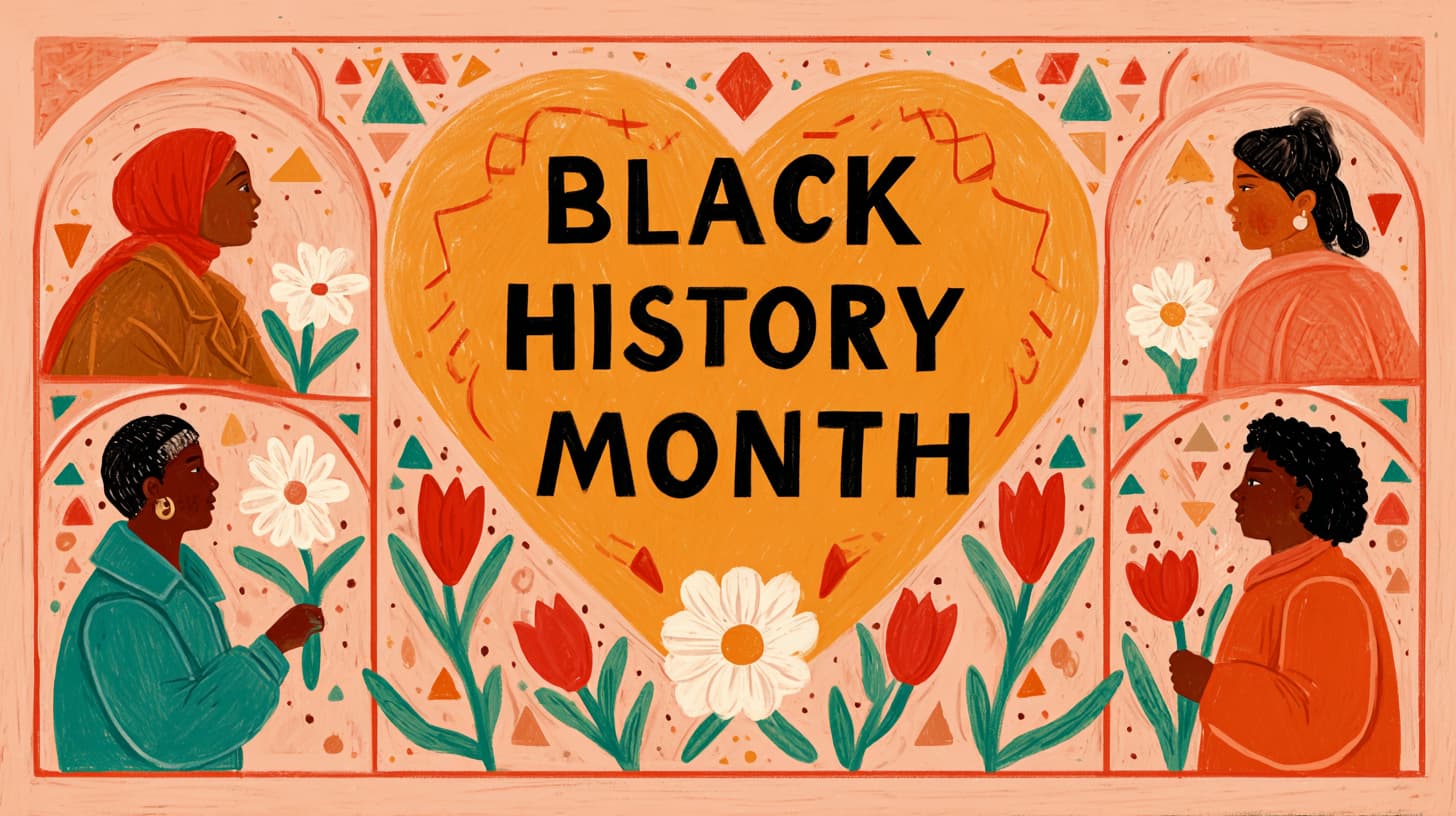
How to make history come alive for the little ones in your life?
Black History Month is the perfect chance to do just that. Every February, families and schools across the country celebrate the incredible contributions Black Americans have made to our world.
From inventors who changed how we live to leaders who fought for fairness, there are so many inspiring stories to share.
Teaching kids about Black history doesn’t have to feel heavy or complicated. With the right activities, conversations, and a little creativity, you can turn this month into an adventure of discovery.
Let’s study how to make Black History Month meaningful, fun, and unforgettable for kids of all ages.
What Is Black History Month?
Black History Month is a special time each year when we celebrate and learn about the important contributions Black Americans have made throughout history.
It’s a month dedicated to recognizing the achievements, struggles, and stories of Black people who have shaped our country and the world.
From inventors and artists to leaders and heroes, Black History Month shines a light on the people and moments that are often left out of traditional history books.
It’s a time for everyone to learn, reflect, and honor the rich culture and history of the Black community.
This celebration happens every February in the United States and Canada, giving families, schools, and communities the chance to explore stories that inspire courage, creativity, and change.
The reason February was chosen has a meaningful historical connection. It’s the birth month of two important figures: Abraham Lincoln, who signed the Emancipation Proclamation, and Frederick Douglass, a former enslaved person who became a powerful speaker and writer for freedom.
Black History Month started as “Negro History Week” in 1926, created by historian Dr. Carter G. Woodson. He wanted to make sure Black history was taught and remembered. In 1976, it expanded to the full month we celebrate today.
Why Black History Month Is Important for Kids?
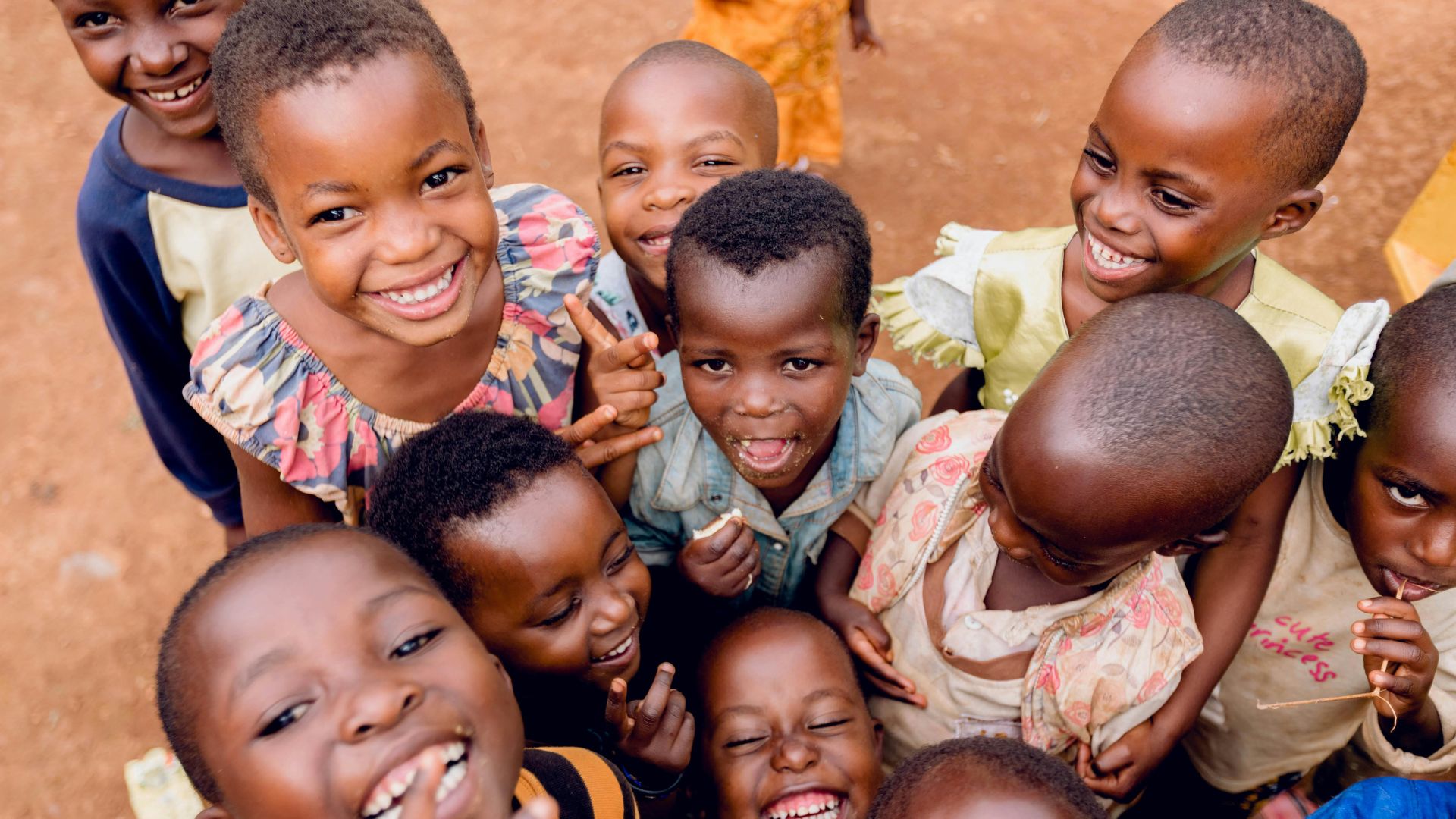
Teaching kids about Black History Month early helps build a foundation of respect, understanding, and appreciation for all people.
- Learning respect and equality: Kids discover that everyone deserves to be treated fairly, regardless of skin color.
- Celebrating achievements: Children learn about incredible inventions, art, music, and leadership from Black Americans.
- Building awareness early: Starting these conversations young helps kids grow up valuing diversity and inclusion.
- Understanding real history: Kids get a fuller picture of American history, including both struggles and triumphs.
- Developing empathy: Hearing different stories helps children connect with experiences outside their own.
Black History Month Activities for Kids
Getting kids involved with hands-on activities makes learning about Black History Month fun and memorable.
Classroom Activities
- Reading circles: Organize group readings featuring books by Black authors or stories about Black historical figures.
- Student presentations: Have students research and present on a Black leader or inventor they admire.
- Timeline projects: Create visual timelines mapping important moments in civil rights history.
- Class discussions: Talk about equality, kindness, and fairness in age-appropriate ways.
- Art displays: Set up bulletin boards showcasing student work, celebrating Black culture and history.
At-Home Activities
- Movie nights: Watch documentaries or films together that highlight Black history and culture.
- Cooking together: Prepare traditional soul food recipes while discussing their origins.
- Museum visits: Explore local museums with exhibits on Black history.
- Bedtime stories: Read books about inspiring Black leaders and heroes.
- Family conversations: Use shared experiences to create natural opportunities for meaningful discussions.
Crafts and Creative Projects
- Unity quilts: Make collaborative quilts with messages of hope and togetherness.
- Inventor collages: Create collages celebrating Black inventors and their amazing creations.
- Portrait painting: Paint or draw your favorite historical figures.
- Quote posters: Design colorful posters featuring famous quotes from civil rights leaders.
- Personal expression: Use art projects to help children express what they’ve learned creatively.
Black History Month Facts for Kids
✔️ Black History Month began in 1926 as just one week before expanding to a full month in 1976.
✔️ The colors red, black, and green represent the Pan-African flag and symbolize blood, people, and the land.
✔️ Dr. Carter G. Woodson is known as the “Father of Black History” for starting this important celebration.
✔️ Many everyday items we use were invented by Black Americans, including the traffic light, refrigerator, and gas mask.
✔️ Jazz, blues, hip-hop, and rock and roll all have roots in Black American musical traditions.
✔️ The first Black woman in space was Dr. Mae Jemison, who flew on the Space Shuttle Endeavour in 1992.
✔️ More than 180,000 Black soldiers fought for the Union during the Civil War to help end slavery.
Famous Black Leaders Kids Should Know
Learning about real people and their stories helps kids understand how courage and determination can change the world.
1. Martin Luther King Jr.
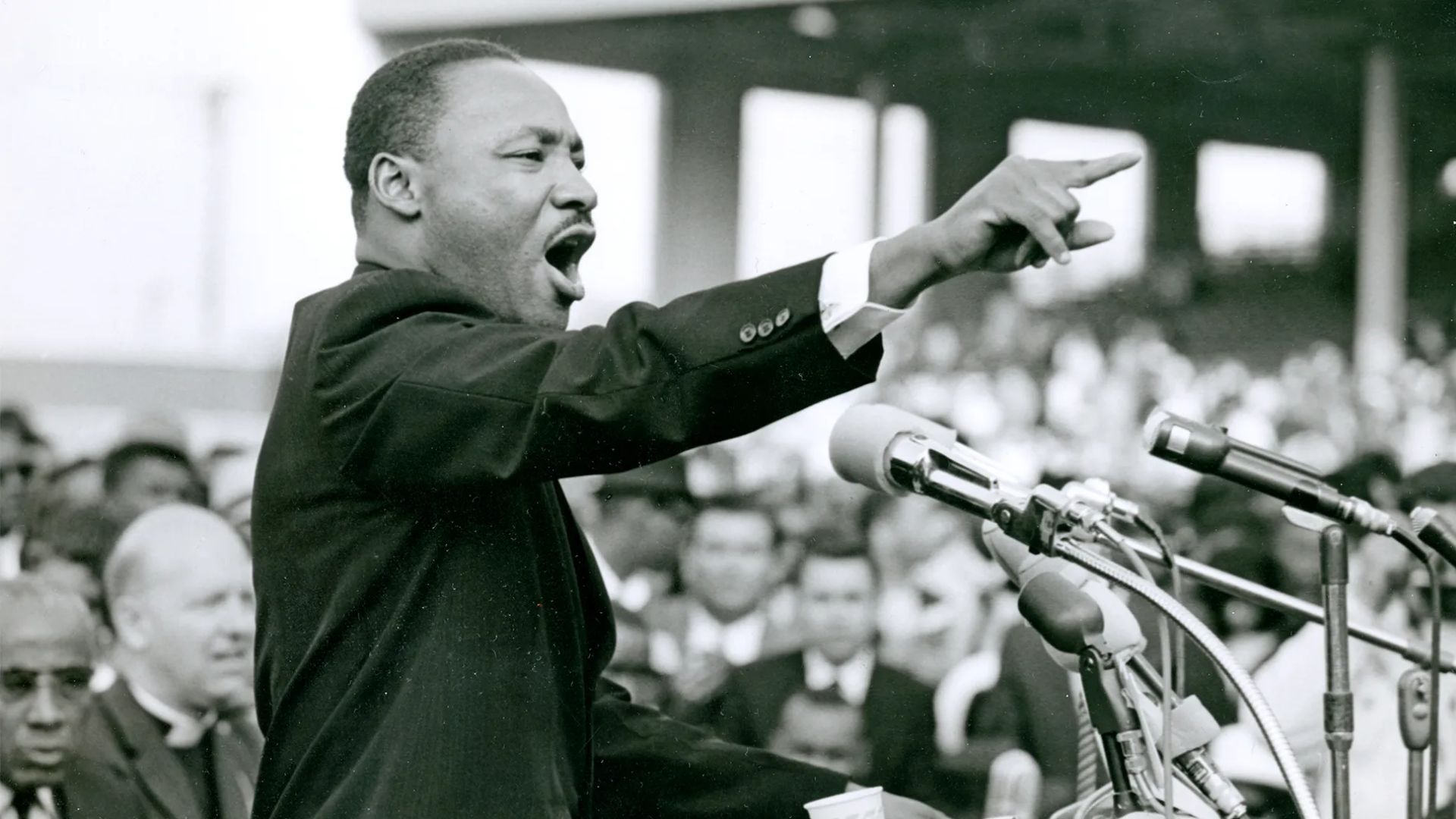
Martin Luther King Jr. was a minister and civil rights leader who believed in peaceful protest.
He fought for equal rights for all people and is famous for his “I Have a Dream” speech, delivered in 1963.
Dr. King helped change unfair laws and showed the world that love and nonviolence are powerful tools for change. His birthday is now a national holiday.
2. Rosa Parks
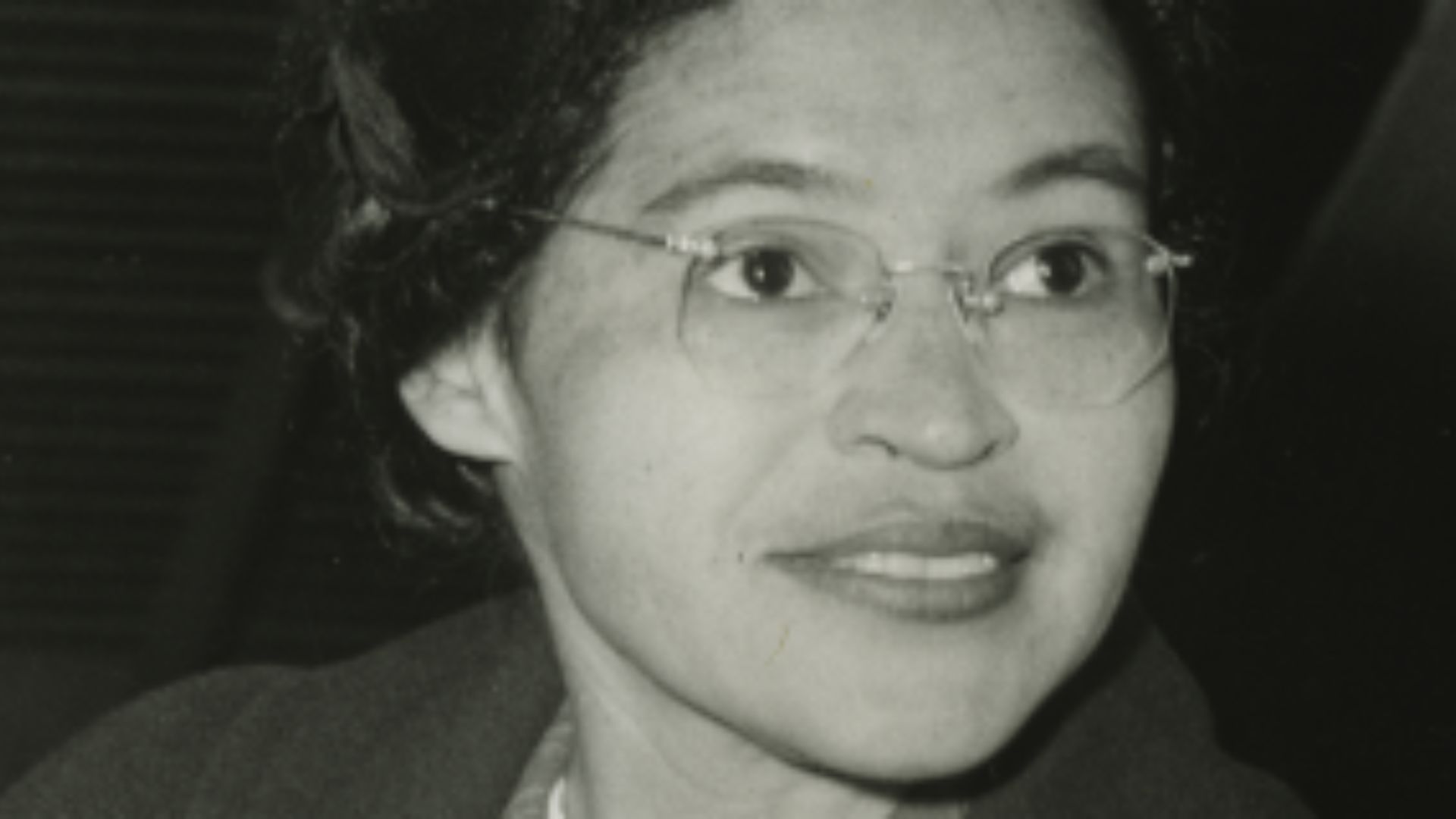
Rosa Parks is known as the “Mother of the Civil Rights Movement.” In 1955, she refused to give up her bus seat to a white passenger in Montgomery, Alabama, in defiance of unfair laws at the time.
Her brave act sparked the Montgomery Bus Boycott and inspired thousands to fight for equality.
3. Harriet Tubman
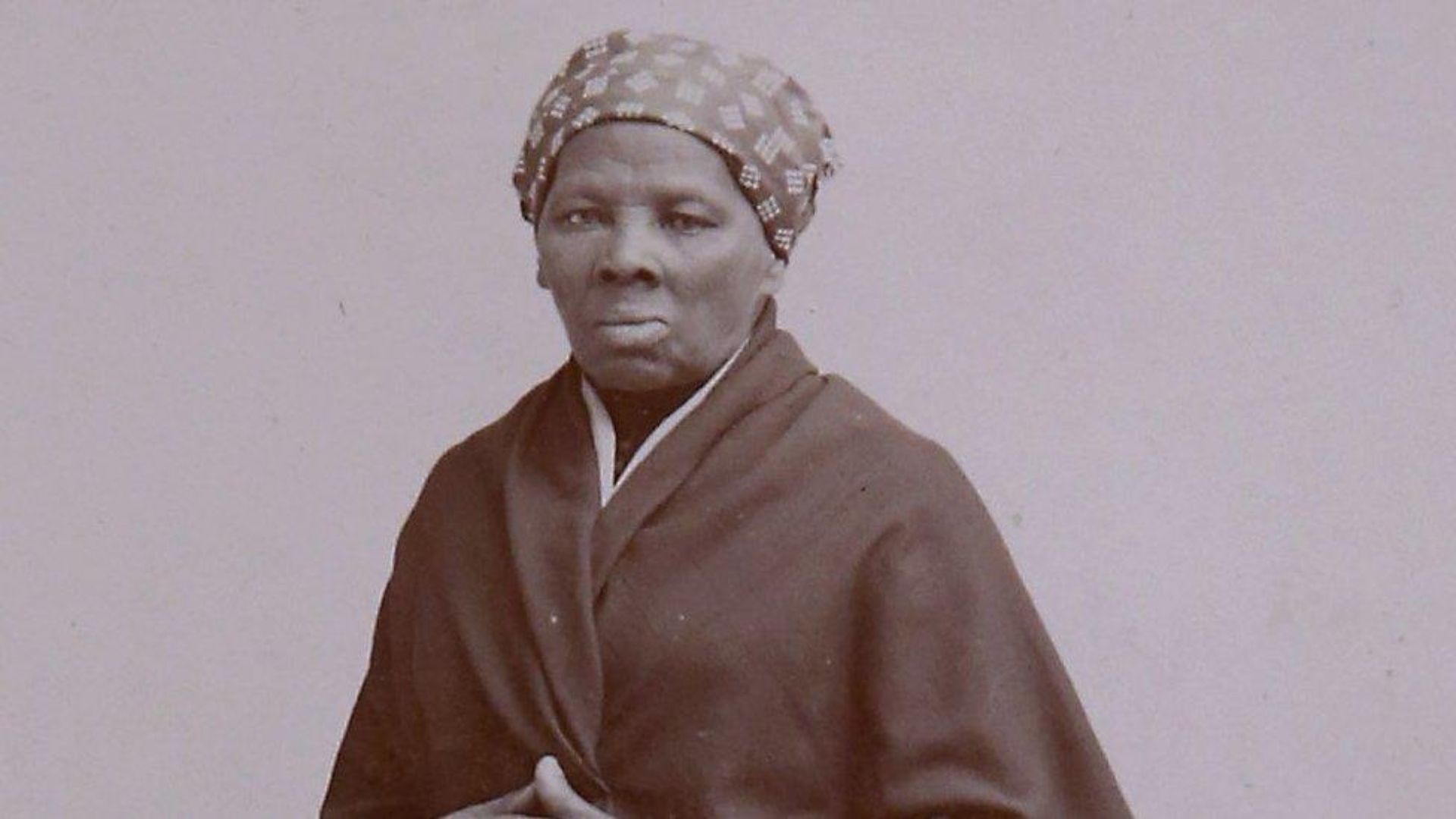
Harriet Tubman escaped from slavery and then risked her life repeatedly to help others escape, too.
She led more than 300 enslaved people to freedom using secret routes called the Underground Railroad. Harriet was also a nurse, a spy for the Union Army during the Civil War, and a voice for women’s rights.
4. Ruby Bridges
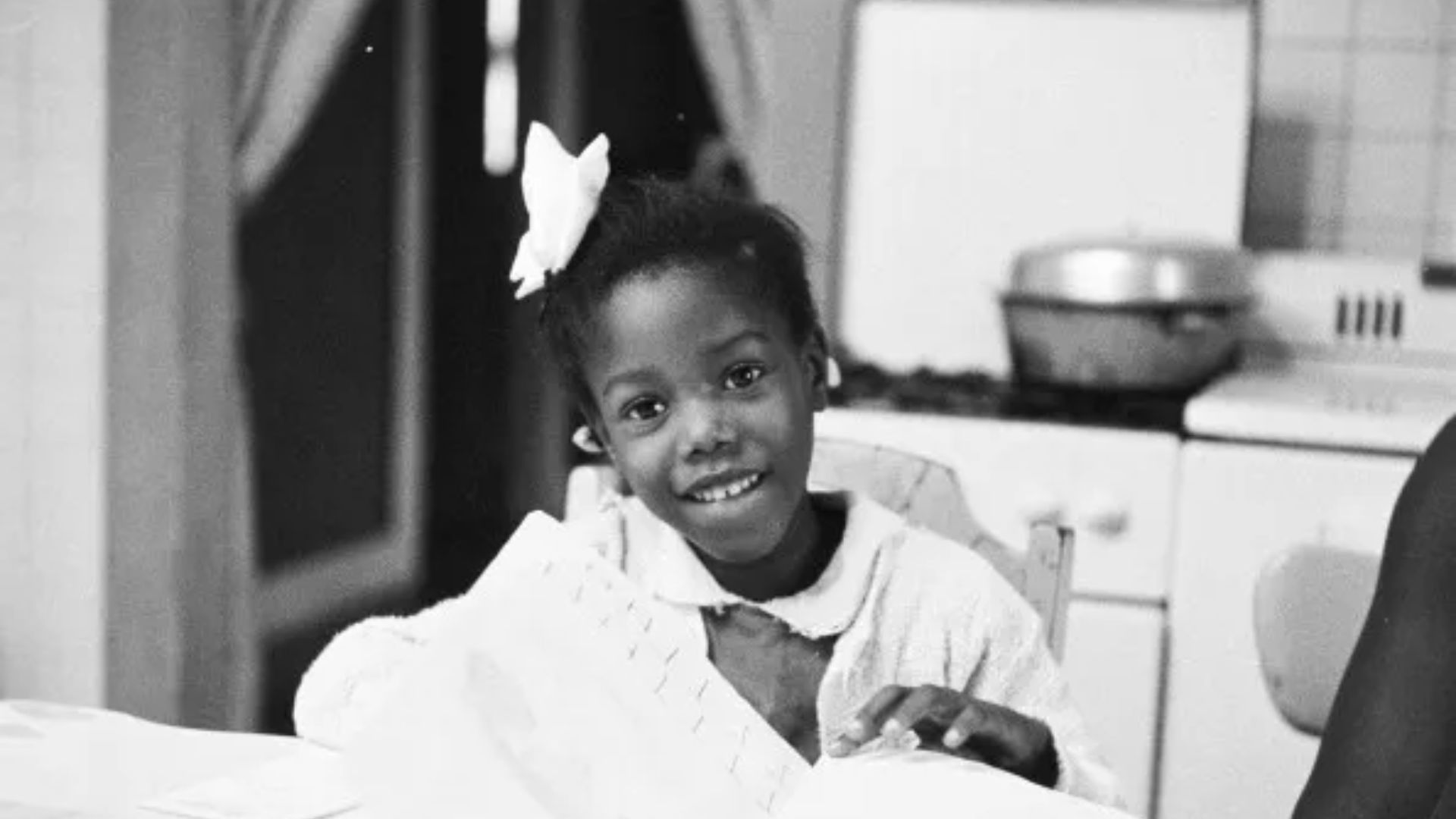
Ruby Bridges was just six years old when she became the first Black child to integrate an all-white elementary school in the South in 1960.
She walked through angry crowds with courage and continued going to school even when she was the only student in her class. Ruby showed that even kids can be heroes.
5. Amanda Gorman

Amanda Gorman is a modern example of Black excellence. She became the youngest inaugural poet in U.S. history when she recited her poem “The Hill We Climb” at President Biden’s inauguration in 2021.
Amanda shows kids today that young voices matter and that poetry and words can inspire change.
How to Talk About Black History With Kids (Age-Based Tips)
Talking about Black history with children doesn’t have to feel difficult or uncomfortable when you match the conversation to their age and understanding.
- Ages 3-5: Use simple picture books with diverse characters and talk about kindness and fairness. Focus on celebrating differences and explaining that all skin colors are beautiful. Keep conversations short and positive, and answer their questions honestly while remaining age-appropriate.
- Ages 6-8: Introduce basic stories about heroes like Ruby Bridges or Martin Luther King Jr. Explain that some rules in the past were unfair, but brave people worked to change them. Encourage questions and use everyday examples to explain concepts like fairness and equality.
- Ages 9-12: Kids this age can handle more complex topics like segregation, slavery, and civil rights movements. Use books, videos, and museum visits to dive deeper. Encourage them to think critically about how history connects to today and what they can do to promote equality in their own communities.
- All ages: Listen to their questions without judgment, admit when you don’t know something and look up answers together, and focus on hope and progress alongside the hard truths. Remind kids that learning about history helps us build a better future.
Final Thoughts
You’ve got everything you need to make Black History Month meaningful for the kids in your life.
The stories you share, the activities you try, and the conversations you start this February can plant seeds of understanding that grow all year long.
Remember, you don’t have to be perfect or know all the answers. What matters is showing up with curiosity and care.
So pick one activity from this guide, grab a book, or start a conversation at dinner tonight. Your effort makes a real difference.
Ready to get started? Choose one thing you’ll do this week to celebrate Black history with your kids.
Let’s make this February one they’ll remember!


