Easy Healthy Habits for Kids Every Parent Should Know
Your child just asked for their third snack in an hour, refused to go outside, and it’s only 10 AM. Sound familiar?
Here’s the truth: building healthy habits for kids doesn’t require a complete household makeover or a degree in nutrition.
It’s actually much simpler than that. Small, consistent actions create lasting change.
The bedtime routine you start tonight, the water bottle you pack tomorrow, the 20-minute walk after dinner. These tiny choices add up.
And when kids learn these patterns early, they carry them into adulthood. You’re not just managing today.
You’re shaping their future health, one habit at a time.
Why Healthy Habits Matter in Childhood?
The habits your child builds now shape their future in real ways.
- Brain development gets a boost: Nutrition, sleep, and movement all support how kids think, learn, and remember. A well-rested child with balanced meals focuses better in school.
- Their immune system grows stronger: Good hygiene, proper sleep, and nutritious food help kids fight off illnesses and bounce back faster when they do get sick.
- Emotional regulation improves: Kids who move their bodies, get enough sleep, and eat well handle big feelings better. They’re more confident and resilient.
- Obesity risk goes down: Childhood obesity rates have tripled since the 1970s. Building healthy eating and activity habits early helps kids naturally maintain a healthy weight.
- They build a foundation for life: Habits formed in childhood often carry into adulthood. Teach your child to care for their body now, and they’ll benefit for years to come.
11 Healthy Habits for Kids to Practice Every Day
Let’s break down practical habits you can start building today. No fancy equipment needed. No expensive programs. Just simple, actionable steps that fit into your real life.
1. Eat a Balanced Breakfast
Morning fuel matters more than you think. A good breakfast kickstarts metabolism, stabilizes blood sugar, and helps kids concentrate through their morning classes. Protein and fiber keep them full longer, while whole foods provide steady energy without the sugar crash.
What to include:
- Protein: eggs, Greek yogurt, nut butter
- Fiber: oatmeal, whole grain toast, berries
- Whole foods over processed options
Skip the sugar bombs: Sugary cereals and pastries cause energy crashes by mid-morning. Save those for occasional treats.
2. Drink Enough Water
Most kids walk around mildly dehydrated without realizing it. Water supports every body function, from concentration to digestion.
Yet between busy schedules and the temptation of sugary drinks, plain water often gets forgotten. Teaching kids to hydrate properly is simpler than it sounds.
Daily water needs:
- Ages 4-8: about 5 cups
- Ages 9-13: 7-8 cups
- Ages 14+: 8-11 cups
Dehydration signs: dark urine, dry lips, fatigue, headaches. Keep a reusable water bottle at school, add fruit slices for flavor, drink water with every meal.
3. Eat Fruits and Vegetables Daily
Yes, getting kids to eat veggies is tough. But colorful produce delivers vitamins, minerals, and fiber that growing bodies desperately need.
Different colors provide different nutrients, so variety truly matters. The good news? You don’t need perfection, just consistency.
Simple ways to increase intake:
- Add berries to breakfast cereal or yogurt
- Pack veggie sticks with hummus for snacks
- Blend spinach into fruit smoothies (they won’t taste it)
- Let kids pick one new produce item at the store
- Create “rainbow plate” challenges at dinner
4. Get at Least 60 Minutes of Physical Activity
The CDC recommends an hour of daily movement for kids, but that doesn’t mean structured gym time. Active play counts.
Dancing in the living room counts. Walking the dog counts. Movement strengthens bones, improves mood, supports a healthy weight, and helps kids sleep better.
Movement ideas:
- Walk or bike to school
- Play tag during recess
- Dance to favorite songs at home
- Family weekend hikes
- Swimming, soccer, martial arts
- Indoor obstacle courses on rainy days
The key is making it fun, not forced.
5. Get Enough Sleep
Sleep isn’t just rest. It’s when kids grow, when their brains process what they learned, and when their immune systems recharge.
Consistent, quality sleep improves behavior, academic performance, emotional regulation, and physical health. Yet many kids aren’t getting nearly enough.
Sleep needs by age:
- Ages 3-5: 10-13 hours
- Ages 6-12: 9-12 hours
- Ages 13-18: 8-10 hours
Build better sleep habits: Same bedtime every night, calming pre-bed routine, screen-free bedroom, dim lights an hour before bed.
6. Practice Good Hygiene
Teaching kids to care for their bodies prevents illness and builds self-respect. These habits seem basic, but they’re foundational to health.
Plus, learning proper hygiene now means kids carry these practices into adulthood without thinking twice about them.
Key hygiene habits:
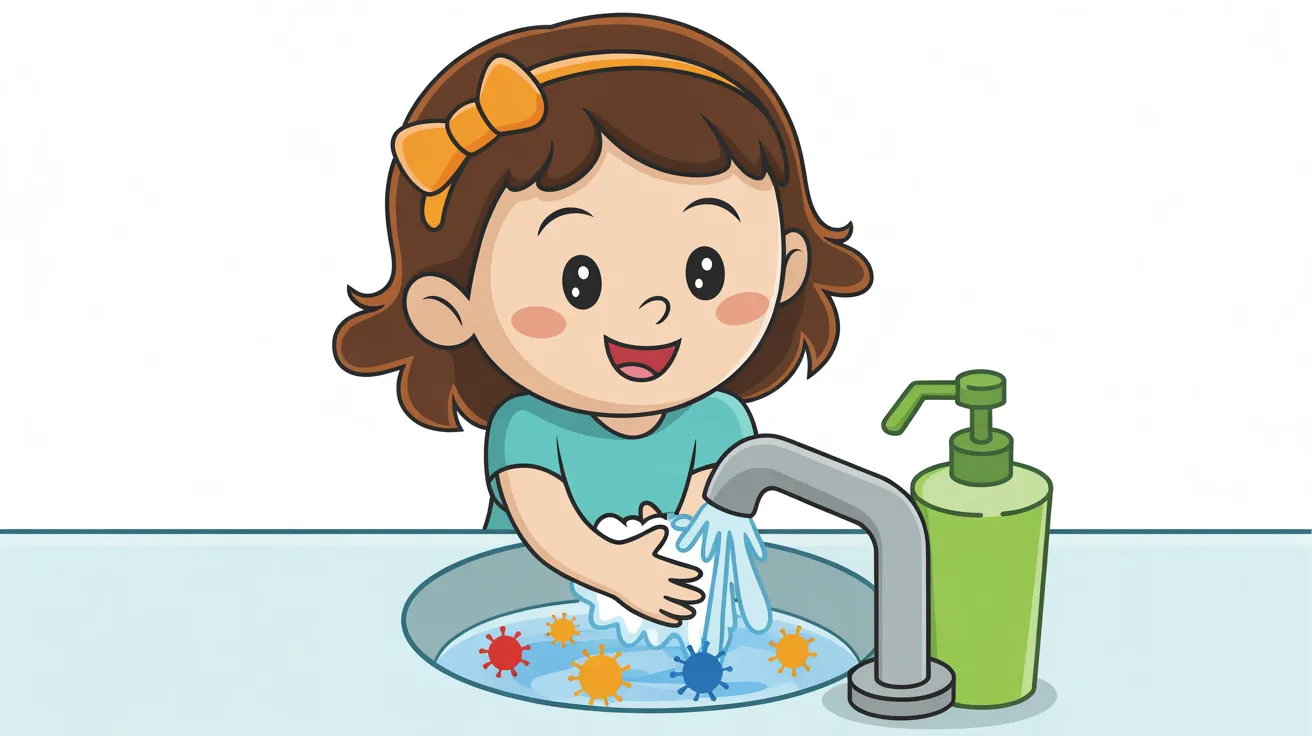
- Handwashing: 20 seconds with soap, between fingers and under nails, before meals and after bathrooms
- Dental care: Brush twice daily, floss nightly, regular dental checkups
- Bathing: Regular baths or showers, clean clothes daily, trimmed nails
7. Limit Screen Time
Screens aren’t the enemy, but balance matters. Too much screen time replaces physical activity, disrupts sleep, and reduces face-to-face social interaction.
Kids need limits, not lectures. When you provide structure around screens, you create space for healthier activities to naturally fill their time.
American Academy of Pediatrics guidelines:
- Ages 2-5: max 1 hour daily
- Ages 6+: consistent limits set by parents
Healthier alternatives: Outdoor play, board games, art projects, building toys, reading, cooking together. When kids complain of boredom, resist handing over a device. Boredom sparks creativity.
8. Manage Big Emotions
Kids feel everything intensely but lack the tools to process those feelings. Anger, frustration, disappointment, and anxiety can feel overwhelming.
Teaching emotional regulation isn’t optional. It’s a critical life skill that affects relationships, school performance, and mental health throughout one’s life.
Coping skills to practice:
- Name the emotion out loud (“I feel frustrated”)
- Deep belly breathing (count to five)
- Use a calm-down corner with soft items
- Draw or journal about feelings
- Move their body to release energy
Your role matters: Kids learn by watching how you handle stress and disappointment. Model healthy emotional responses.
9. Read Every Day
Reading does more than build vocabulary. It improves focus, expands imagination, reduces stress, and creates precious bonding time when you read together.
Even 15 minutes daily makes a measurable difference in literacy, concentration, and academic success. Plus, it’s screen-free and calming.
Reading benefits:
- Improves concentration and attention span
- Expands vocabulary and comprehension
- Strengthens parent-child connection
- Provides calm, screen-free wind-down time
Make it routine: Set aside 15-20 minutes before bed. Let kids choose their books, even if they want the same one repeatedly.
10. Practice Kindness and Gratitude
Social and emotional health deserves as much attention as physical health. When kids regularly practice kindness and gratitude, they develop empathy, build stronger friendships, handle setbacks better, and feel more content with their lives.
These aren’t just nice ideas. They’re protective factors for mental health.
Ways to build these habits:
- Share one thing you’re grateful for at dinner
- Write thank-you notes together
- Acknowledge people who help them
- Practice random acts of kindness
- Notice when others are kind
Why it matters: Kindness builds empathy and stronger relationships. Gratitude shifts perspective toward positivity.
11. Follow a Consistent Daily Routine
Kids thrive on predictability. When they know what comes next, they feel safer and less anxious. Consistent routines reduce power struggles, smooth transitions, and help kids develop time management skills.
Structure provides security while allowing flexibility for spontaneous fun.
Create a helpful structure:
- Morning routine: Same wake time, breakfast, getting dressed sequence
- After school: Snack, homework, free play pattern
- Evening routine: Dinner, bath, reading, bedtime at consistent times
Balance matters: Routines provide framework, but leave room for spontaneity and fun. Find what works for your family.
Conclusion
Look, you’re not going to nail all habits by next week. And that’s completely fine. Real change happens gradually, not overnight. So here’s what you do: pick just one habit from this list.
Maybe it’s adding fruit to breakfast or setting a consistent bedtime. Start there. Stick with it for two weeks. Once it feels natural, add another.
That’s it. No pressure, no guilt, just progress. Your kids are watching how you approach health and wellness.
Show them it’s not about being perfect. It’s about showing up and trying. Ready to choose your first habit?
Start tomorrow morning. You’ve got this.