Why Digital Signage Is Becoming Essential for Smart Environments
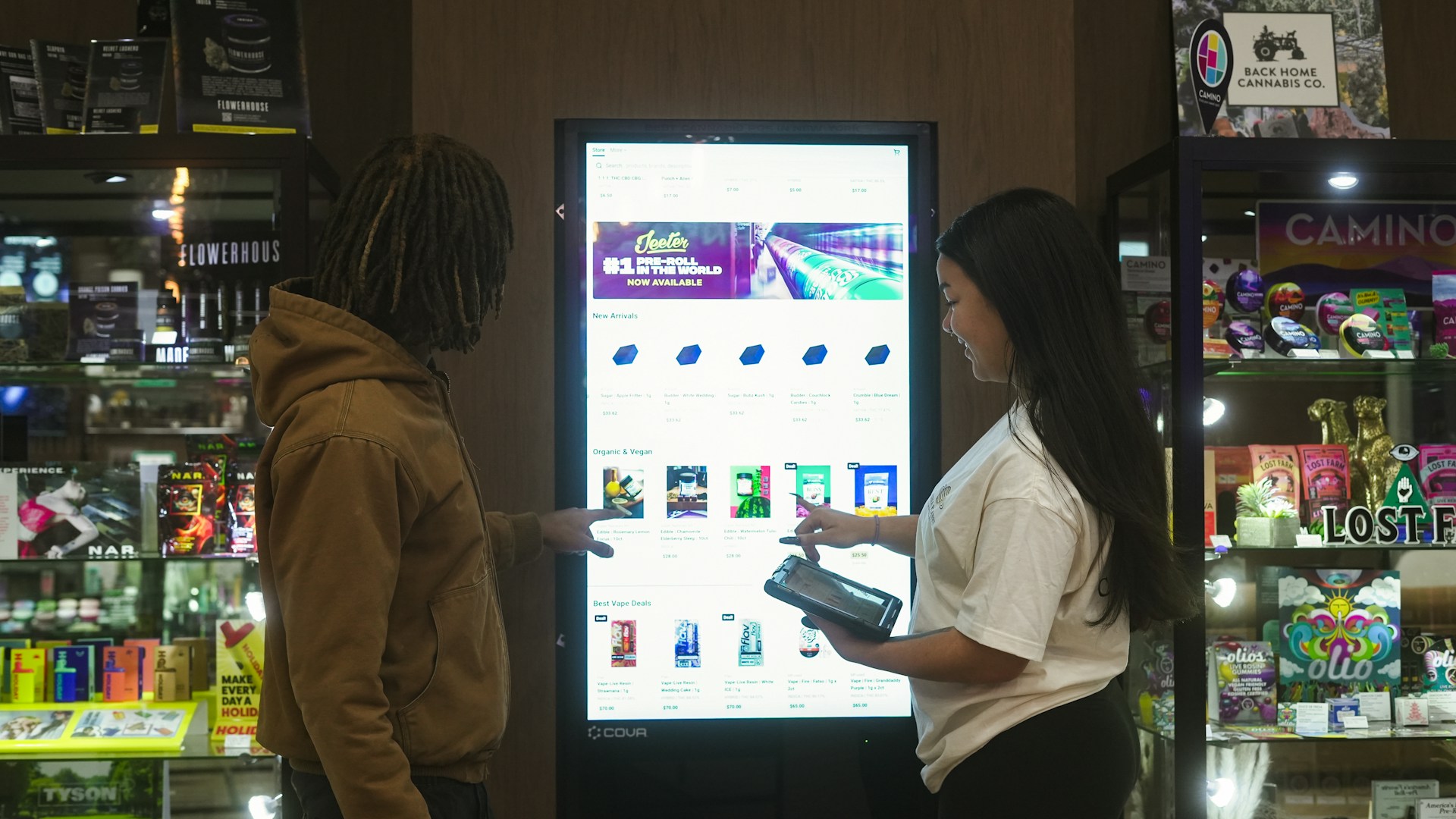
As workplaces, cities, campuses, and public spaces become more connected, communication inside these environments must evolve as well. Smart environments rely on real-time data, automation, and connected devices to improve efficiency and user experience.
One technology increasingly at the center of these systems is digital signage. Instead of static posters or manual updates, digital displays allow organizations to deliver dynamic information, alerts, and guidance in real time.
A modern digital signage platform provides centralized content management, remote screen control, and the ability to distribute messages across multiple displays instantly. In smart environments where conditions change quickly—such as office buildings, hospitals, airports, or city infrastructure—this ability to communicate immediately and visually has become a key operational advantage.
Digital Signage as the Communication Layer of Smart Spaces
Smart environments depend on connected systems such as IoT sensors, building management platforms, and cloud services. However, collecting data is only part of the equation. That data must also be presented in a clear and accessible way. Digital signage fills this gap by acting as a visual interface between complex systems and the people who use the space.
Modern digital signage systems can integrate with real-time data sources and deliver updates instantly across networks of displays. This allows organizations to communicate operational updates, environmental conditions, or safety alerts quickly and effectively.
For example, in smart buildings, digital displays can show occupancy levels, environmental conditions, or space availability, helping occupants make better decisions while enabling facility managers to optimize resources.
Real-Time Communication in Dynamic Environments
One of the biggest advantages of digital signage is its ability to deliver information instantly. Traditional printed signs cannot keep up with rapidly changing environments, but digital displays can update content remotely in seconds.
In workplaces, digital signage can show meeting room availability, internal announcements, or visitor information. In transportation hubs, screens can display schedules, delays, and navigation instructions. In public spaces, they can share weather alerts, event announcements, and safety messages.
Because digital signage platforms allow centralized management, organizations can update content across multiple locations simultaneously, ensuring consistent communication even in large distributed environments.
Enhancing Navigation and Wayfinding

Another important role of digital signage in smart environments is improving navigation. Large campuses, airports, hospitals, and office complexes can be confusing for visitors and new users.
Interactive digital displays provide maps, directories, and wayfinding guidance that help people find their destination more quickly. Wayfinding systems are increasingly designed using research on how people interpret symbols, spatial information, and directions in complex environments.
By guiding visitors efficiently, digital signage reduces confusion, saves time, and improves the overall user experience in complex facilities.
Improving Engagement and Information Visibility
Modern environments are full of competing information channels, from mobile notifications to email and social media. Digital signage stands out because it communicates visually in shared physical spaces where people naturally look.
Studies and industry analyses show that dynamic displays attract significantly more attention than static signage, making them more effective for delivering important messages.
Organizations use digital signage to share announcements, highlight services, promote events, and reinforce branding. In smart environments, this visibility helps ensure that critical information is not missed.
Integration with Smart City Infrastructure
Digital signage also plays a growing role in smart city development. Cities are using networked displays to improve communication with residents and visitors, providing real-time updates about transportation, traffic, weather, and public services.
In smart city planning, digital signage networks help make information more accessible and organized while supporting public engagement and safety messaging.
For example, interactive kiosks in public spaces can offer maps, tourist information, and local event details. In emergencies, digital signage can broadcast alerts across large areas quickly, ensuring the public receives timely instructions.
Personalization and Context-Aware Messaging
Smart environments increasingly rely on contextual communication—delivering the right message at the right place and time. Digital signage platforms enable this by scheduling content, targeting specific locations, and integrating with data sources such as sensors or analytics systems.
This allows organizations to tailor information for different audiences. A corporate display might show internal performance metrics during work hours and company announcements later in the day. A retail screen may adjust promotions based on customer traffic patterns. This level of contextual messaging helps ensure information remains relevant rather than becoming background noise.
Operational Efficiency and Cost Reduction

Beyond communication benefits, digital signage helps organizations operate more efficiently. Because displays are controlled through centralized platforms, staff can manage content remotely without manually updating physical signs.
This reduces printing costs, eliminates outdated materials, and allows organizations to react quickly to operational changes. For large institutions or multi-site organizations, centralized control also ensures consistency in messaging and branding across locations.
Supporting Data-Driven Smart Environments
Smart environments rely on data to function effectively. Digital signage contributes to this ecosystem not only by displaying information but also by collecting insights about audience behavior.
Some systems incorporate analytics tools that track viewer engagement, helping organizations understand which messages are most effective. These insights allow managers to optimize content strategies and improve communication over time.
The Future of Digital Signage in Smart Environments
As technologies such as artificial intelligence, IoT, and 5G connectivity continue to advance, digital signage will become even more integrated into smart environments. Displays may automatically adapt content based on environmental conditions, crowd patterns, or user interactions.
Future systems could combine digital signage with interactive technologies such as augmented reality, touchscreens, and mobile integration, turning displays into interactive service points rather than passive screens.
Conclusion
Digital signage is rapidly becoming an essential component of smart environments because it connects digital infrastructure with human communication. By delivering real-time updates, supporting wayfinding, improving engagement, and integrating with IoT systems, digital displays help make complex environments more responsive and user-friendly.
Organizations adopting a modern digital signage platform gain the ability to communicate instantly, adapt to changing conditions, and present information where it matters most. As smart environments continue to evolve, digital signage will play an increasingly important role in shaping how people interact with the spaces around them.