Planning a Home That Supports Independence for Every Family Member

Creating a home that encourages independence starts with balancing accessibility, functionality, and safety. By considering the needs of each family member, you can create a space that supports daily living while building confidence and self-reliance.
Adaptable furniture, smart home technology, and well-planned shared spaces can all make a big difference. Features like adjustable countertops, voice-controlled devices, and multipurpose rooms help everyone move, interact, and relax more comfortably.
Designing Accessible Living Spaces
Creating accessible living spaces ensures that every family member can move around comfortably and independently. This involves optimizing movement, adjusting doorways for easier access, and selecting practical furniture.
Maximizing Ease of Movement
To enhance freedom of movement, consider the layout and available space in each room. Remove unnecessary obstacles to create clear pathways that accommodate different mobility needs and essential mobility aids. Wide hallways and open floor plans provide ample space for wheelchairs, mobility scooters, and other supportive equipment. Installing slip-resistant flooring can significantly reduce the risk of falls. You might also integrate smart home technology, like automated lighting and voice-activated devices, to simplify daily tasks. If you’re considering mobility assistance, mobility scooters are an excellent option and can support both indoor and outdoor mobility.
Adapting Entrances and Doorways
Adaptive entrances and doorways are crucial for accessibility. Installing ramps or lifts at entrances is a fundamental step for wheelchair users. Make sure exterior paths are smooth and well-lit, which enhances safety and ease of use. Widening doorways to at least 32 inches can significantly improve access between rooms. Lever handles replace traditional door knobs, providing easier operation without twisting or gripping. Automatic doors or those with high-tech locking systems can also enhance security and accessibility.
Choosing Functional Furnishings
Functional furnishings transform a house into a truly accessible home. A Cambridge design approach can help balance practicality, comfort, and accessibility when selecting furniture that caters to varying needs. Height-adjustable tables and chairs offer flexibility to support multiple users. Ensure that seating is stable and easy to rise from, especially for those who need assistance. The arrangement of furniture should avoid clutter, creating direct pathways to key areas like kitchens and bathrooms. Additionally, focus on selecting lightweight and easy-to-move items, allowing everyone to personalize spaces as needed without struggle.
Supporting Daily Routines for All Ages

Ensuring that a home accommodates the daily routines of all family members involves thoughtful design and planning. This includes creating spaces that adapt to various needs, encouraging independence in children, and making common areas like kitchens safe and accessible.
Creating Flexible Family Areas
Flexibility is key when designing family spaces that cater to diverse ages and activities. Consider multipurpose furniture like sofas that turn into beds or tables with adjustable heights. These items allow spaces to transition seamlessly from play to rest or work, accommodating everyone’s needs.
Open layouts help, too. They allow for communication across rooms and provide ample space for different activities to take place simultaneously. Portable dividers can offer privacy when needed, without a permanent commitment to walls. Staying flexible helps to adapt spaces as your family grows and needs change.
Encouraging Independence for Kids
Setting up environments that foster autonomy for children involves both safety and accessibility. Start with low shelving and easily reachable storage so they can access their toys and books without needing assistance. This encourages self-directed play and learning.
Incorporate visual aids like pictures or labels on boxes to help children organize their spaces. Empowering them with simple household tasks like sorting laundry or setting the table can build confidence and life skills. It’s all about creating an atmosphere where they feel capable and responsible.
Safe and Simple Kitchen Solutions
The kitchen is often the heart of family life, so making it functional for all ages is vital. Lowering a section of the countertop can enable children to help with meal prep safely. Use drawers instead of cabinets for easier access to utensils and dishes, reducing the chance of accidents.
Keep frequently used items such as snacks and cups in accessible locations. Child-proof tricky areas with corner protectors and safety latches to ensure safety while still encouraging kids to partake in kitchen activities. A few smart adjustments can make the kitchen inviting and secure for everyone.
Integrating Smart Home Technology
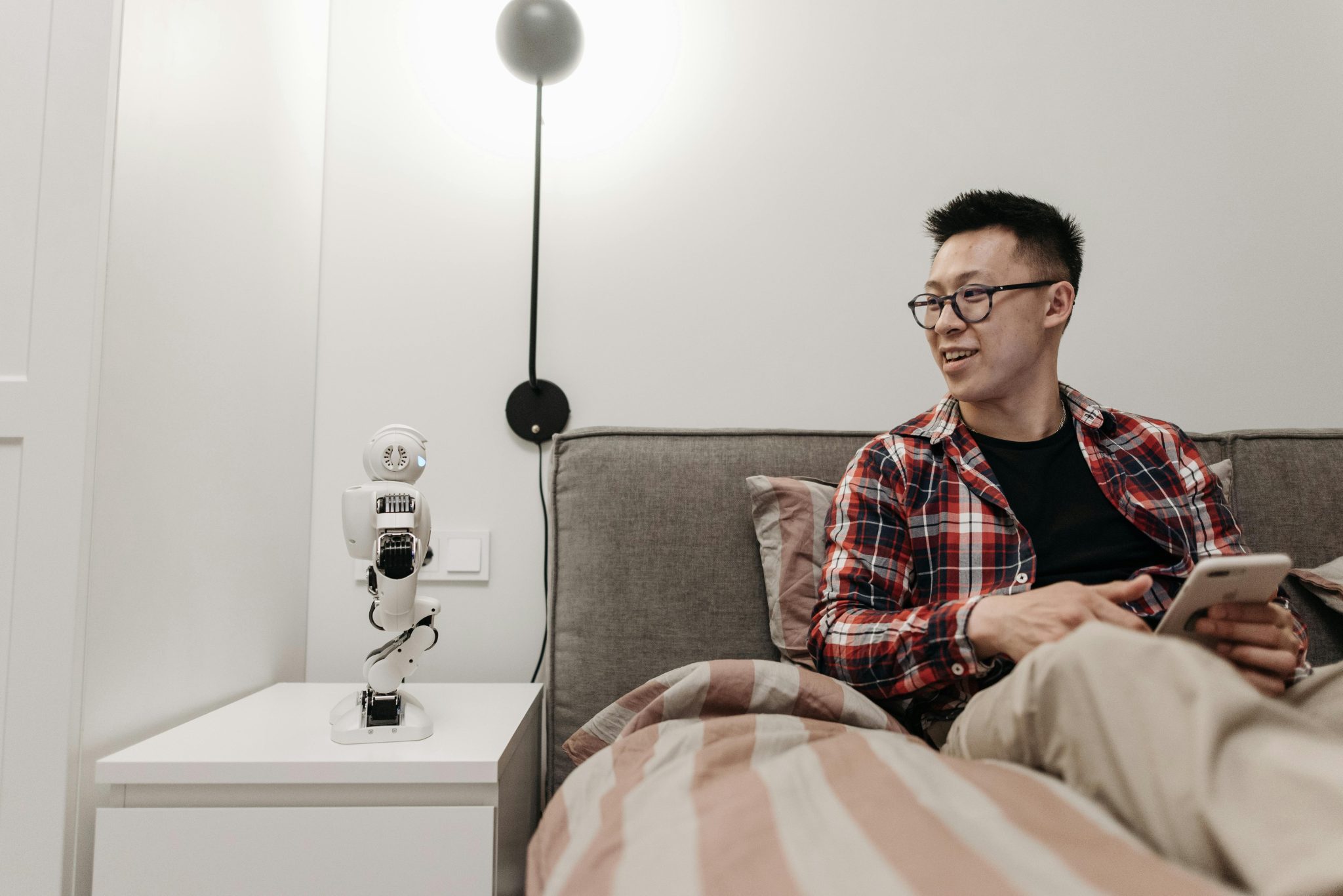
Smart home technology offers solutions that can make daily life easier and safer for everyone in your household. By automating mundane tasks and incorporating safety devices, you can enhance independence for each family member.
Automating Everyday Tasks
Imagine your morning starting without lifting a finger. Smart home systems can schedule lights to turn on, adjust thermostats for optimal comfort, and even start your coffee maker. These automated tasks save you time and make your routine seamless. Voice activation devices like smart speakers allow you to manage these systems with simple commands. For those with limited mobility, this technology provides a level of control that might otherwise be challenging to achieve.
Smart appliances further transform household management by offering features like remote control via smartphones. You can preheat your oven on your way home or start a load of laundry from anywhere. Automation not only adds convenience but also supports independence by reducing the physical effort needed for daily chores.
Enhancing Safety with Smart Devices
Safety is paramount, and smart devices can play an essential role here. Smart locks offer keyless entry, ensuring that you always know who is entering your home. This feature is especially useful for families with children or elderly members, providing peace of mind through security alerts and custom user codes.
Moreover, smart security cameras and sensors monitor your home in real time. Connected smoke and carbon monoxide detectors promptly alert you to danger, whether you’re home or away. This instant notification system can be a lifesaver, reducing response time in emergencies.
Safety enhancements through technology not only protect your family but also enable more freedom, knowing that support is just a tap away if needed.
Fostering a Sense of Belonging

Creating a home that nurtures independence involves balancing the need for private retreats with spaces that encourage togetherness. Tailoring both private and communal areas ensures each family member feels valued and connected.
Private Spaces for Individual Needs
Private spaces provide refuge and personal expression, crucial for each family member’s sense of autonomy. Tailor areas to individual preferences, such as a reading nook for book lovers or a hobby room for creatives. Privacy is key, ensuring these spaces offer a boundary from communal life, helping individuals recharge and reflect.
Consider aspects like soundproofing to support concentration and relaxation. Use versatile furniture, like foldable desks or modular storage, to maximize utility in small spaces. A personalized bedroom with favorite colors and decor instills a sense of ownership, laying the groundwork for personal growth and comfort.
Gathering Areas that Bring Everyone Together
Communal areas should be warm, inviting spaces where the family comes together to share moments. A thoughtfully designed living room, for instance, can become a hub of activity with comfortable seating, adaptable for various group sizes. Open kitchens further foster interaction, making cooking a shared experience.
Incorporate multifunctional furniture to accommodate different activities, like game nights or movie marathons. Maintain a balance between style and comfort—cozy pillows and throws can make spaces feel homely and friendly. Consider lighting arrangements that can be adjusted for different moods, reinforcing the area’s versatility.
Creating a Home that Works for Everyone
A home that supports independence does not need to feel clinical or complicated. By combining accessible layouts, flexible furniture, smart technology, and thoughtful shared spaces, families can create an environment where every person feels safer, more capable, and more comfortable in daily life.