
What Makes a City Especially Accident Prone?
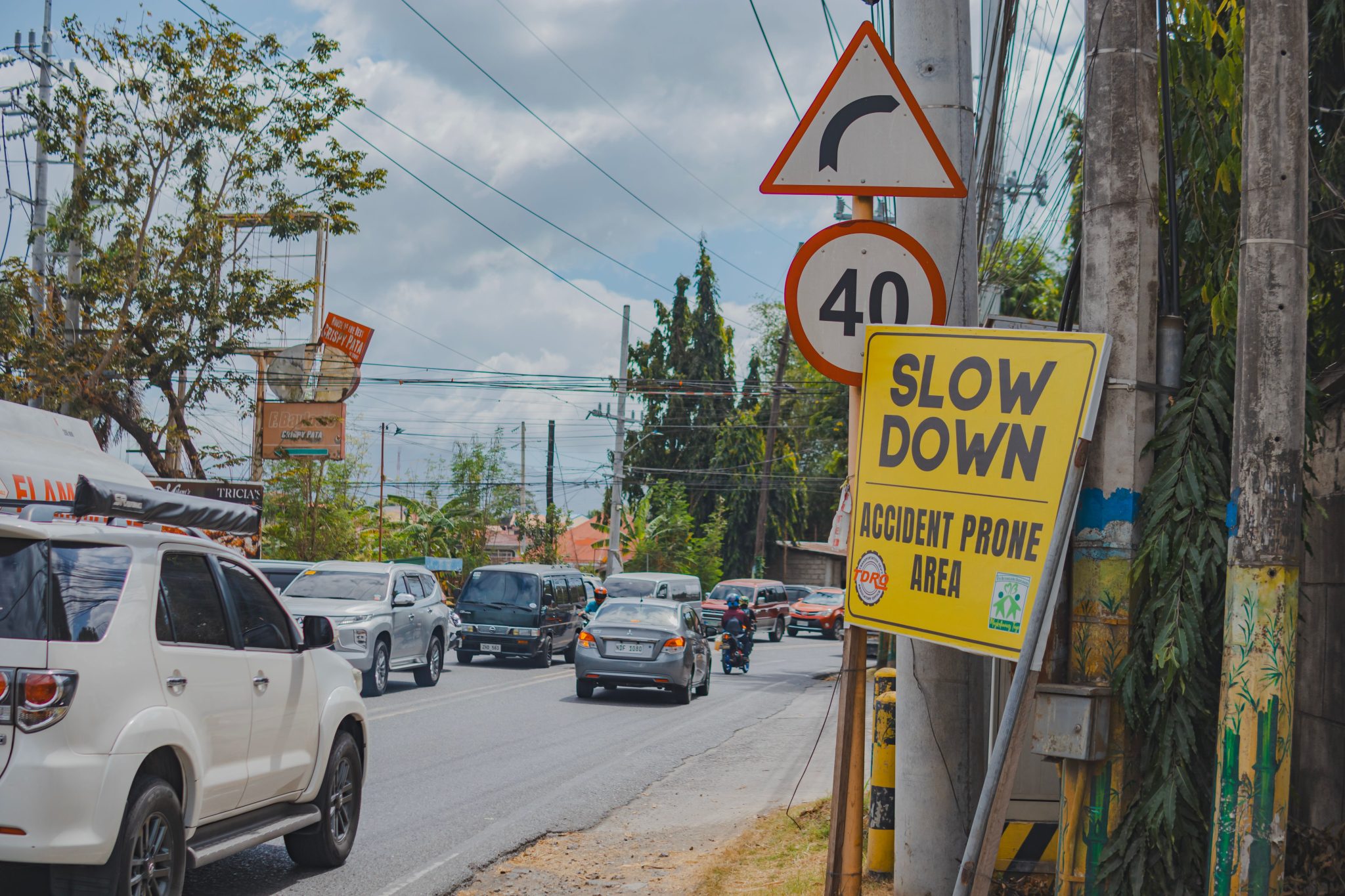
Some cities are safer than others, even when it comes to basic traffic patterns. Across the country, many cities offer surprisingly safe roadways – and others are downright dangerous.
But what is it that makes a city especially accident prone? And what can drivers in those cities do to minimize the risk of an accident?
A Blend of Factors
Every city has dangerous intersections, busy highways, and stretches of road that local drivers learn to approach with extra caution.
Yet some cities, like Arlington, VA, consistently report more traffic accidents than others, leading many people to wonder whether the drivers themselves are the problem or whether something larger is at work.
The answer is usually a combination of factors. Traffic accidents rarely happen because of a single cause. Instead, they tend to result from an interaction between road design, traffic volume, weather conditions, driver behavior, and the unique characteristics of a particular city.
Two communities with similar populations can have very different accident rates simply because they were built differently or experience different traffic patterns throughout the day.
Traffic Volume Changes Everything
The simplest explanation is often the most obvious: cities with more vehicles on the road generally experience more collisions. Every additional vehicle creates another opportunity for conflict.
Drivers merge, change lanes, stop unexpectedly, turn across traffic, and navigate crowded intersections. As traffic density increases, so does the number of decisions every driver must make in a relatively short period of time.
Rush hour provides a perfect example. Roads that feel comfortable at noon may become significantly more hazardous at 5:30 in the afternoon.
Drivers have less room to react, lane changes become more difficult, and even minor mistakes can trigger chain-reaction crashes. Heavy traffic does not guarantee accidents. It simply creates more opportunities for them.
Road Design Matters More Than Most People Realize
Some roads almost seem to invite confusion. Poorly marked intersections, short merge lanes, awkward left turns, blind curves, inconsistent speed limits, and complicated interchange designs can all increase the likelihood of crashes. Even experienced local drivers sometimes struggle with roads that require split-second decisions.
Urban planners and traffic engineers devote considerable attention to these issues because seemingly small design choices can influence safety for decades. A poorly timed traffic signal may encourage risky behavior.
An intersection with limited visibility may produce repeated crashes despite cautious drivers. A highway entrance with insufficient acceleration distance can make merging unnecessarily dangerous.
Population Growth Can Outpace Infrastructure
Many rapidly growing cities face another challenge. Road systems built to accommodate a certain population may eventually serve hundreds of thousands of additional residents.
What once functioned efficiently gradually becomes congested as neighborhoods expand and commercial development increases.
Infrastructure improvements often require years of planning, funding, and construction. Population growth, on the other hand, can occur much more quickly.
The result is predictable: roads become overcrowded, intersections experience heavier traffic than originally intended, and commuters spend more time navigating congestion.
Those conditions naturally increase the likelihood of collisions. Fast-growing communities frequently experience this balancing act as they work to keep transportation infrastructure aligned with rising demand.
Weather Can Dramatically Influence Accident Rates
Not every city faces the same environmental conditions. Northern communities may contend with snow, ice, and freezing rain for months each year.
Coastal cities deal with heavy rainfall, fog, or hurricanes. Desert regions face blowing dust and intense sun glare. Mountain communities encounter steep grades and rapidly changing weather.
Each condition presents its own challenges. Drivers who are comfortable on dry pavement may struggle during winter storms. Reduced visibility can shorten reaction times. Wet roads increase stopping distances. Strong winds may affect larger vehicles.
Interestingly, weather can also influence driver behavior. People often drive differently when they expect hazardous conditions, but unexpected weather changes sometimes catch motorists unprepared.
Even experienced drivers cannot completely eliminate the risks associated with difficult road conditions.
Distraction Has Become a Nationwide Problem
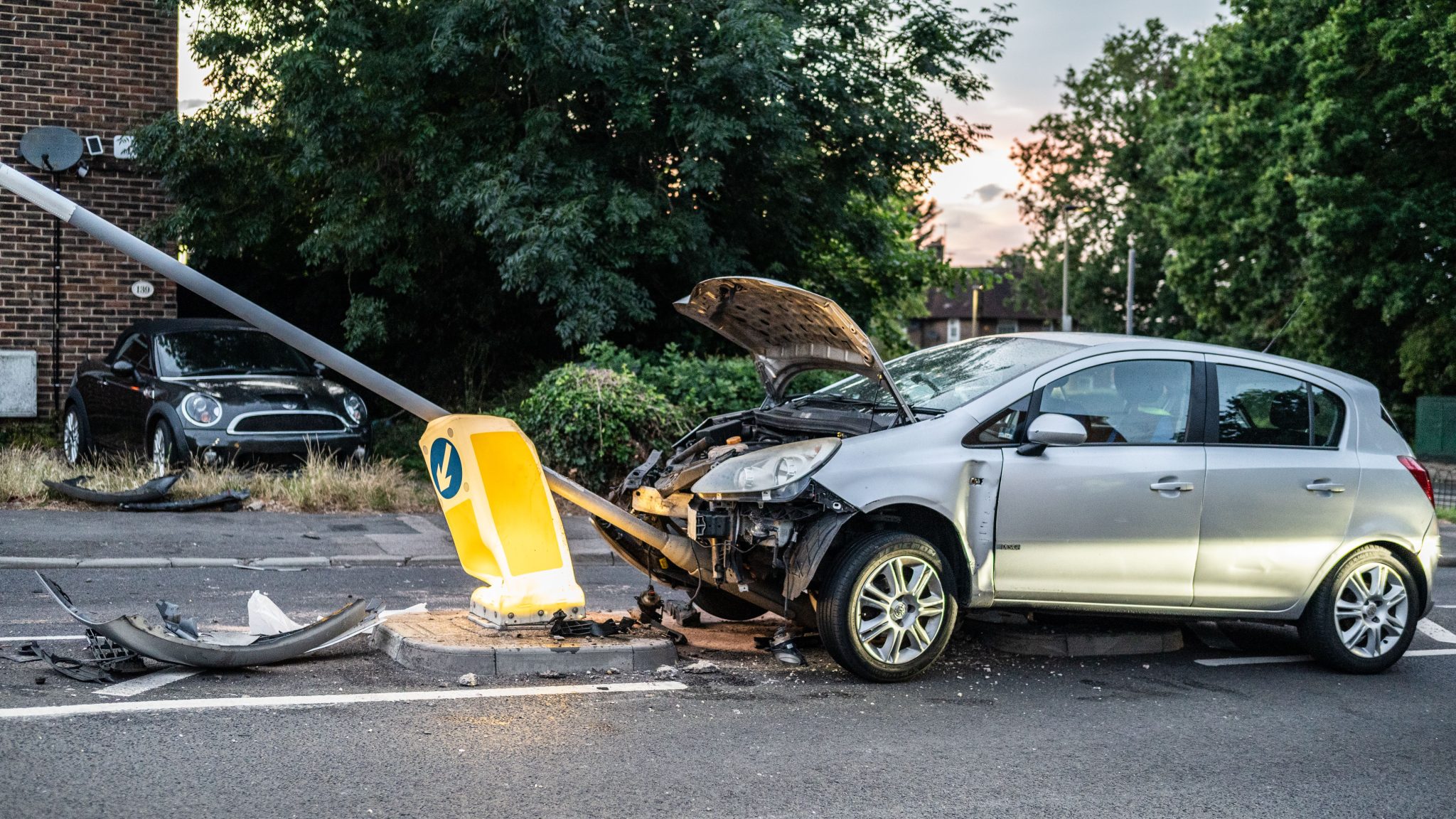
Regardless of location, distracted driving has become one of the defining traffic safety challenges of the modern era. Smartphones receive much of the attention, but distractions take many forms.
Navigation systems, passengers, vehicle infotainment screens, food, pets, and even conversations can temporarily divert attention from the road.
In dense urban environments, these distractions become even more dangerous. A driver who glances away for only a few seconds may miss changing traffic signals, sudden braking, pedestrians entering crosswalks, or cyclists traveling alongside traffic. Cities with heavy congestion leave less room for error.
Safer Cities Require More Than Careful Drivers
The safest cities are rarely those that rely on one solution alone. Instead, they combine thoughtful road design, ongoing infrastructure improvements, effective traffic management, public education, and responsible driving habits.
As communities continue growing and transportation systems evolve, understanding what makes certain cities more accident prone can help planners, policymakers, and drivers work toward roads that are not only more efficient but also significantly safer for everyone who uses them.


