How Trenchless Pipe Replacement Services Prevent Foundation Damage
Discovering cracks along a basement wall or noticing your home’s doors begin to stick is often the first sign that something serious is happening beneath the surface. For homeowners, one of the most alarming causes of foundation movement is leaking or failing underground pipes.
Traditional pipe repairs can mean heavy machinery, extensive digging, and weeks of disruption—all of which put your foundation at further risk. Trenchless Pipe Replacement Services offer a targeted, non-invasive solution that repairs failing pipes without disturbing the soil supporting your home’s structure. By minimizing ground disruption and restoring pipe integrity, these modern services directly reduce the likelihood of costly foundation damage.
Traditional Pipe Repair Methods and Structural Risks
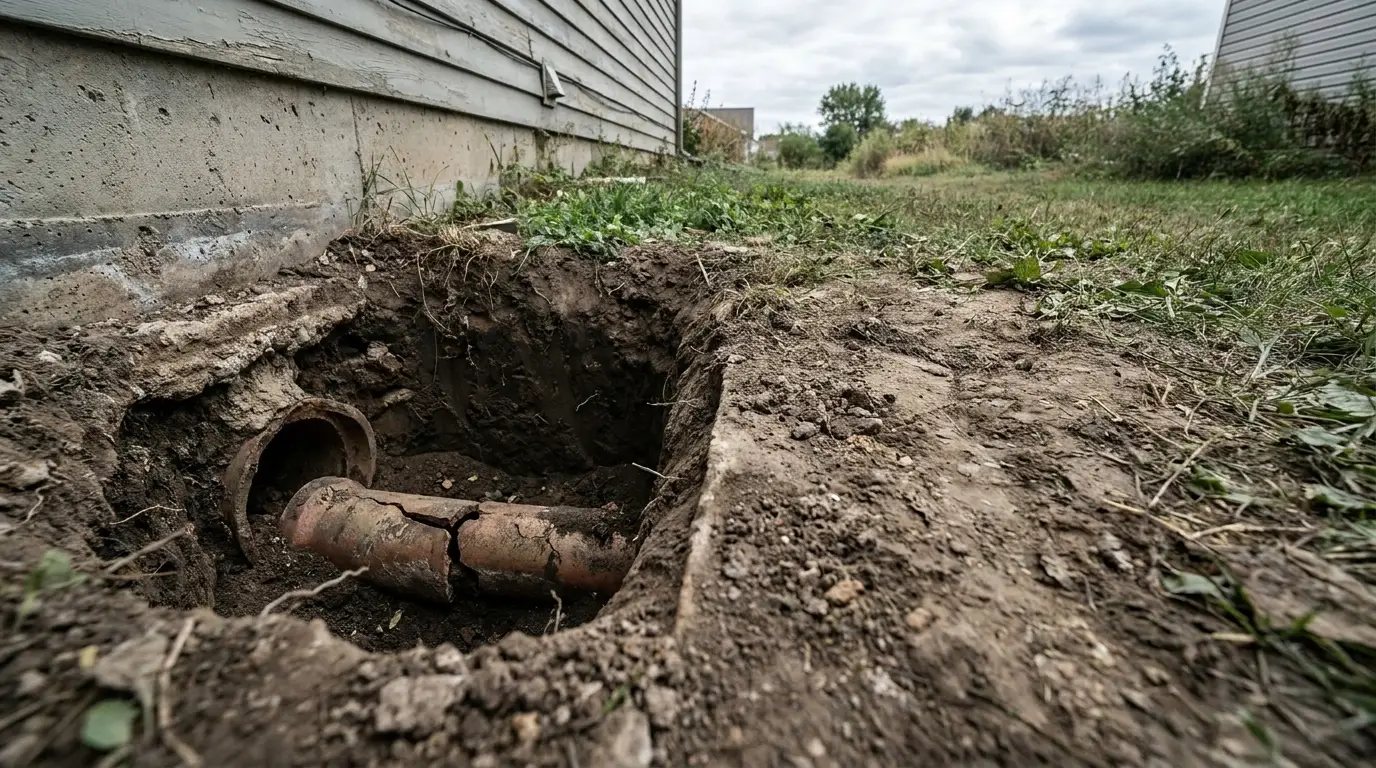
Conventional pipe repair typically involves large-scale excavation, where workers dig trenches to access and replace damaged sections of pipe. This process often means removing significant amounts of soil from beneath or near a home’s foundation.
When soil is excavated and then refilled, it rarely settles in the same way, leading to voids or uneven compaction that can destabilize the foundation above. In some cases, repeated digging can undermine the load-bearing capacity of the soil, making it more susceptible to shifting or settling over time.
The risk of accidental damage to foundation footings and nearby utility lines also increases when heavy equipment is used close to the house.
Most building codes and industry guidelines recommend minimizing excavation near foundation walls to avoid unintended structural consequences, as outlined in guidelines for excavation safety near residential foundations. These traditional methods, while effective for pipe access, expose homeowners to additional repair costs if foundation settlement occurs after plumbing work is completed.
Mechanisms of Trenchless Pipe Replacement Technology
Trenchless Pipe Replacement Services use advanced techniques that restore underground plumbing without the need for open trenches. Two of the most common methods are pipe bursting and pipe lining.
Pipe bursting involves inserting a new pipe through the old one, fracturing the damaged pipe outward with minimal surface disruption. Pipe lining, on the other hand, uses a flexible resin-coated liner inserted into the existing pipe, which then hardens to create a new, seamless interior surface.
Both methods require only small access points—typically at the pipe entry and exit—leaving the surrounding soil and landscaping intact. The process keeps the supporting earth around the foundation undisturbed, significantly reducing the risk of soil settlement or erosion.
By maintaining the original soil structure, trenchless solutions help preserve the load-bearing capacity that your foundation relies on.
Comparing trenchless versus traditional pipe repair methods highlights the reduced impact on a home’s structural integrity. This technology allows repairs in tight spaces and around existing structures without the high risk of destabilizing the ground.
Direct Correlation Between Subsurface Piping and Foundation Stability
The pipes running beneath and around a home play a crucial role in managing groundwater and waste flow. When these pipes develop leaks, water can saturate the soil near the foundation, causing it to swell, shift, or erode. Over time, this moisture imbalance often leads to foundation cracking or movement, especially in homes built on clay or expansive soils.
When you use professional Pipe Replacement Services that employ trenchless methods, you address leaks and failures quickly without exposing the foundation to further disturbance.
Correcting water intrusion at the source protects against cycles of soil expansion and contraction, which are a leading cause of structural problems in residential settings. This approach ensures that repairs reinforce—not compromise—the stability of your home’s foundation in the long run.
Homeowners who choose these modern repair options benefit from fewer callbacks for foundation issues and a more resilient property overall. This connection between subsurface plumbing solutions and foundation health is recognized by experts across the home improvement field.
Long Term Cost Advantages of Non Invasive Plumbing Solutions
While the initial price for trenchless Pipe Replacement Services may be comparable to traditional repairs, the long-term savings often far outweigh the upfront investment.
By avoiding major excavation, homeowners eliminate costs associated with repairing landscaping, driveways, and other hardscapes that can be damaged by digging. More importantly, the reduced risk of foundation damage means you are less likely to face expensive structural repairs in the years following plumbing work.
Non-invasive pipe replacement also typically results in faster project completion and less disruption to daily life. There are fewer delays caused by weather or unforeseen complications from large-scale digging.
Over time, these cumulative benefits mean a more predictable home maintenance budget and better resale value, since the foundation remains uncompromised by invasive repair methods.
For residential properties, choosing minimally disruptive plumbing techniques is a strategic move that safeguards both the home’s structure and the homeowner’s finances well into the future.
Conclusion
For homeowners facing underground plumbing issues, selecting a trenchless solution is a proactive way to prevent foundation damage while keeping your property intact.
Consult with a reputable plumbing service experienced in non-invasive repairs to determine if your situation qualifies for these advanced methods, and always confirm that any work performed preserves the integrity of your home’s foundation.