Baby Teeth Before Eruption: What’s Happening Under Those Gums
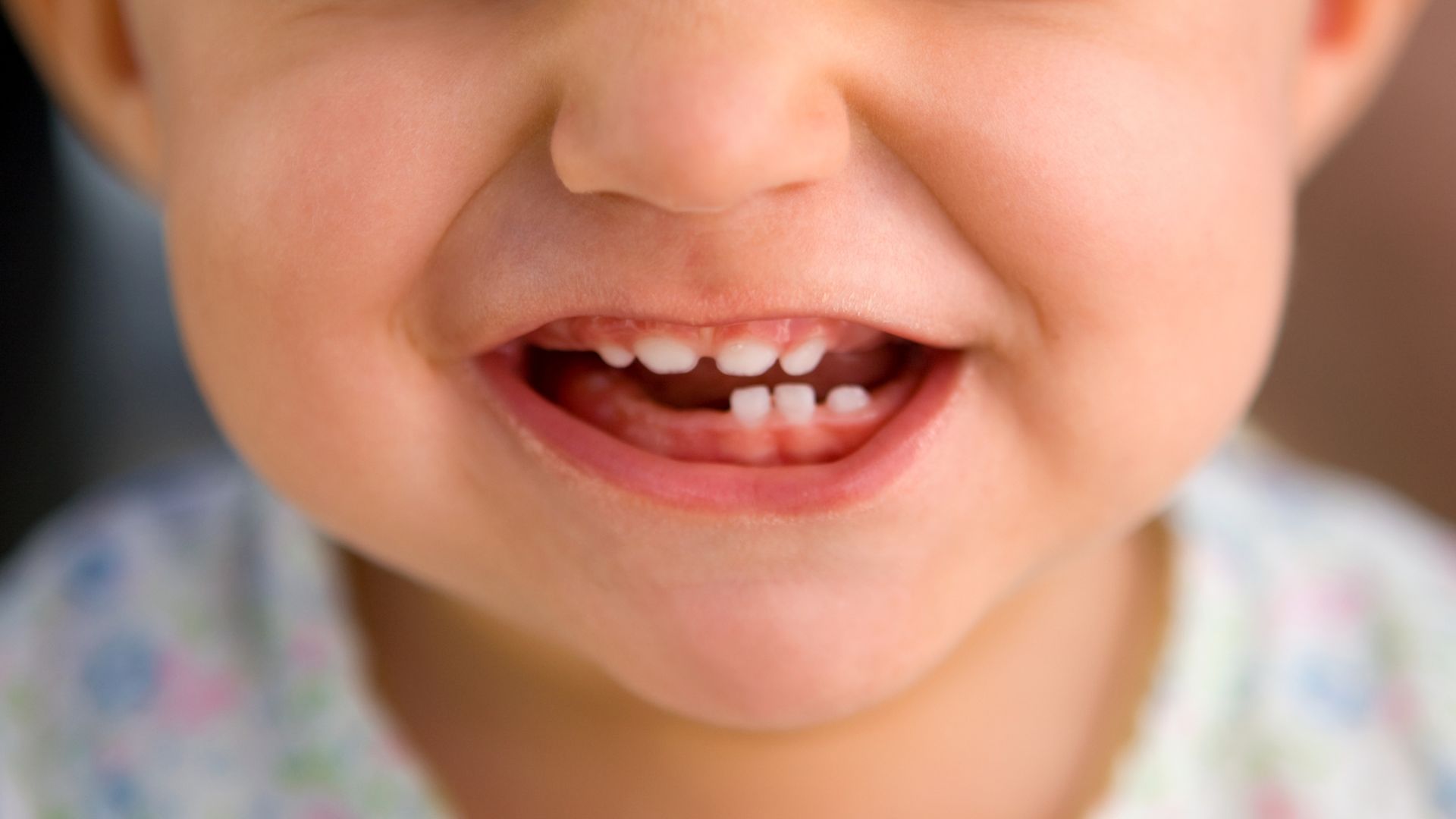
You might be surprised to learn that your baby’s teeth have been waiting in the wings since before they were even born.
That’s right, those tiny teeth are already formed and tucked away in the jawbone, just biding their time.
Long before you see that first white edge peeking through, there’s a whole process happening beneath your baby’s gums.
Understanding what goes on during this pre-eruption stage can help you recognize what’s normal, when your little one might need extra comfort, and how to support them through this milestone.
The journey from hidden tooth buds to that adorable first-tooth grin is fascinating, and knowing what to expect makes the experience less mysterious and more manageable for everyone involved.
What Happens Before Baby Teeth Erupt?
Baby teeth don’t just appear suddenly. They’ve been forming since before birth, tucked away in the jawbone. As eruption time approaches, these teeth begin their journey upward through the bone and gum tissue.
During this process, you might notice your baby’s gums looking different. They may appear swollen or feel firmer than usual. Sometimes you’ll see whitish areas where the tooth is pressing against the gum surface.
This movement can cause mild inflammation, which may make the gum tissue look a bit red or puffy around the eruption site.
The tooth movement under the gums typically begins a few weeks before you actually see the tooth break through.
Some babies experience noticeable discomfort during this time, while others seem hardly bothered at all.
The pressure from the tooth pushing through can cause tenderness, but it’s usually manageable with simple comfort measures.
Baby Teeth Eruption Timeline
Understanding when teeth typically appear can help you know what to expect, though remember that every baby develops at their own pace.
| Tooth Type | Upper Teeth | Lower Teeth |
|---|---|---|
| Central Incisors | 8-12 months | 6-10 months |
| Lateral Incisors | 9-13 months | 10-16 months |
| First Molars | 13-19 months | 14-18 months |
| Canines | 16-22 months | 17-23 months |
| Second Molars | 25-33 months | 23-31 months |
This timeline gives you a general roadmap, but there’s quite a bit of normal variation. Most babies will have all 20 primary teeth by their third birthday.
What Does It Mean if Teeth Come Early or Late?
Some babies are born with a tooth already visible, while others don’t see their first tooth until after their first birthday.
Both scenarios can be completely normal. Genetics plays a big role in timing. If you or your partner got teeth late, your baby might too.
Early teeth before four months are less common, but usually nothing to worry about.
Late teeth after 15 months with no signs of eruption might warrant a chat with your pediatrician or pediatric dentist, just to rule out any underlying issues. But in most cases, late bloomers simply catch up on their own schedule.
Signs of Baby Teeth Before Eruption
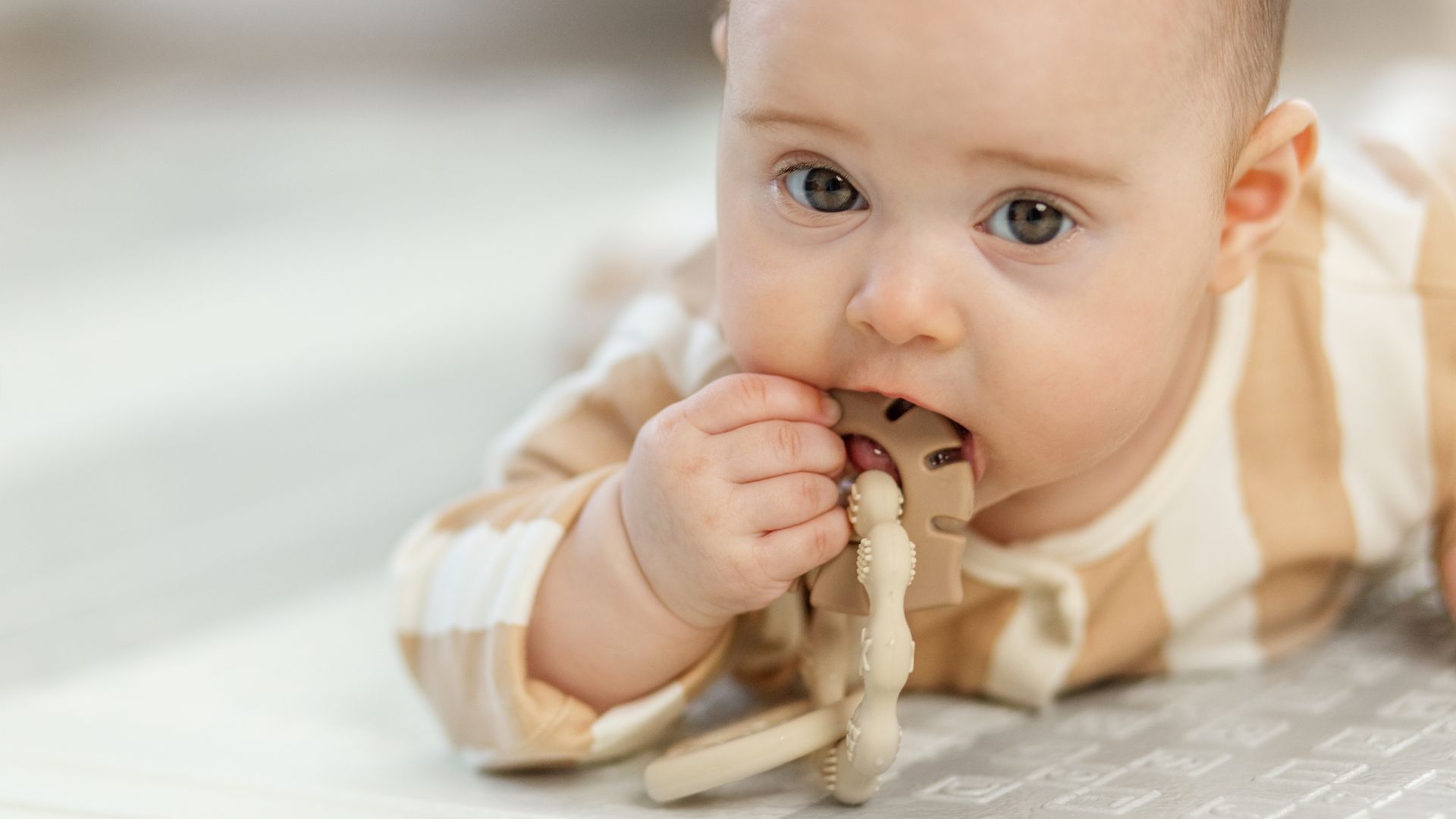
You’ll often notice changes in your baby’s behavior before you see any teeth. These signs indicate that tooth movement is occurring beneath the surface.
1. Drooling
Excessive drooling is one of the earliest indicators. Your baby’s mouth produces more saliva as teeth prepare to erupt, and since babies haven’t mastered swallowing control yet, all that drool ends up on their chin, clothes, and probably your shoulder, too.
2. Chewing and Biting
Babies instinctively want to apply counter-pressure to their gums when teeth are moving. You’ll notice them gnawing on fingers, toys, or anything they can get into their mouth. This pressure relieves the discomfort they’re feeling beneath.
3. Swollen or Sensitive Gums
The gum tissue becomes tender as the tooth pushes through. Your baby might pull away during feeding or react when you touch their gums.
The area where the tooth is emerging often looks slightly raised and may feel firmer than the surrounding tissue.
4. Fussiness and Sleep Changes
Teething discomfort can disrupt your baby’s usual temperament and sleep patterns.
They might be crankier than normal or wake more frequently at night. The discomfort tends to come and go as the tooth moves closer to breaking through the surface.
5. Changes in Feeding
Some babies lose interest in feeding temporarily because sucking puts pressure on sore gums. Others might want to nurse or bottle-feed more often for comfort.
You might notice your baby preferring one side over the other if teeth are erupting unevenly.
What Baby Gums Look Like Before Teeth Come In?
Knowing what’s normal can help you distinguish typical teething changes from something that needs medical attention.
- Pale pink color with slightly darker areas where teeth are preparing to emerge
- Smooth, firm texture that feels consistent across the gum ridge
- Minimal swelling except in specific spots where teeth are actively moving
- No bleeding during normal activities like feeding or gentle cleaning
- Even appearance without unusual lumps, bumps, or asymmetry
Whitish areas are often the tooth showing through thinning gum tissue. Sometimes called “teething pearls,” they indicate a tooth is very close to breaking through.
A raised, bulging area is completely normal as the gum stretches to accommodate the tooth as it pushes upward. Mild redness around the eruption site results from inflammation and increased blood flow.
Deep purple or blue swelling might indicate a blood-filled eruption cyst. Excessive bleeding, pus, or foul odor are red flags needing professional attention.
How to Help a Baby Before Teeth Erupt?
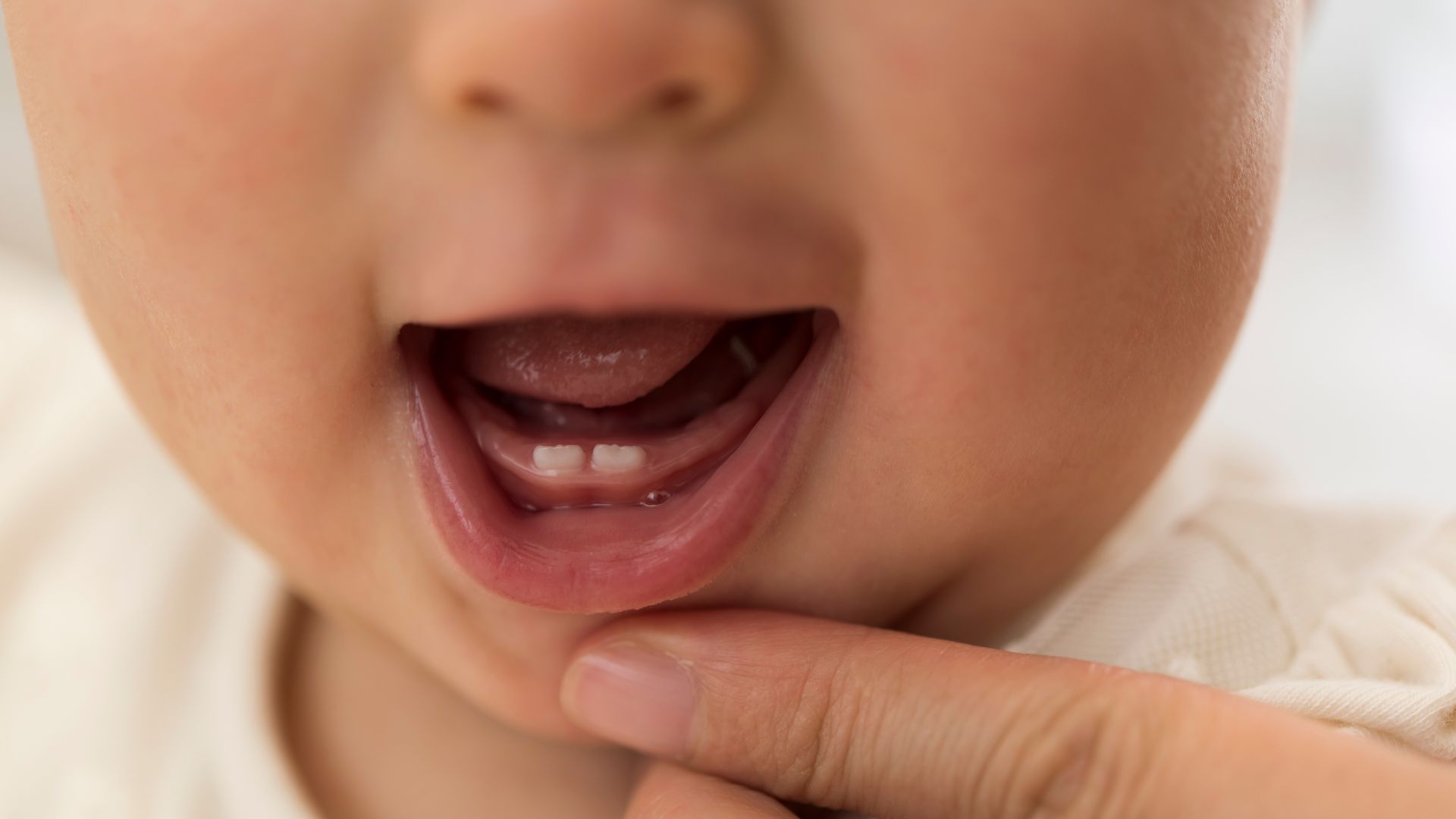
You can make this developmental stage more comfortable with a few simple strategies.
Counter-pressure is your friend during pre-eruption discomfort. Babies naturally seek out things to bite and chew because it provides relief. Offering appropriate items for them to gnaw on can make everyone’s day a bit easier.
Safe options include:
- Solid silicone or rubber teething rings without gel or liquid inside
- Textured teething toys designed specifically for oral exploration
- Clean, damp washcloths tied in a knot for extra texture
- Teething toys that can be safely chilled in the refrigerator
Cold provides natural numbing relief without any medication. A chilled teething ring or a cold, damp washcloth can soothe irritated gums. Keep teething items in the refrigerator, but avoid the freezer.
Extremely cold objects can actually damage delicate gum tissue.
Gentle gum massage with a clean finger can also help. Wash your hands thoroughly, then use your fingertip to apply light pressure in circular motions over the gum area where the tooth is emerging.
Many babies find this quite soothing, especially right before feeding or sleep.
Important items to avoid:
- Teething necklaces or bracelets (choking and strangulation hazards)
- Homeopathic teething tablets or gels are not approved by your pediatrician
- Frozen teething toys (too cold for sensitive gums)
- Numbing gels containing benzocaine for babies under two
- Hard foods that could break into choking hazards
|
When to Call a Pediatric Dentist? Most teething experiences are normal and manageable at home, but sometimes professional guidance is helpful. Schedule an appointment if your baby reaches 15 months with no signs of teeth emerging. Swelling that appears infected, hot to the touch, or producing pus needs prompt attention. Severe, persistent discomfort that doesn’t respond to comfort measures should be checked. Bleeding that doesn’t stop after a few minutes or concerns about tooth positioning are also valid reasons to call. The American Academy of Pediatric Dentistry recommends a first dental visit by age one. |
Conclusion
Watching for baby teeth before eruption doesn’t have to be stressful or confusing.
Now that you know what’s happening beneath those gums, you can spot the signs early and help your baby feel more comfortable through the process.
Remember, every child’s timeline is different, and variations are completely normal. Some babies sail through teething with barely a whimper, while others need extra support and comfort.
Trust your instincts as a parent. If something feels off or you’re worried about your baby’s development, don’t hesitate to reach out to your pediatric dentist.
They’re there to support you through all these milestones. Ready to give your little one the best start with their dental health? Schedule that first dental visit and set the foundation for a lifetime of healthy smiles.