100 Best Fun Activities for Kids to Keep Them Entertained
Keeping children entertained while fostering their growth and creativity can feel like a never-ending puzzle for parents and caregivers.
The truth is, kids thrive when they have opportunities to explore, create, and play in ways that spark their imagination and energy.
Whether it’s a rainy afternoon indoors or a sunny day begging for outdoor adventure, having a collection of engaging activities at hand makes all the difference. From artistic projects that unleash creativity to physical games that burn off excess energy, the right activities can transform ordinary moments into extraordinary memories.
This comprehensive guide brings together a diverse range of ideas designed to entertain, educate, and inspire children of all ages. Each activity offers something special, ensuring there’s always something exciting waiting around the corner. Let’s dive into these wonderful ways to keep kids happy, active, and engaged.
Best Fun Activities for Kids That Boost Learning and Creativity
These activities keep kids happy, busy, and learning while having tons of fun throughout the day.
Creative Arts and Crafts Activities
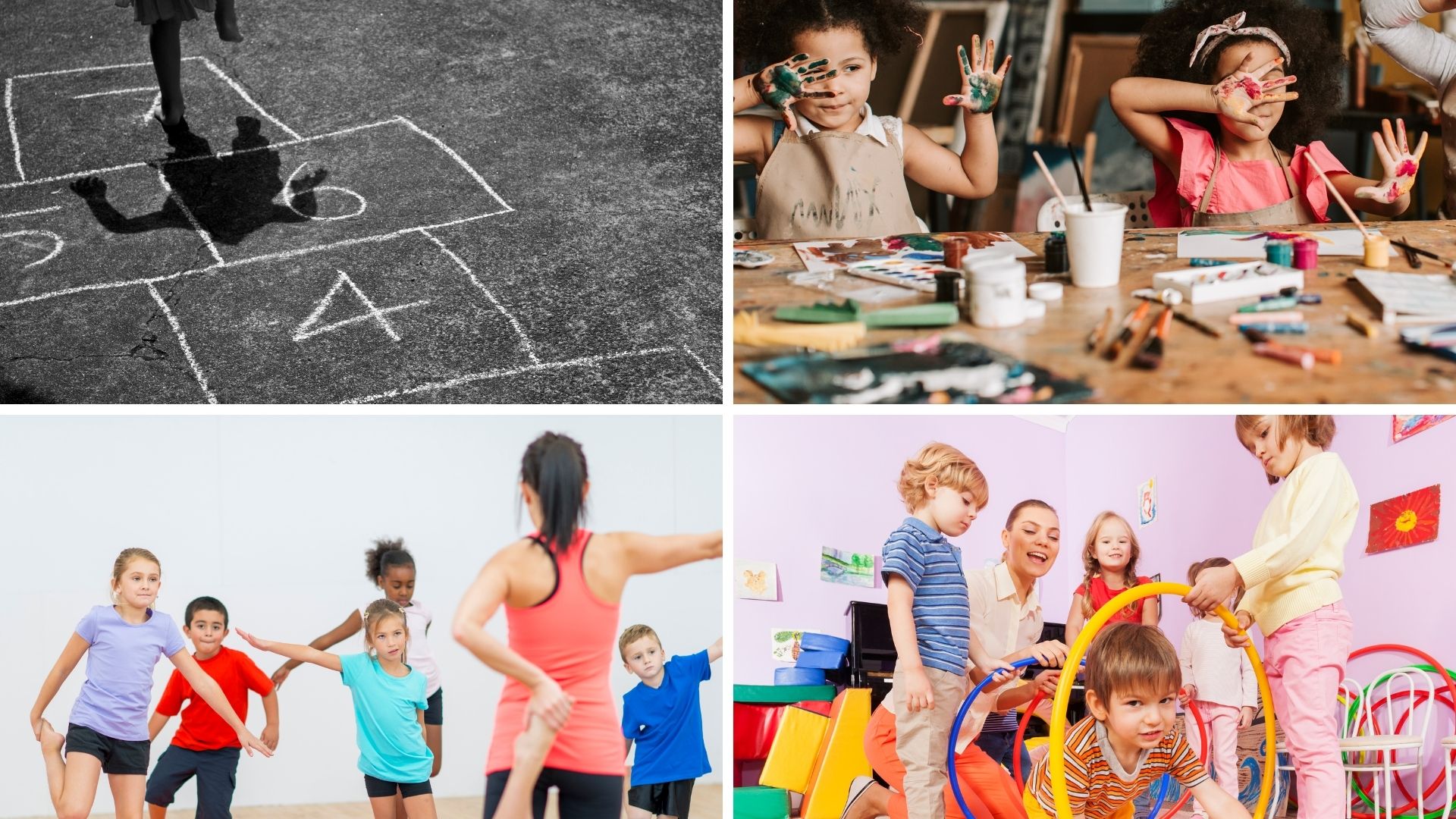
These hands-on projects allow children to express themselves while developing fine motor skills and artistic abilities.
1. Paint Rock Monsters
Collect smooth stones and transform them into colorful creatures using acrylic paints. Kids can create entire monster families with googly eyes and unique personalities.
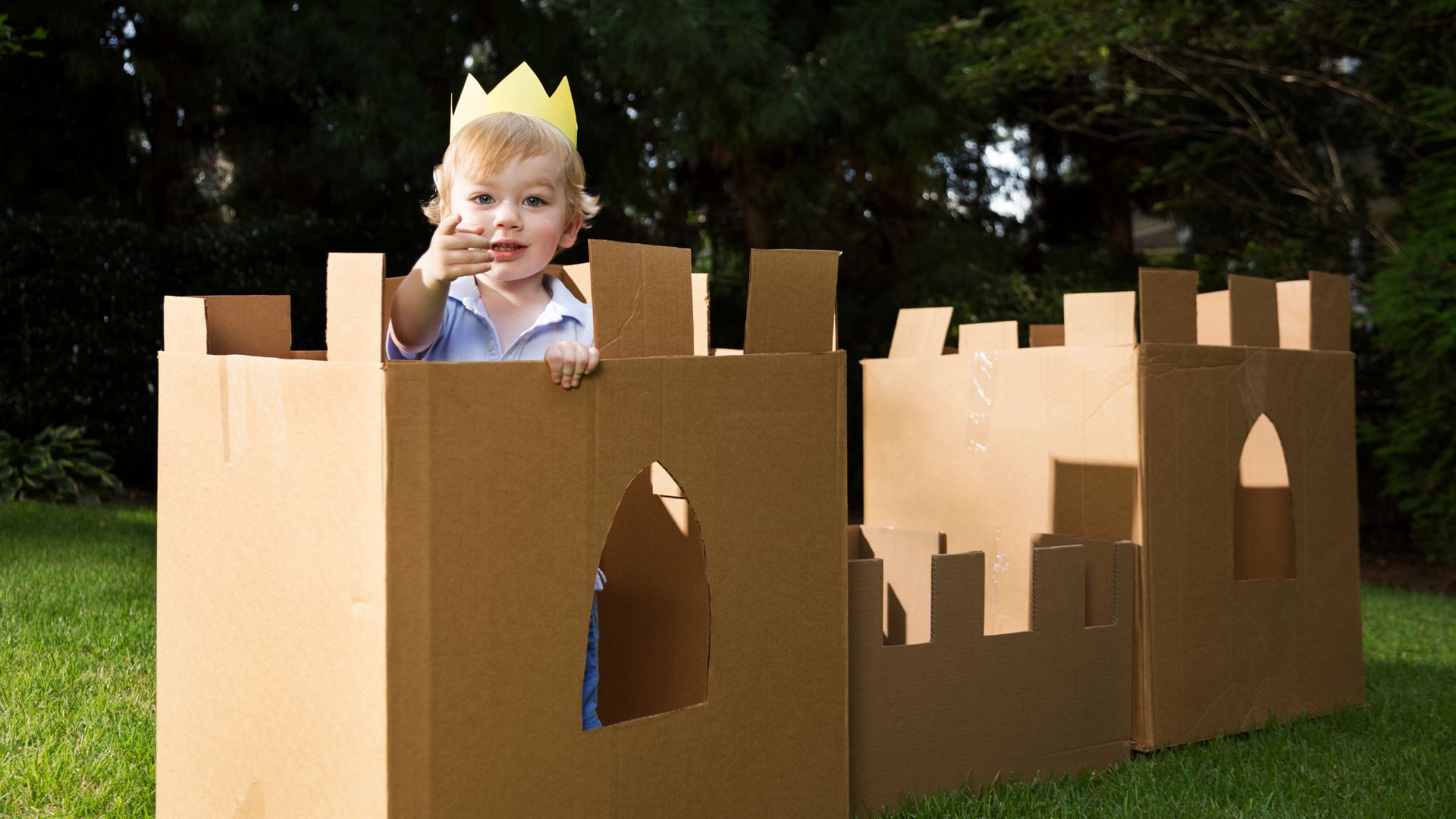
2. Build a Cardboard Castle
Use old cardboard boxes to construct an imaginative fortress. Children can design towers, drawbridges, and secret rooms while developing spatial awareness and creativity.
3. Make Friendship Bracelets
Teach kids to weave colorful threads into beautiful patterns. This activity enhances concentration and results in wearable art that they can share with friends.
4. Create Nature Collages
Gather leaves, flowers, and twigs during outdoor walks, then arrange them into artistic designs on paper using glue for a natural masterpiece.
5. Design Paper Plate Masks
Transform simple paper plates into animal faces, superheroes, or fantasy characters using markers, feathers, yarn, and other craft supplies for imaginative play.
6. Sculpt with Homemade Playdough
Mix flour, salt, water, and food coloring to create moldable dough. Kids can shape anything from animals to food items while strengthening hand muscles.
7. Paint with Ice Cubes
Freeze paint mixed with water in ice cube trays with popsicle sticks. Children create unique melting artwork as colored ice glides across paper.
8. Construct Pipe Cleaner Sculptures
Bend and twist fuzzy pipe cleaners into three-dimensional shapes, animals, or abstract art. This activity builds dexterity and encourages creative thinking.
9. Make Handprint Art
Use non-toxic paint to create handprint animals, flowers, or trees. These projects become treasured keepsakes showing how much little hands have grown.
10. Design Origami Animals
Teach children to fold paper into cranes, frogs, and boats. This ancient art form improves focus, patience, and following sequential instructions.
11. Create Sun Catchers
Arrange tissue paper pieces on contact paper, then hang finished creations in windows where sunlight transforms them into glowing decorations.
12. Build Popsicle Stick Houses
Glue wooden craft sticks together to construct miniature buildings. Kids can design homes, barns, or entire villages with imaginative architectural details.
13. Make Shaving Cream Art
Spread shaving cream on trays, swirl in food coloring, then press paper on top. The marbled patterns create stunning abstract designs.
14. Design Custom T-Shirts
Use fabric markers or paint to personalize plain shirts. Children create wearable art featuring their favorite designs, characters, or meaningful messages.
15. Craft Egg Carton Creatures
Cut apart cardboard egg cartons and transform sections into caterpillars, flowers, or fantastical beings using paint and embellishments.
16. Create Yarn-Wrapped Letters
Wrap colorful yarn around cardboard letter shapes to spell names or words. This activity combines art with early literacy skills.
17. Make Paper Bag Puppets
Decorate brown paper bags with markers, paper, and glue to create puppet characters for storytelling and imaginative performances.
18. Design Mosaic Artwork
Tear colored paper into small pieces and arrange them to form pictures or patterns. This process teaches patience and attention to detail.
19. Build Salt Dough Ornaments
Mix flour, salt, and water to create dough that can be shaped and baked. Kids design decorations for holidays or special occasions.
20. Create Scratch Art Pictures
Cover paper with crayon colors, paint over with black, then scratch designs to reveal rainbow patterns underneath for magical artistic effects.
21. Make Bubble Wrap Prints
Apply paint to bubble wrap, press onto paper, and create textured patterns. The popping sensation adds sensory fun to artistic creation.
22. Design Window Clings
Draw designs with puffy paint on plastic sheets. Once dry, these homemade clings stick to windows for colorful, removable decorations.
23. Craft Newspaper Hats
Fold newspapers into various hat styles from pirates to princesses. This traditional activity requires no special supplies and sparks imaginative dress-up.
24. Create Leaf Rubbings
Place leaves under paper and rub crayons over the surface to reveal detailed vein patterns. This simple technique combines art with nature study.
25. Make Tissue Paper Flowers
Twist and layer colorful tissue paper into beautiful blooms. These long-lasting flowers brighten rooms without wilting or requiring water.
Active Outdoor and Physical Activities
These energetic pursuits help children develop coordination, strength, and a love for movement and fresh air.
26. Set Up Obstacle Courses
Arrange household items or outdoor equipment into challenging paths. Kids crawl under tables, jump over pillows, and develop gross motor skills.
27. Play Capture the Flag
Divide into teams and try to capture opponents’ flags while protecting territory. This classic game builds strategy, teamwork, and cardiovascular fitness.
28. Go on Nature Scavenger Hunts
Create lists of items to find outdoors like specific leaves, rocks, or insects. Children sharpen observation skills while exploring natural environments.
29. Have Water Balloon Fights
Fill colorful balloons with water for refreshing outdoor battles. This activity provides cooling relief during hot weather while encouraging active play.
30. Jump Rope Challenges
Practice different jumping patterns from basic hops to double dutch. This timeless activity improves coordination, rhythm, and cardiovascular endurance.
31. Play Red Light Green Light
One player calls signals while others race forward or freeze. This game teaches impulse control and listening skills through active movement.
32. Create Sidewalk Chalk Courses
Draw hopscotch grids, mazes, or racing tracks on pavement. Kids follow the paths, combining artistic creation with physical activity.
33. Fly Kites
Launch colorful kites on breezy days and watch them soar. Children learn about wind patterns while enjoying outdoor excitement and visual beauty.
34. Organize Relay Races
Set up team competitions with various challenges like egg-and-spoon races or three-legged runs. These events build cooperation and friendly competition.
35. Play Hide and Seek
This timeless game requires no equipment and works anywhere. Children develop spatial awareness and problem-solving while having adventurous fun.
36. Build Backyard Forts
Use branches, sticks, and natural materials to construct outdoor hideaways. These structures become headquarters for imaginative adventures and exploration.
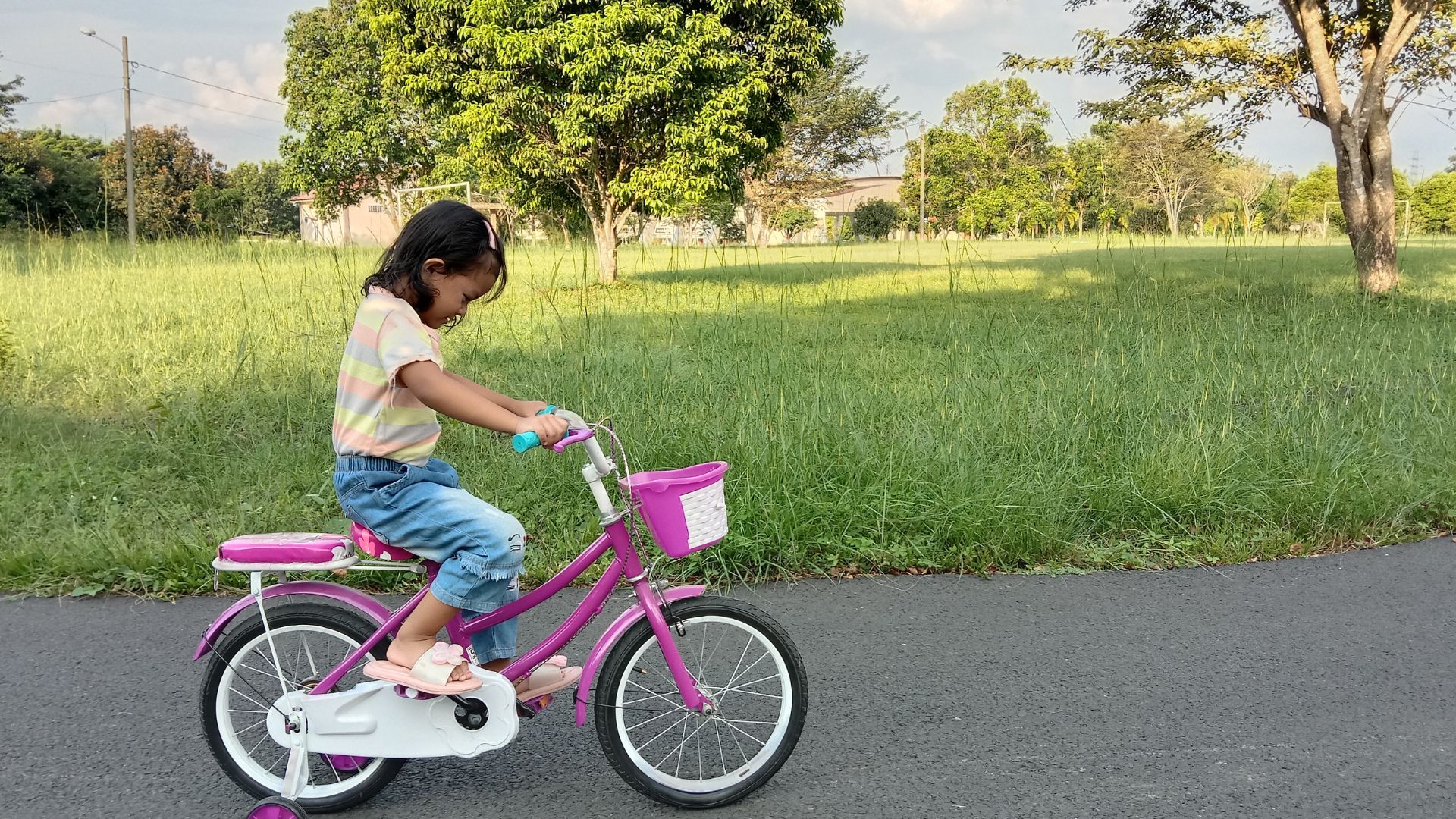
37. Go Bike Riding
Explore neighborhoods or parks on two wheels. Cycling builds leg strength and balance and provides freedom to discover new places together.
38. Play Tag Variations
Try freeze tag, shadow tag, or TV tag for active chasing games. These variations keep classic gameplay fresh and exciting.
39. Have Dance Parties
Play upbeat music and move freely without choreography. Dancing burns energy, improves coordination, and lifts moods through joyful expression.
40. Organize Sack Races
Hop toward finish lines while inside burlap sacks or pillowcases. This silly competition guarantees laughter while building leg strength and balance.
41. Play Simon Says
Follow commands only when preceded by the magic phrase. This game sharpens listening skills and body awareness through playful movement.
42. Go on Bug Hunts
Search for insects with magnifying glasses and collection containers. Children become junior scientists observing creatures in their natural habitats.
43. Have Hula Hoop Contests
Spin hoops around waists, arms, or legs to see who lasts longest. This retro activity strengthens core muscles and improves coordination.
44. Play Mother May I
Request permission to take steps forward using various movements. This structured game teaches manners while incorporating physical activity and strategy.
45. Set Up Sprinkler Fun
Run through lawn sprinklers on hot days. The refreshing water play combines cooling relief with active outdoor exercise and laughter.
46. Organize Tug of War
Two teams pull opposite ends of a rope to test strength and teamwork. This classic competition builds muscles and cooperative spirit.
47. Play Kickball
Combine soccer and baseball elements in this inclusive team sport. Children develop kicking accuracy, running speed, and collaborative game strategies.
48. Have Balloon Volleyball
Keep balloons airborne without letting them touch the ground. This gentle indoor or outdoor game improves hand-eye coordination without breakable equipment.
49. Go Cloud Watching
Lie on the grass and find shapes in passing clouds. This peaceful activity encourages imagination and observation while providing relaxing outdoor time.
50. Play Freeze Dance
Dance while the music plays and freeze into statues when it stops. This energetic game combines movement with self-control and musical awareness.
Educational and Mind-Building Activities
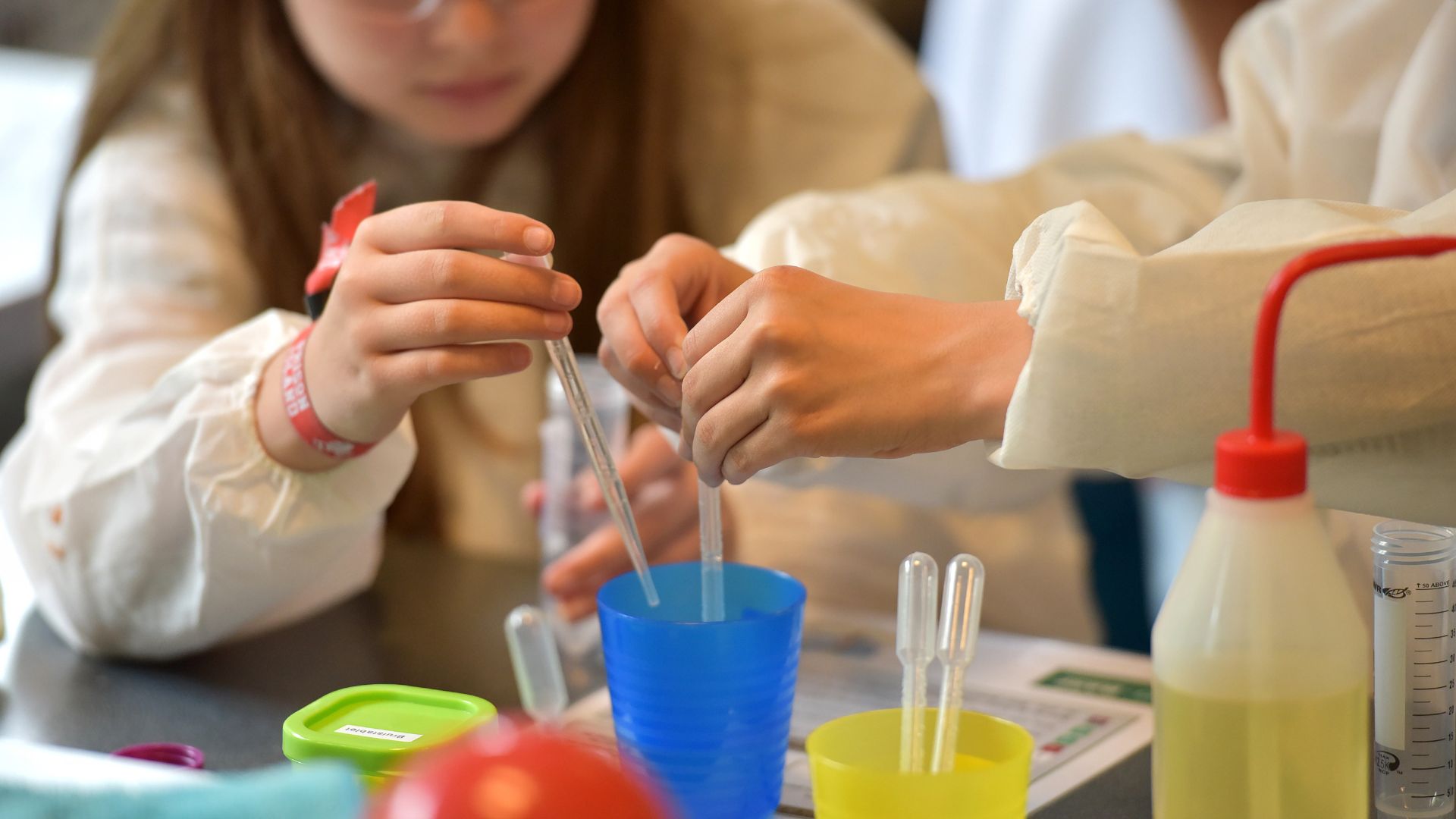
These intellectually stimulating pursuits engage curious minds while teaching valuable skills and knowledge.
51. Conduct Science Experiments
Create vinegar volcanoes, grow crystals, or make slime. Hands-on experiments demonstrate scientific principles while sparking curiosity about how things work.
52. Build with LEGO Bricks
Construct vehicles, buildings, or fantastical creations using plastic building blocks. This activity enhances spatial reasoning, planning, and creative problem-solving abilities.
53. Play Memory Matching Games
Flip cards to find pairs while exercising recall abilities. These games strengthen memory, concentration, and pattern recognition through engaging gameplay.
54. Solve Jigsaw Puzzles
Piece together images from scattered parts. Puzzles develop spatial awareness, persistence, and the satisfaction of completing challenging visual tasks.
55. Practice Alphabet Activities
Use letter magnets, flashcards, or apps to learn the ABCs. Early literacy skills develop through playful repetition and recognition games.
56. Do Math With Manipulatives
Count beads, blocks, or buttons to understand numbers. Physical objects make abstract mathematical concepts concrete and easier to grasp.
57. Learn Geography With Maps
Explore globes, atlases, or interactive maps. Children discover countries, oceans, and cultures while developing geographical literacy and worldview awareness.
58. Play Educational Board Games
Try games, teaching strategy, vocabulary, or problem-solving. These structured activities combine learning objectives with entertaining competition and family bonding.
59. Read Books Together
Share stories spanning fiction to educational topics. Reading builds vocabulary, comprehension, imagination, and creates precious bonding moments between adults and children.
60. Watch Educational Videos
Select quality content teaching science, history, or nature. Screen time becomes productive when programming offers age-appropriate educational value and engagement.
61. Practice Typing Skills
Use online programs designed for young learners. Early keyboard familiarity prepares children for digital literacy and future academic requirements.
62. Learn Musical Instruments
Introduce piano, guitar, or recorder basics. Musical training enhances cognitive development, discipline, and provides lifelong creative expression opportunities.
63. Study the Solar System
Learn planet names, order, and characteristics. Space exploration captures imaginations while teaching astronomical concepts and scale comprehension.
64. Practice Foreign Language Basics
Use apps or videos teaching simple words and phrases. Early exposure to additional languages enhances cognitive flexibility and cultural appreciation.
65. Do Coding Activities
Try kid-friendly programming games and robots. Basic coding teaches logical thinking, sequencing, and problem-solving relevant to modern technology careers.
66. Explore Human Body Systems
Learn about organs, bones, and bodily functions. Understanding anatomy promotes health awareness and appreciation for biological complexity.
67. Practice Money Counting
Sort coins, practice making change, and understand values. Financial literacy begins with recognizing currency and performing simple calculations.
68. Study Weather Patterns
Observe and record daily conditions, temperatures, and precipitation. Meteorology basics teach observation, data collection, and pattern recognition skills.
69. Learn About Animals
Research different species, habitats, and behaviors. Zoological studies foster environmental awareness and scientific curiosity about living creatures.
70. Practice Calendar Skills
Identify days, months, seasons, and plan events. Time concepts become concrete through daily calendar interaction and anticipation of upcoming occasions.
71. Do Critical Thinking Puzzles
Solve riddles, logic problems, or brain teasers. These challenges strengthen reasoning abilities and teach multiple approaches to finding solutions.
72. Study Historical Events
Learn about important moments and figures from the past. Historical knowledge provides context for understanding the present society and future possibilities.
73. Practice Telling Time
Use analog clocks to read hours and minutes. This essential skill connects abstract numbers to daily routines and scheduling awareness.
74. Explore Plant Life Cycles
Plant seeds and observe growth stages. Botany lessons teach responsibility, patience, and biological processes through hands-on gardening experiences.
75. Learn About Different Cultures
Explore traditions, foods, and customs worldwide. Cultural education builds empathy, appreciation for diversity, and global citizenship awareness from a young age.
Imaginative Play and Social Activities
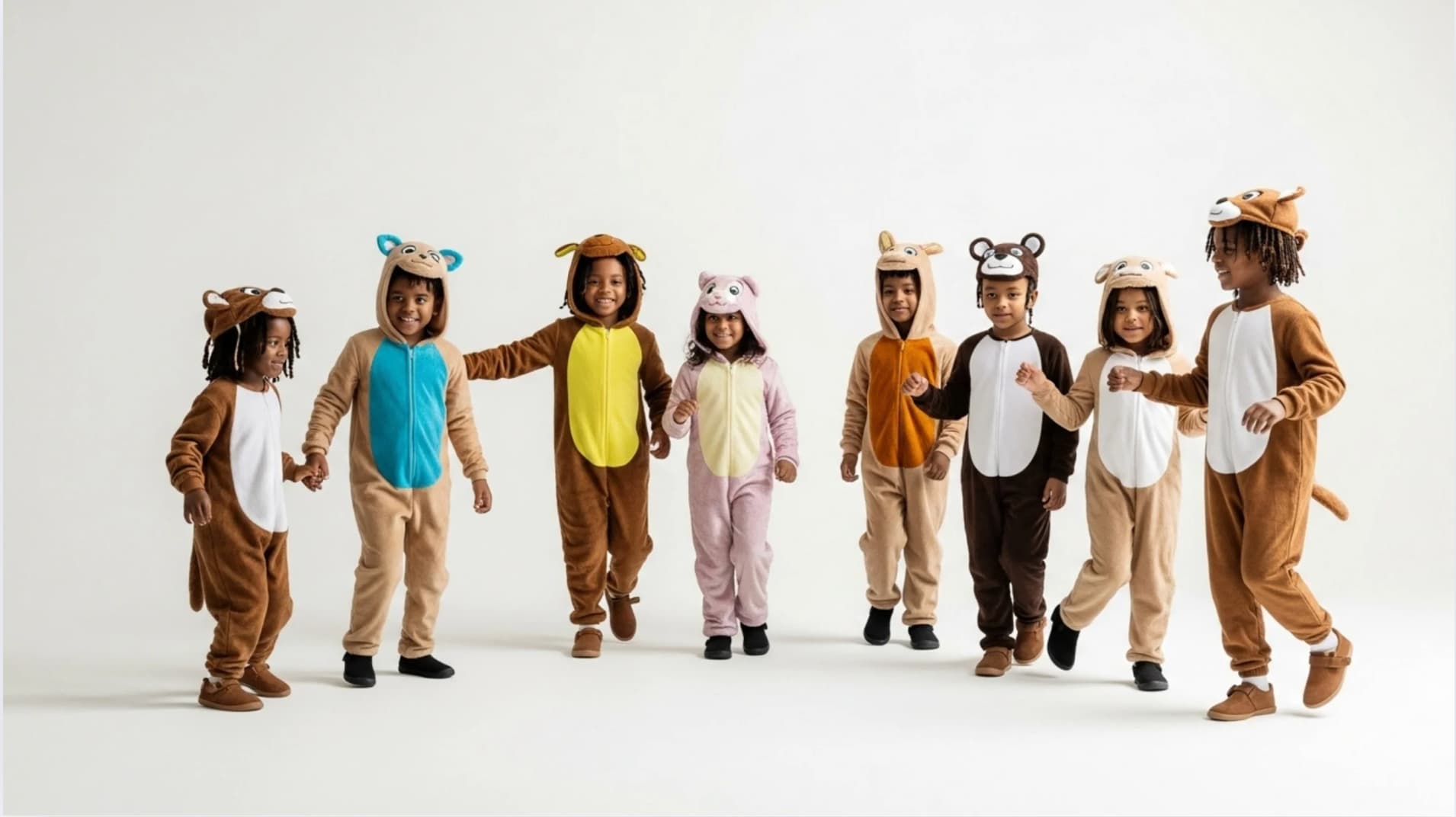
These interactive experiences develop social skills, creativity, and emotional intelligence through cooperative and pretend play.
76. Host Tea Parties
Set up fancy gatherings with real or pretend refreshments. These elegant events teach social etiquette, conversation skills, and gracious hosting behaviors.
77. Put on Puppet Shows
Create stories and perform with handmade or store-bought puppets. Theater arts develop public speaking confidence, storytelling abilities, and dramatic expression.
78. Play Restaurant
Take turns being servers and customers with play food. This role-playing teaches social interactions, menu reading, and occupational awareness through fun scenarios.
79. Build Blanket Forts
Drape sheets over furniture for cozy hideaways. These magical spaces become settings for reading, games, or simply enjoying private retreats.
80. Dress Up in Costumes
Transform into characters using clothing and accessories. Imaginative role-play develops empathy, creativity, and exploration of different identities and situations.
81. Have Indoor Picnics
Spread blankets and enjoy meals inside. This simple twist on routine dining creates special moments and adventure without leaving home.
82. Play Doctor or Veterinarian
Use toy medical kits to examine stuffed animals or dolls. Medical play reduces anxiety about healthcare while teaching caring and helping behaviors.
83. Create Treasure Hunts
Hide objects and provide clues leading to discoveries. These adventures build problem-solving, reading comprehension, and excitement about following sequential directions.
84. Play School
Take turns being teachers and students with lessons. Educational role-play reinforces learning concepts while developing leadership and instructional communication skills.
85. Host Fashion Shows
Model outfits and walk pretend runways. These performances build confidence, self-expression, and appreciation for clothing design and personal style choices.
86. Put on Magic Shows
Learn simple tricks and perform for audiences. Magic develops presentation skills, manual dexterity, and the joy of entertaining others.
87. Play Grocery Shopping
Use toy food and carts for pretend shopping trips. This activity teaches planning, budgeting, nutrition choices, and everyday life skills.
88. Have Karaoke Sessions
Sing your favorite songs with or without microphones. Musical performances build confidence, rhythm, and joyful self-expression without perfectionist pressure.
89. Play House
Act out family scenarios with dolls or role assignments. Domestic role-play helps children process experiences and practice social relationships safely.
90. Create Story Circles
Take turns adding sentences to collaborative tales. Cooperative storytelling develops listening, creativity, and understanding of narrative structure and character development.
91. Play Post Office
Write and deliver pretend letters and packages. Postal play teaches communication, addressing, and the excitement of sending and receiving correspondence.
92. Host Game Show Competitions
Create trivia or physical challenges with prizes. These events combine knowledge, skills, and friendly competition in entertaining formats.
93. Play Superhero Adventures
Invent heroes with special powers and missions. Superhero play allows exploring bravery, justice, helping others, and overcoming imaginary obstacles.
94. Have Camping Experiences
Set up tents indoors or outdoors with camping activities. These adventures teach outdoor skills, self-sufficiency, and appreciation for nature.
95. Play Beauty Salon
Style hair, paint nails, and pamper clients. Salon play develops service skills, creativity, and gentle interpersonal care through relaxing activities.
96. Create Radio Shows
Record pretend broadcasts with news, music, and stories. Broadcasting play builds public speaking, organization, and understanding of media production.
97. Play Construction Workers
Use toy tools to build imaginary projects. Construction role-play teaches planning, teamwork, and appreciation for trades and building processes.
98. Have Dance Performances
Choreograph routines and present shows. Performance opportunities build confidence, physical coordination, and artistic expression through planned movement sequences.
99. Play Library
Organize books and check them out to borrowers. Library play teaches organization, literacy appreciation, and the joy of sharing stories.
100. Host Talent Shows
Display various skills from juggling to jokes. These inclusive events celebrate diverse abilities and build confidence through supportive audience appreciation and applause.
Conclusion
Finding the right activities changes everyday moments into opportunities for growth, laughter, and connection.
The ideas shared here offer endless possibilities for keeping children engaged while supporting their development across multiple dimensions.
The beauty lies not just in keeping kids busy but in creating meaningful experiences they’ll remember for years to come.
These activities work independently or can be mixed and matched based on interests, weather, or available time and resources.
Ready to bring more joy and engagement into daily routines?
Pick an activity that sparks excitement and watch as children discover new passions, develop confidence, and create wonderful memories.
The adventure of childhood awaits with endless possibilities for fun and learning.