
17 Easy Sensory Play Ideas for Toddlers
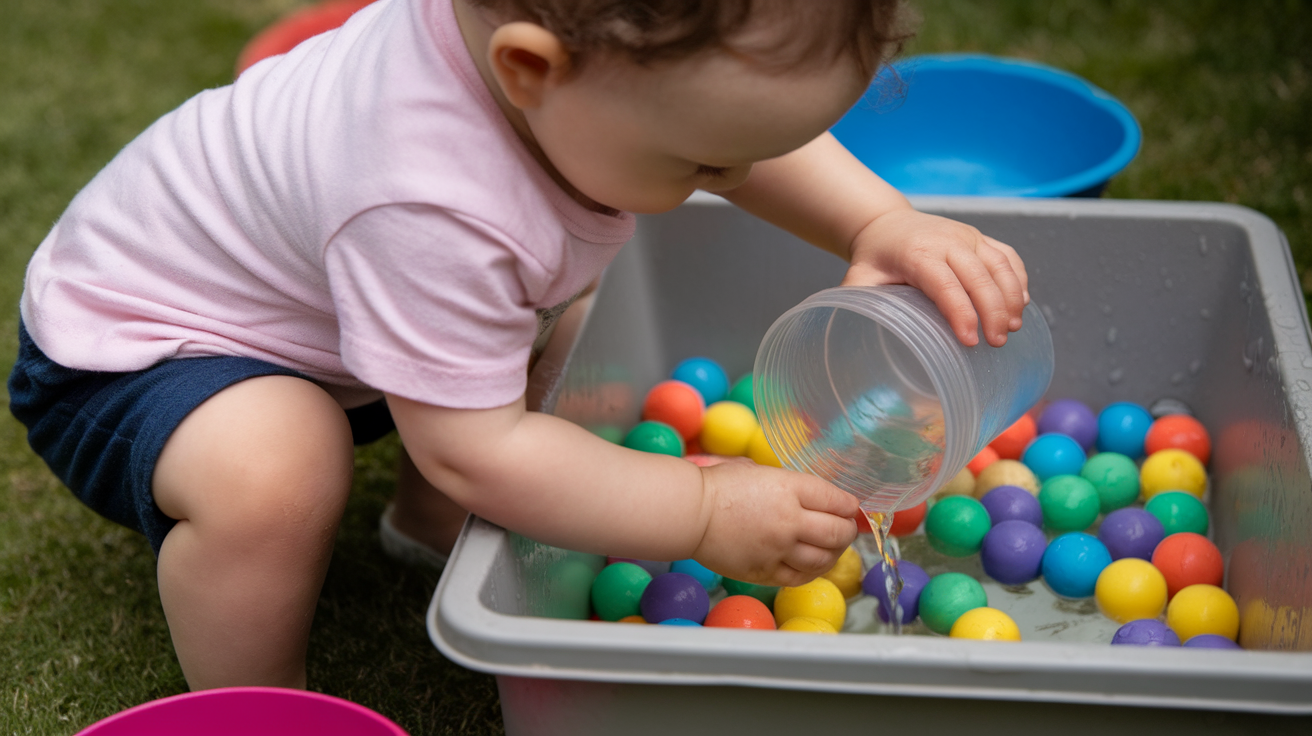
Sensory play helps toddlers learn in a natural and hands-on way. It uses touch, sound, sight, and movement to support early growth.
Parents and caregivers often look for simple ideas that fit into daily life. Sensory play does not need fancy tools or a lot of time.
Small activities can bring joy, calm, and focus to a busy day. Toddlers also enjoy the freedom to try new textures and actions at their own pace.
This article provides easy sensory play ideas that keep toddlers engaged and happy.
How Sensory Play Helps Toddlers Learn?
Sensory play helps toddlers learn by giving them real experiences they can feel, see, hear, and move through.
When toddlers touch different textures or try simple actions like scooping, pouring, or squeezing, their brains make strong connections.
These moments help build early skills they will use later in school. Sensory play also supports fine motor strength, hand-eye coordination, and simple problem-solving.
It encourages toddlers to ask questions, try new things, and learn at their own pace.
This type of play also helps with language growth, as adults can name textures, colors, and actions during the activity. Overall, sensory play creates a strong base for early learning.
Sensory Play Ideas You Can Try at Home
Parents and caregivers can use these easy ideas to keep toddlers busy, calm, and learning through hands-on fun.
1. Rice Bin Sensory Play
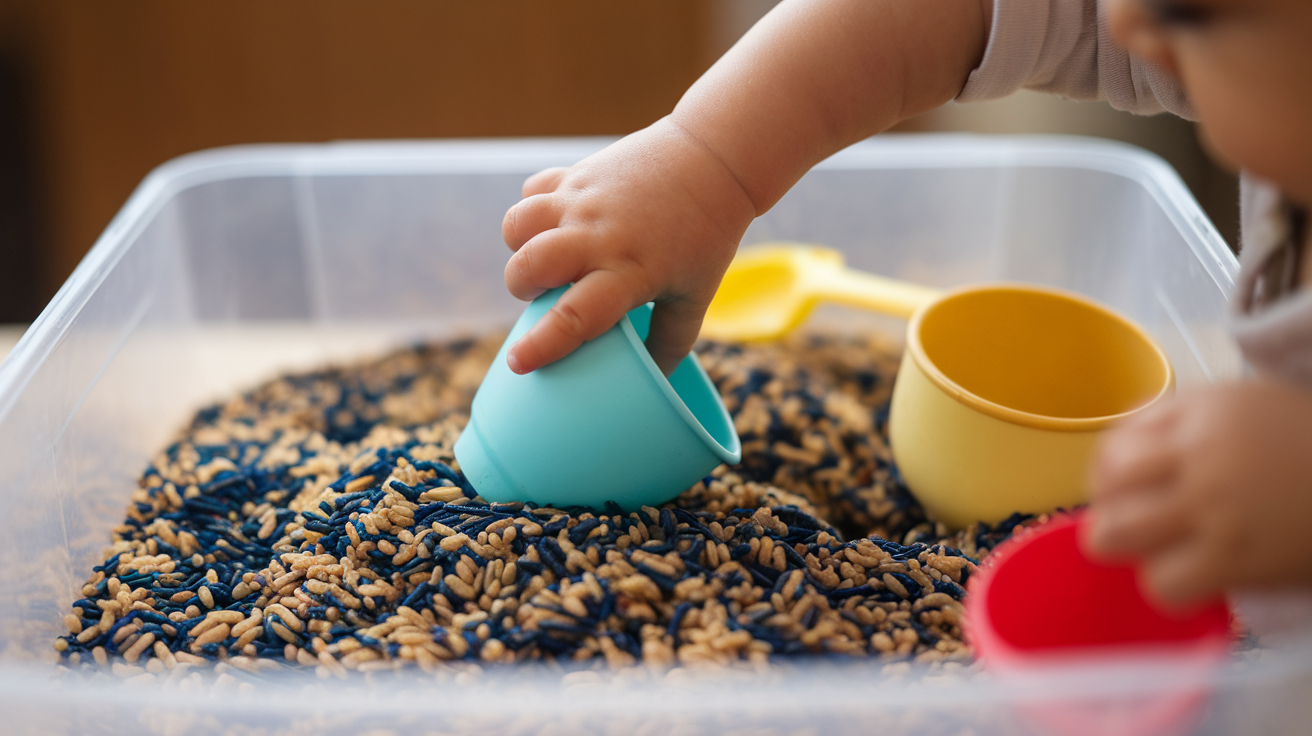
A rice bin is a classic and simple activity. Fill a large plastic bin with dry rice. Add cups, spoons, small containers, and small toys.
How it helps:
- Builds hand strength
- Supports scooping and pouring skills
- Encourages pretend play
Tip: Use food coloring to tint the rice if you want to add a visual element. Always supervise closely to prevent eating the rice.
2. Water Play Station
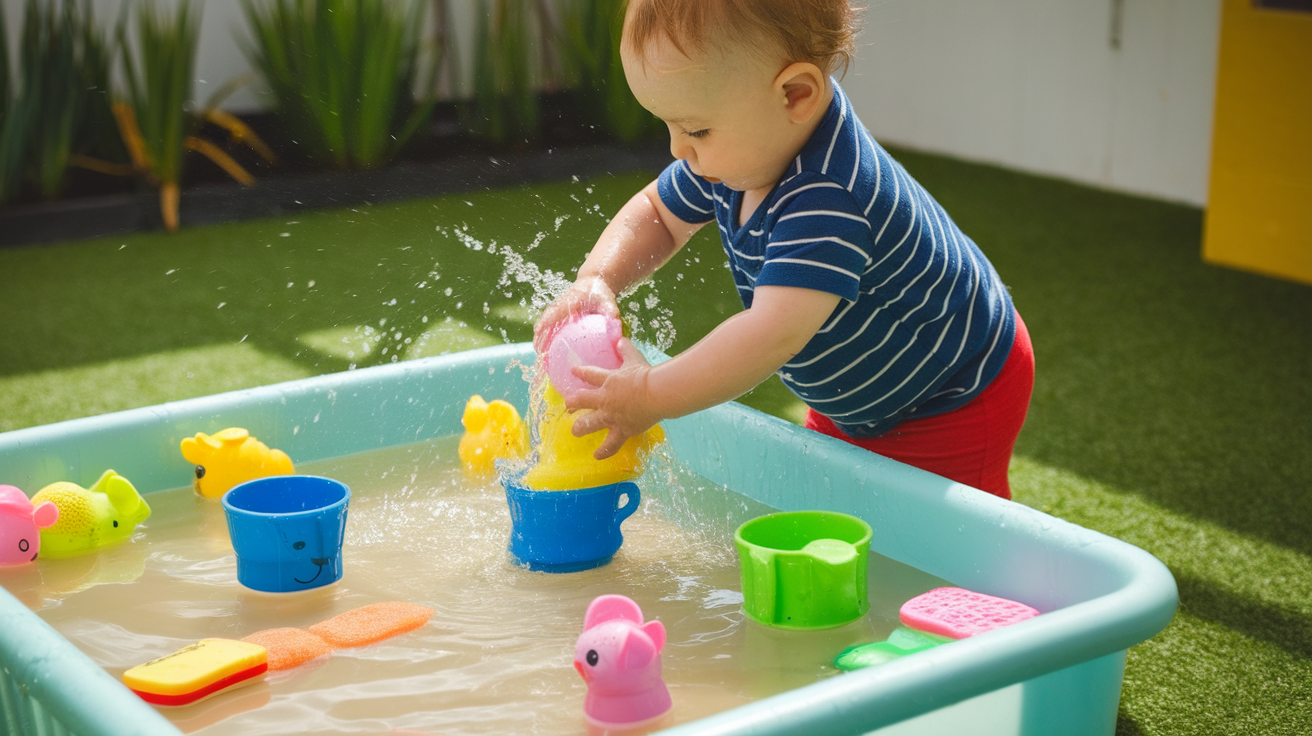
Water play is calm and engaging. Fill a shallow bin with a few inches of water. Add small cups, plastic animals, or sponges.
How it helps:
- Teaches simple science ideas like sinking and floating
- Builds hand control through squeezing and pouring
- Offers a soothing effect for busy toddlers
Tip: Add a few drops of food coloring to make the water more interesting. Keep towels nearby for easy cleanup.
3. Playdough Table
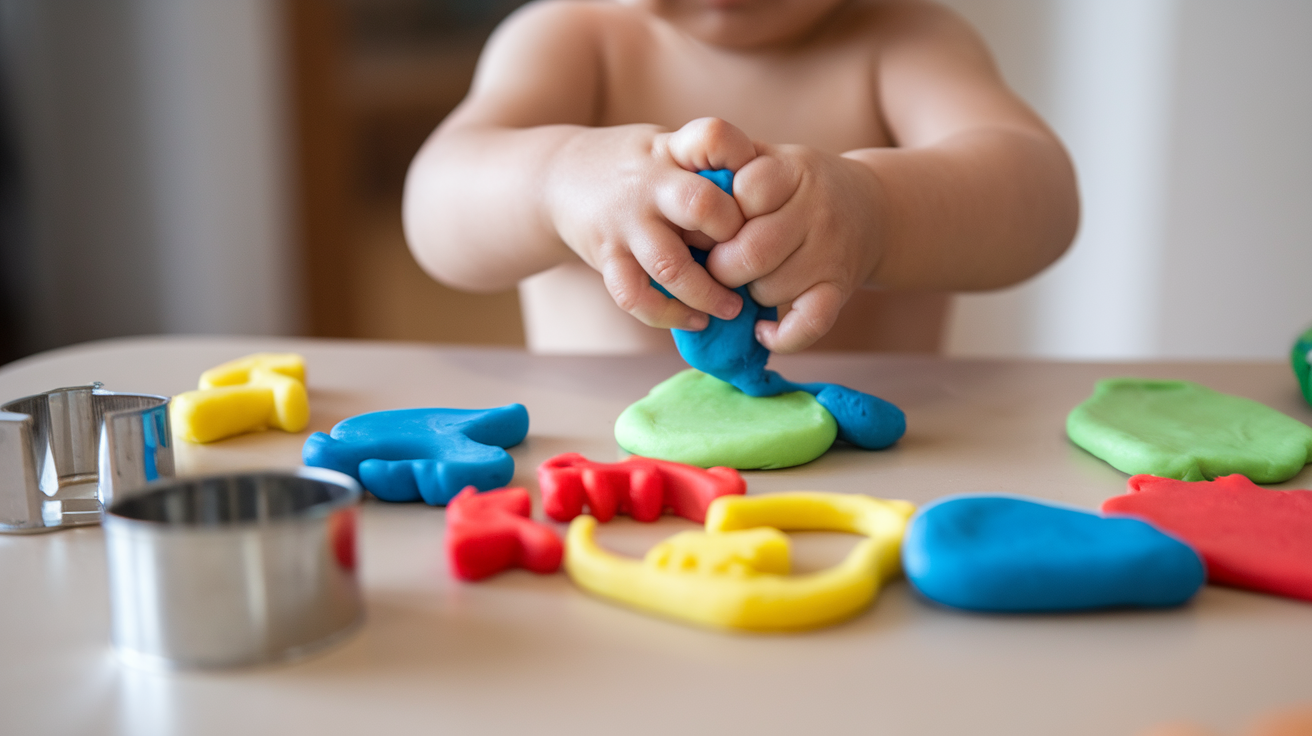
Homemade or store-bought playdough gives toddlers a safe way to squeeze, pinch, and shape materials.
How it helps:
- Builds fine motor strength
- Encourages creativity
- Supports early shape and pattern awareness
Tip: Offer cookie cutters, rolling pins, or bottle caps to add variety.
4. Sensory Bags
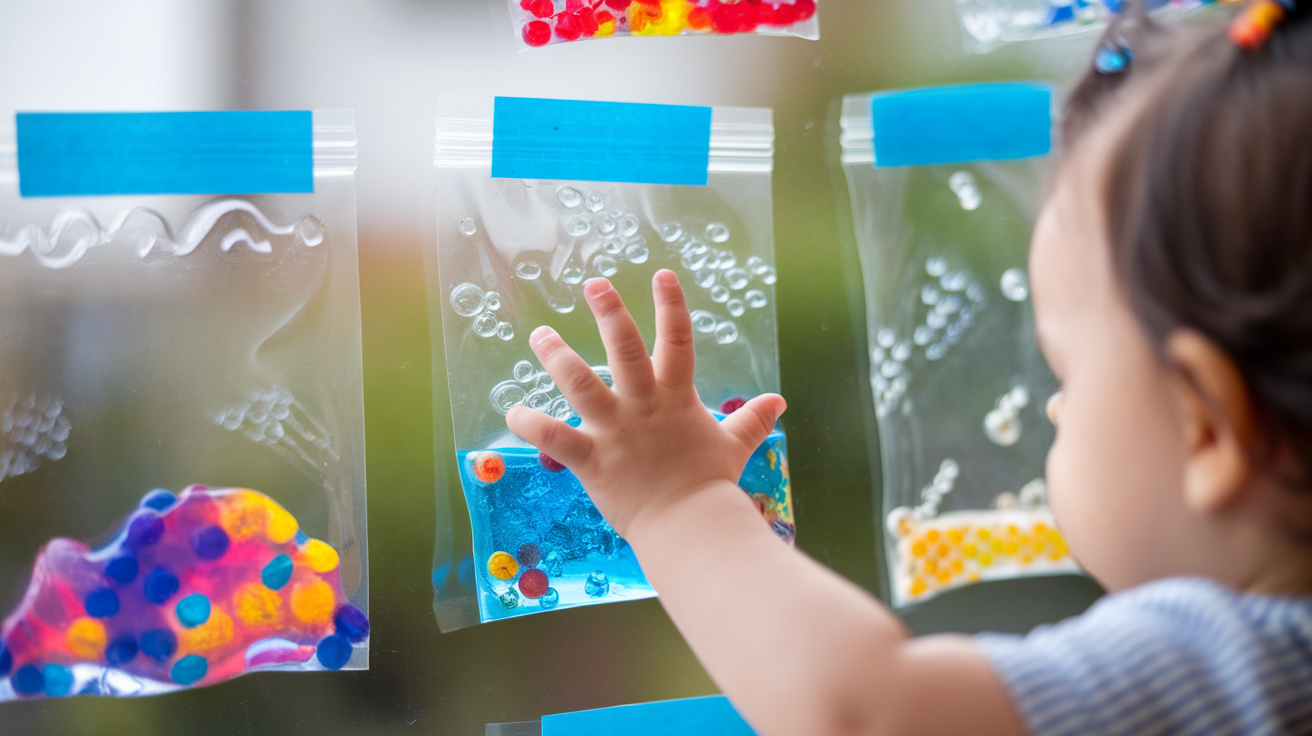
A sensory bag is a mess-free way for toddlers to feel new textures. Fill a zip-top bag with items like water beads, hair gel, or small buttons. Seal tightly and tape the edges.
How it helps:
- Safe for younger toddlers
- Supports simple cause-and-effect learning
- Encourages finger movements
Tip: Tape the bag to a table or window for a new experience.
5. Bubble Foam Fun
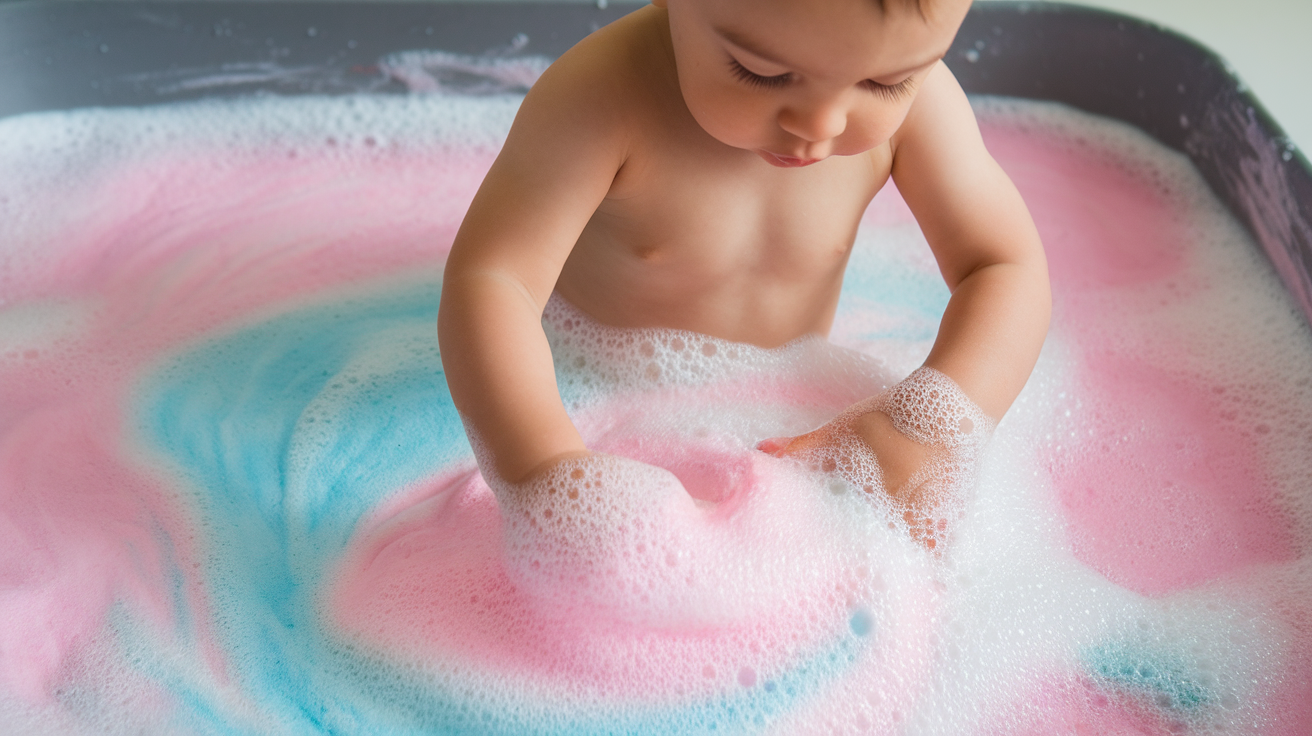
Mix water and dish soap in a bowl to make thick foam. Toddlers can scoop, press, and spread the foam on a tray.
How it helps:
- Encourages sensory exploration
- Strengthens finger and hand muscles
- Supports pretend play
Tip: Add a drop of food coloring to make the foam more fun. Supervise to prevent soap from getting in the eyes.
6. Nature Basket
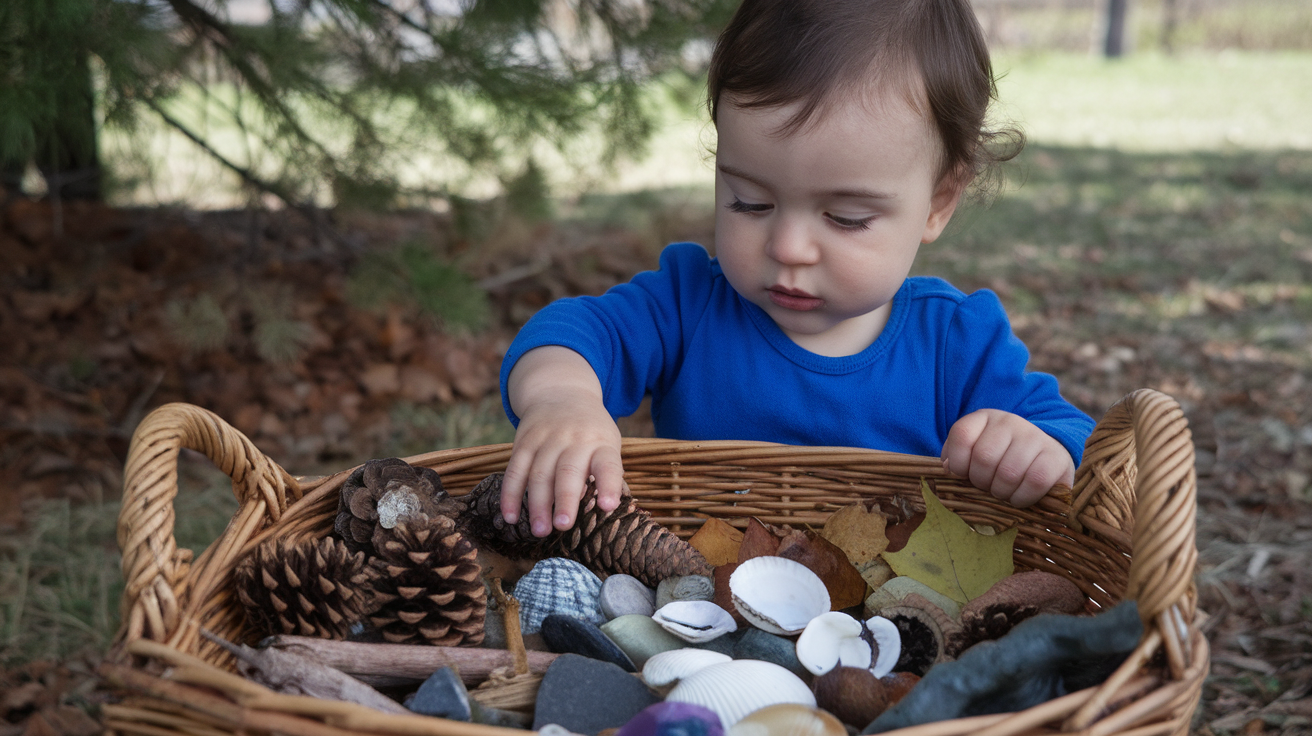
Fill a basket with safe, natural items like pinecones, leaves, rocks, sticks, or shells. Toddlers can touch and compare textures.
How it helps:
- Builds awareness of nature
- Encourages sorting and matching
- Supports simple descriptive language
Tip: Choose large items only. Avoid small parts that could pose a choking risk.
7. Oats or Bean Scoop Bin
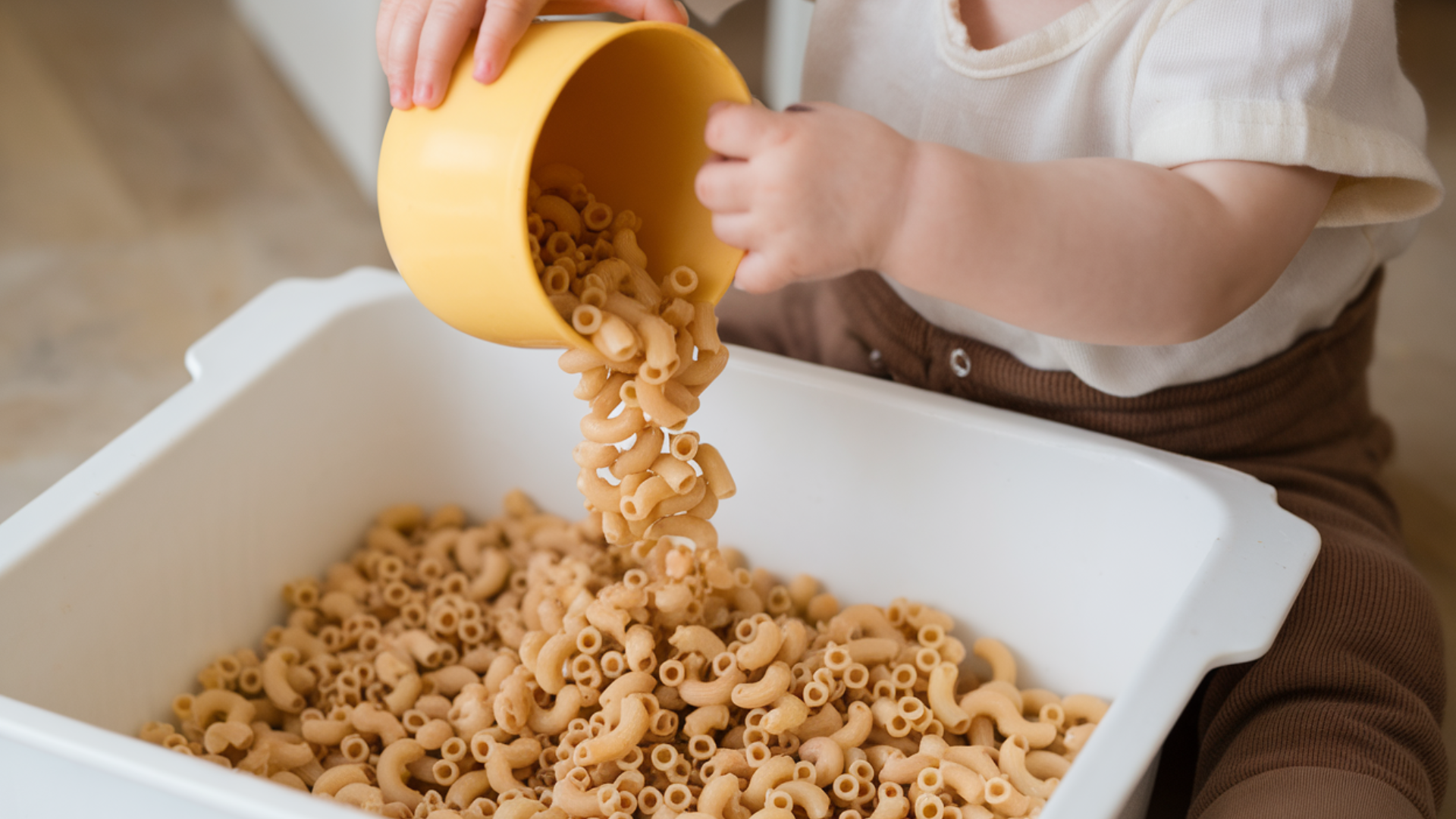
If you want a dry sensory bin without rice, then oats, macaroni, or dried beans work well. Add cups, trucks, or wooden spoons.
How it helps:
- Helps toddlers practice pouring
- Adds sound and texture variety
- Supports role play
Tip: Use a large mat under the bin to make cleanup simple.
8. Frozen Toy Rescue
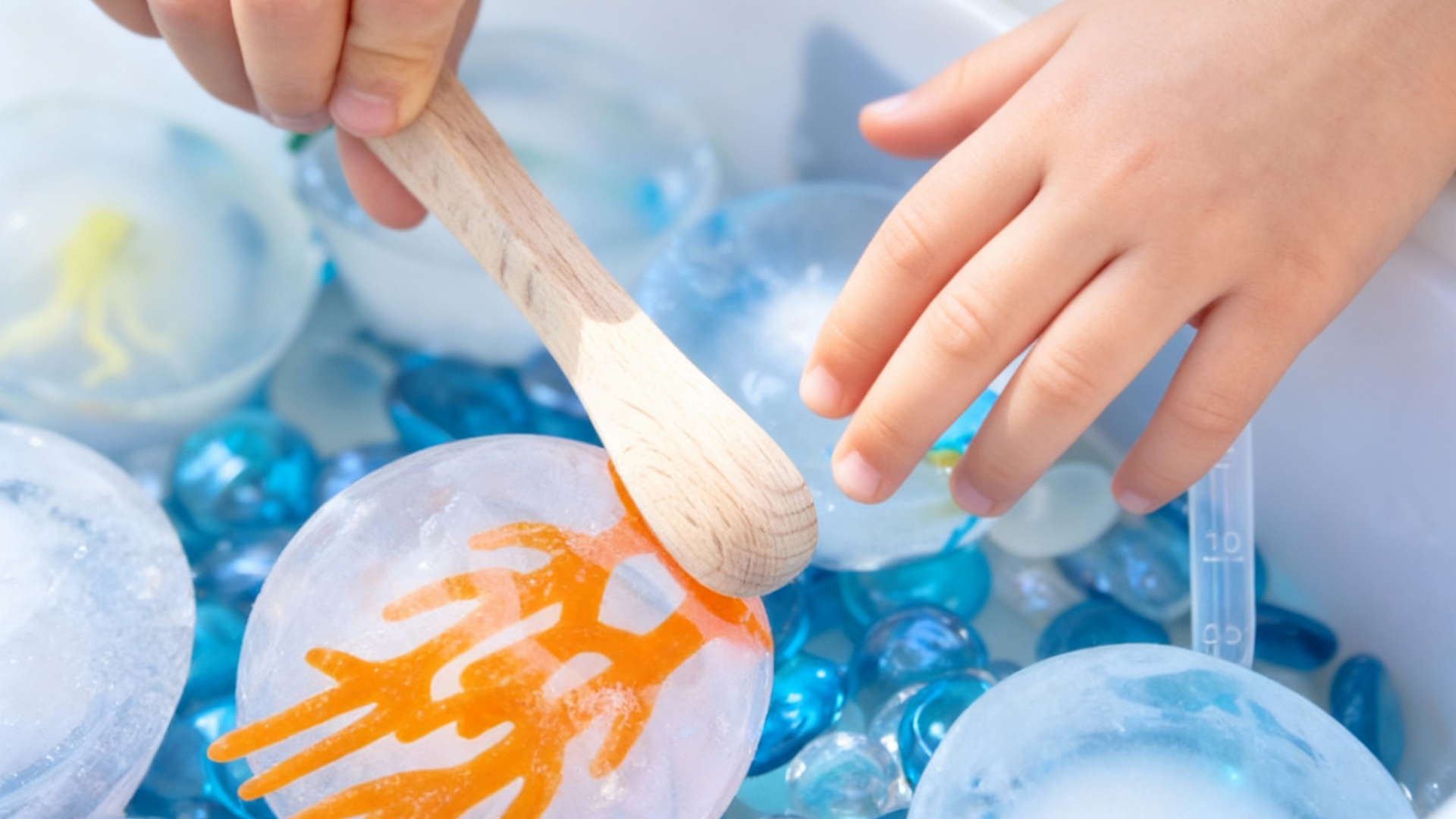
Freeze small toys in a block of ice. Toddlers can use warm water, spoons, or spray bottles to melt the ice.
How it helps:
- Introduces basic science concepts
- Builds patience
- Encourages problem-solving
Tip: Do this outside if you want less cleanup.
9. Sensory Walk Path
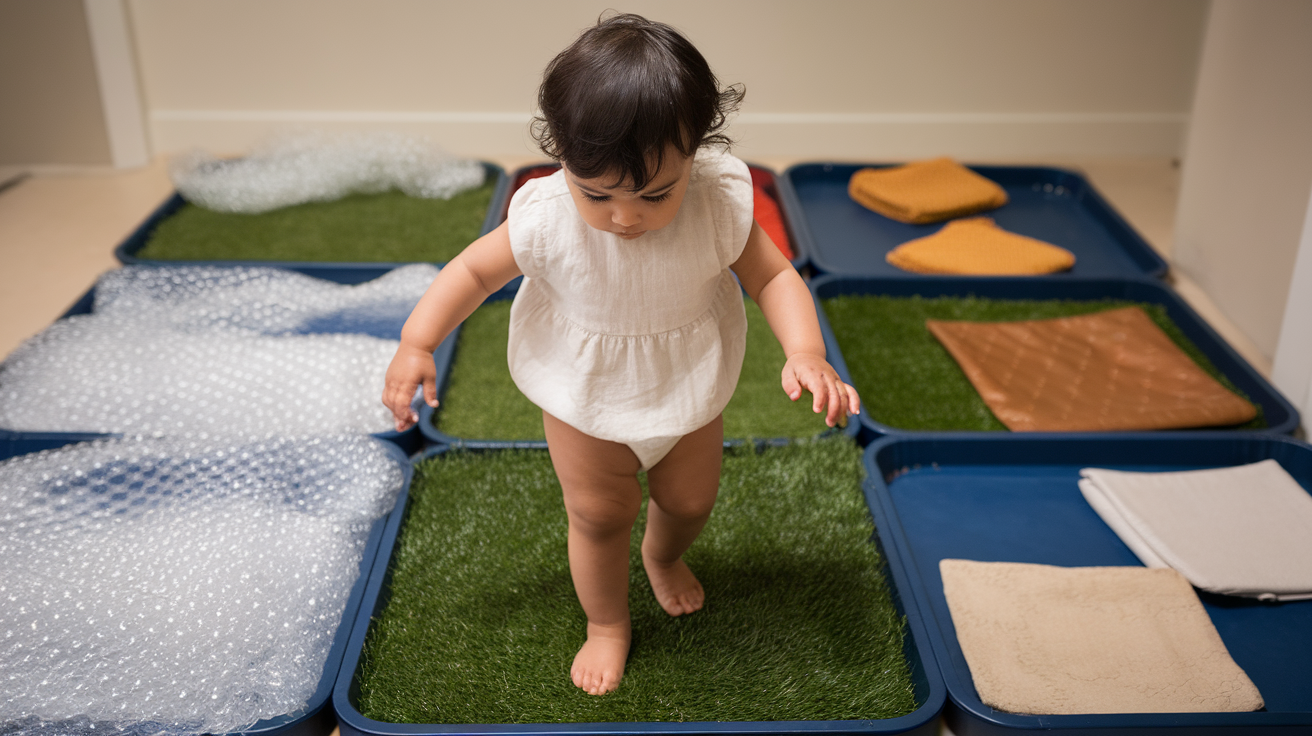
Create a simple path using shallow trays filled with different textures, such as fabric, foam, grass mats, or bubble wrap. Toddlers can walk barefoot across the trays.
How it helps:
- Supports balance and body awareness
- Teaches differences between soft, rough, smooth, and bumpy surfaces
- Encourages movement
Tip: Hold a toddler’s hand if needed for support.
10. Pom-Pom Push and Sort
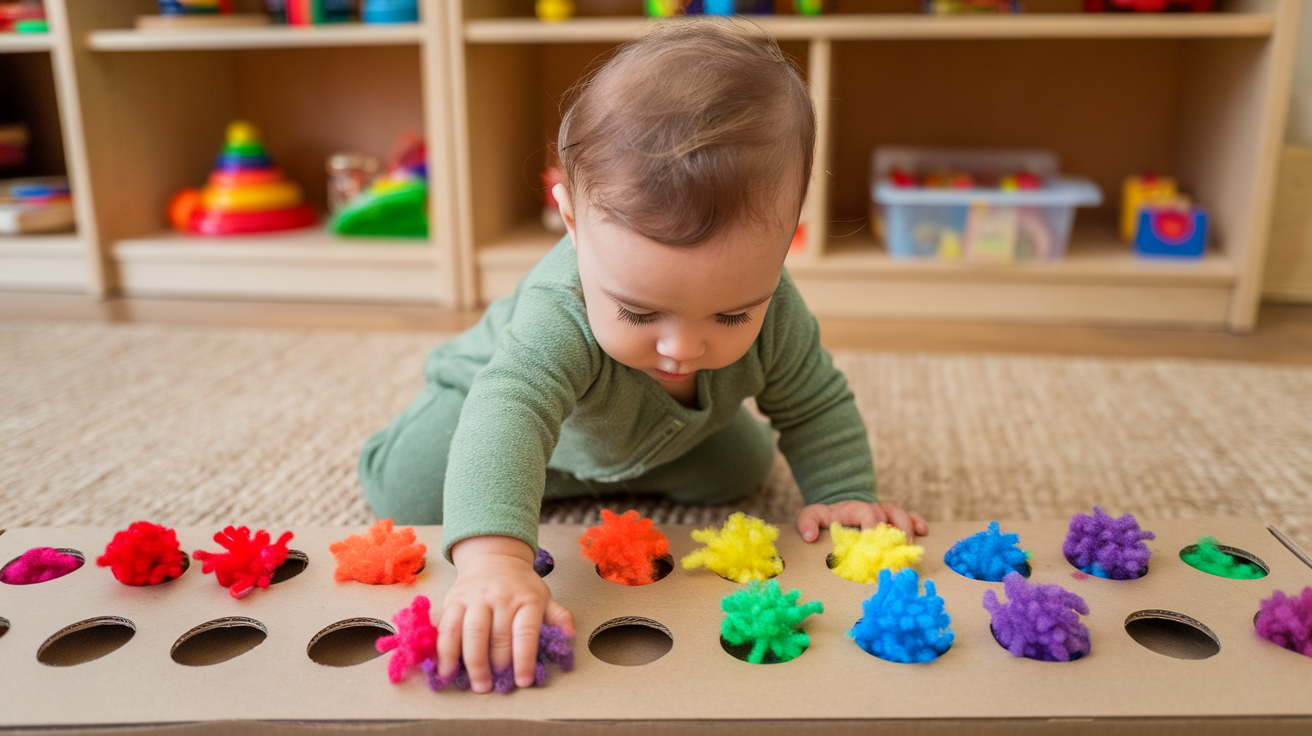
Cut holes in a cardboard box or plastic lid. Toddlers can push soft pom-poms through the holes or sort them into small cups.
How it helps:
- Builds finger control
- Supports matching and sorting skills
- Encourages focus
Tip: Use larger pom-poms for younger toddlers.
11. Shaving Cream Art
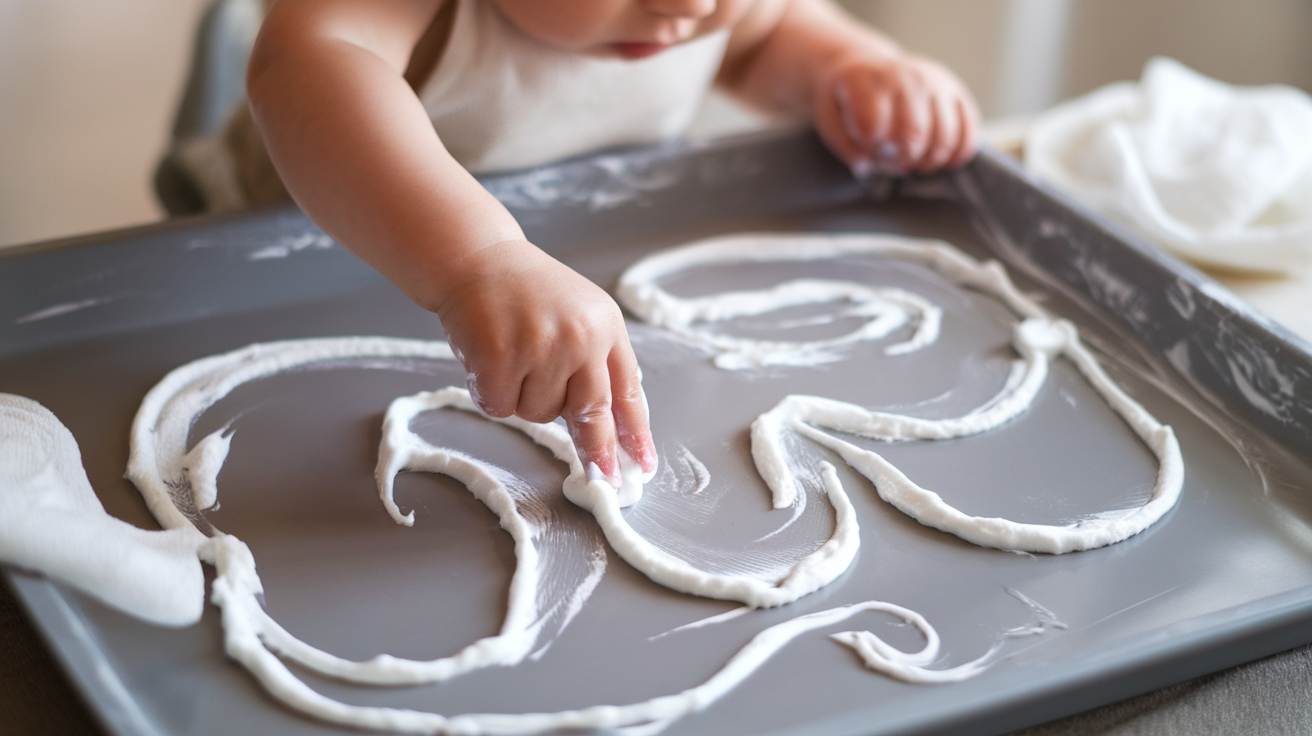
Spread a small amount of shaving cream on a tray or table. Toddlers can draw, swirl, and press shapes into the foam.
How it helps:
- Builds sensory tolerance
- Encourages creativity
- Strengthens hand muscles
Tip: This can be messy. Keep wipes nearby. Make sure toddlers do not taste the foam.
12. Sound Shaker Bottles
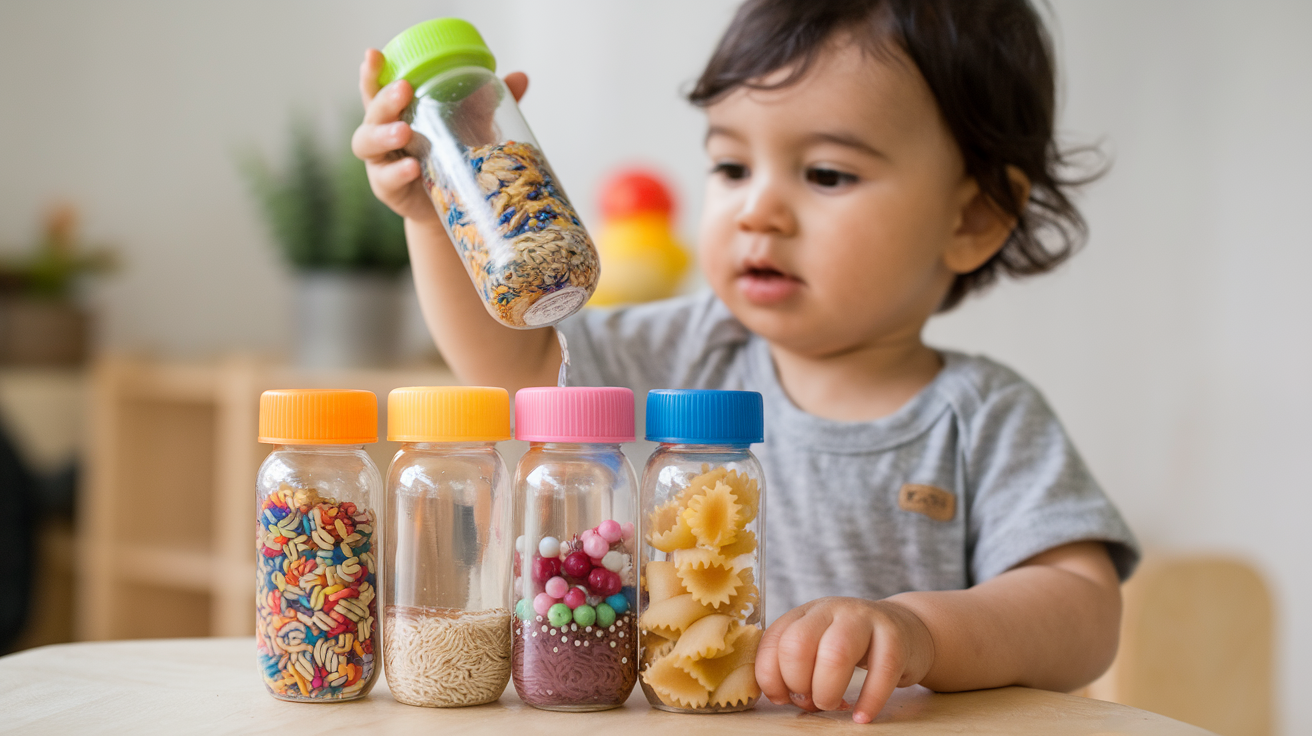
Fill empty bottles with items like rice, pasta, beads, or bells. Seal the lids tightly.
How it helps:
- Teaches cause and effect
- Supports rhythm and listening skills
- Encourages movement activities
Tip: Use strong tape to secure the lids for safety.
13. Scent Jars
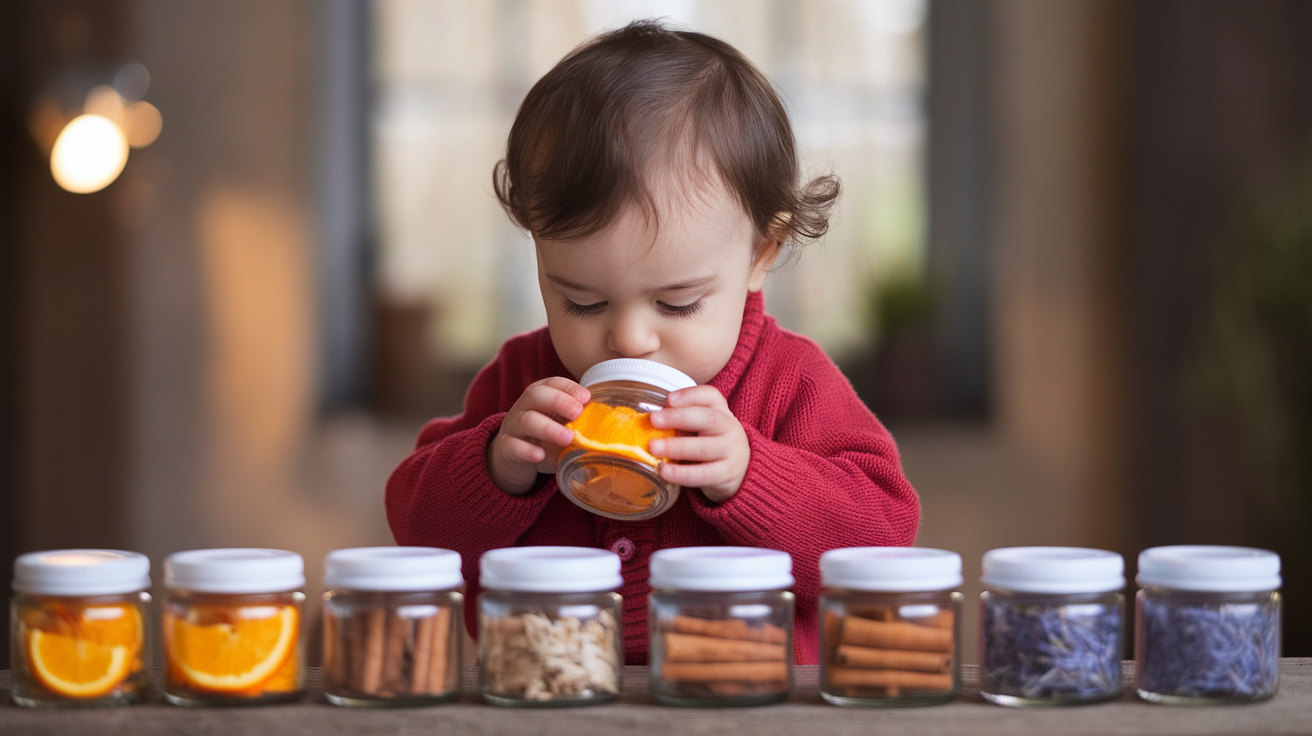
Use small jars with lids and fill them with items that have gentle smells, such as cinnamon sticks, orange peels, or lavender.
How it helps:
- Introduces scent-based sensory play
- Builds descriptive language
- Encourages curiosity
Tip: Do not use strong or harsh scents that may irritate the nose.
14. Pasta Play
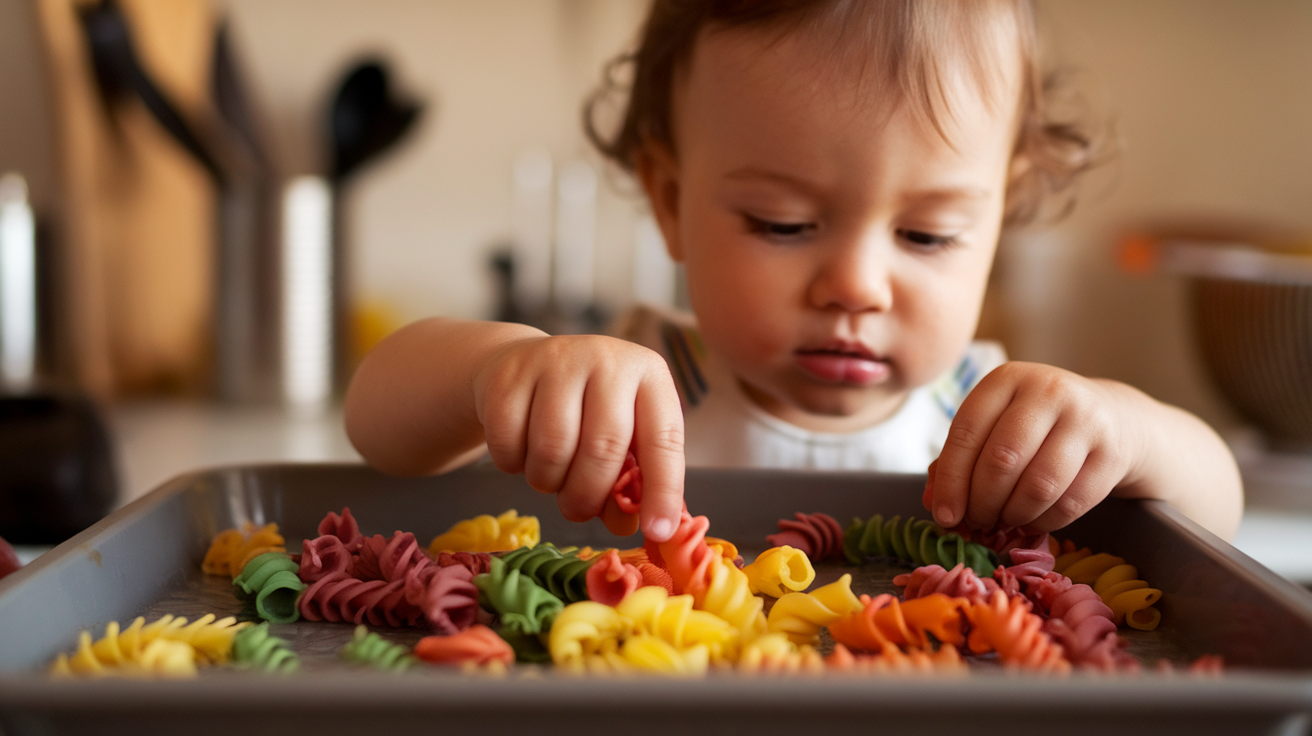
Cook pasta until soft, or use dry pasta for a crunchier texture. Add a bit of oil to cooked pasta to prevent sticking.
How it helps:
- Gives toddlers a new texture to feel
- Encourages pretend cooking
- Supports fine motor work
Tip: Use food coloring for color variety. Watch closely to prevent choking.
15. Sticky Wall Collage
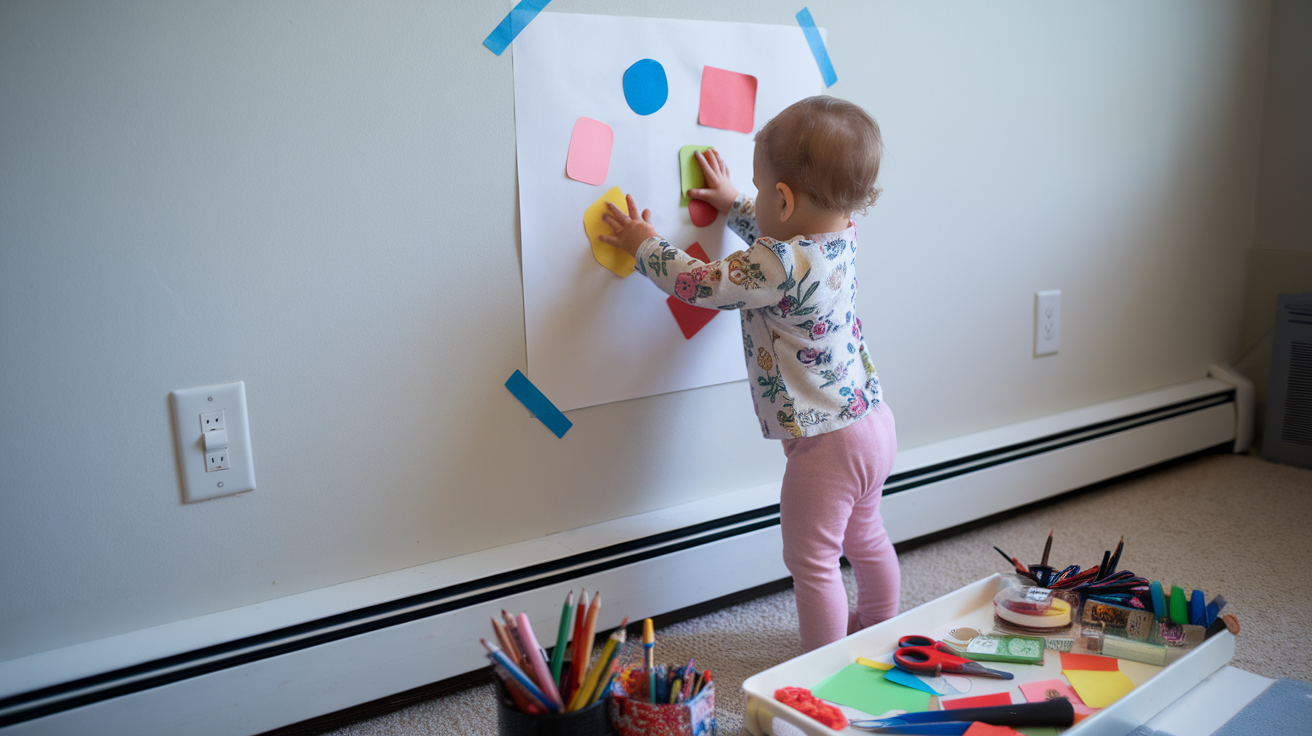
Tape clear contact paper to a wall, sticky side facing out. Provide light items like paper shapes, feathers, or yarn. Toddlers can press the items onto the sticky area.
How it helps:
- Builds shoulder and arm strength
- Encourages creative play
- Teaches simple design skills
Tip: Set the sticky wall at toddler height for easy access.
16. Mud Kitchen Play
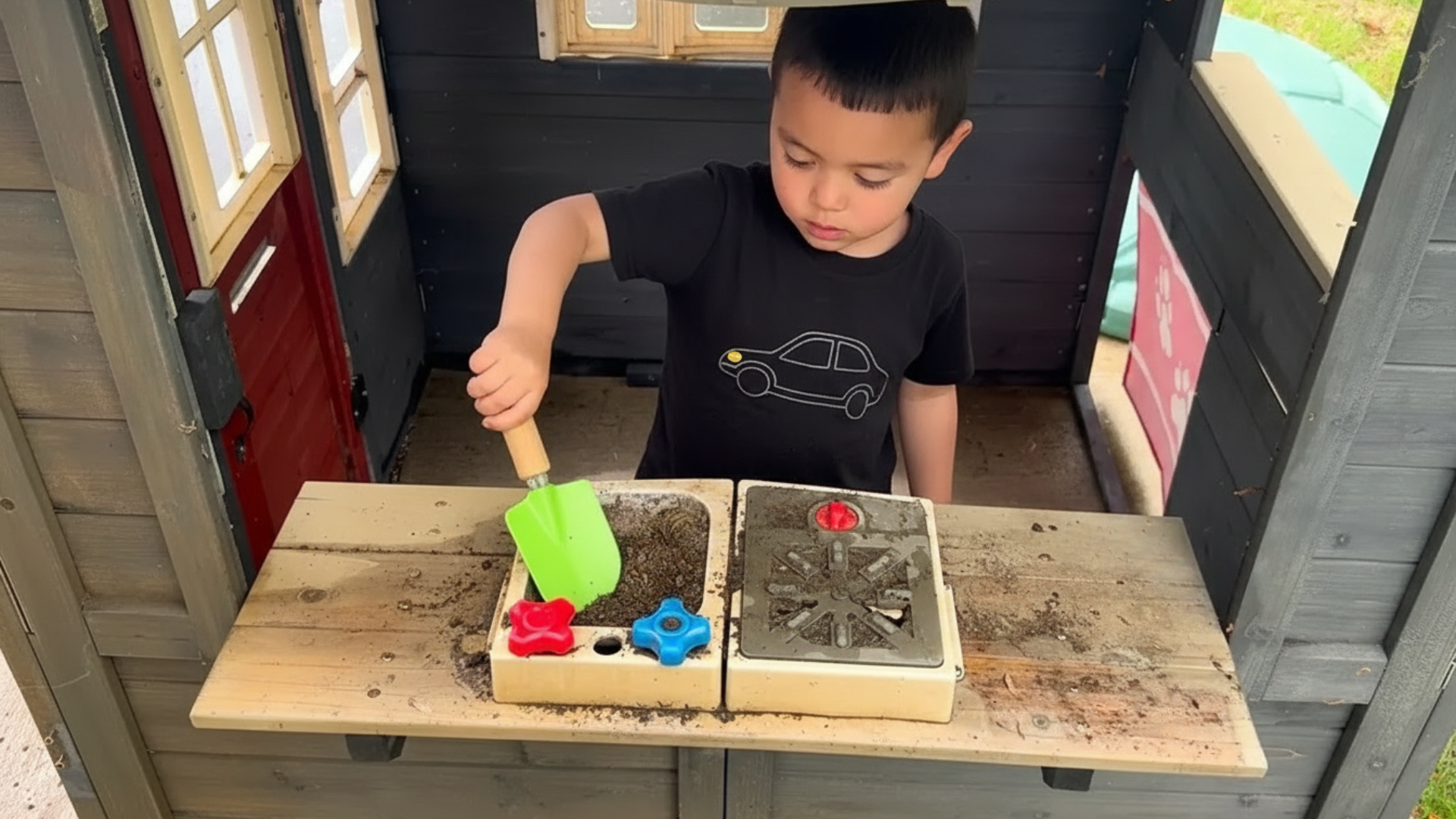
If you have an outdoor space, set up a small table with dirt, water, old pots, spoons, and bowls. Toddlers can make “mud pies” and pretend meals.
How it helps:
- Encourages pretend play
- Introduces natural textures
- Supports problem-solving and creativity
Tip: Dress toddlers in old clothes and keep a wash bucket nearby.
17. Balloon Play
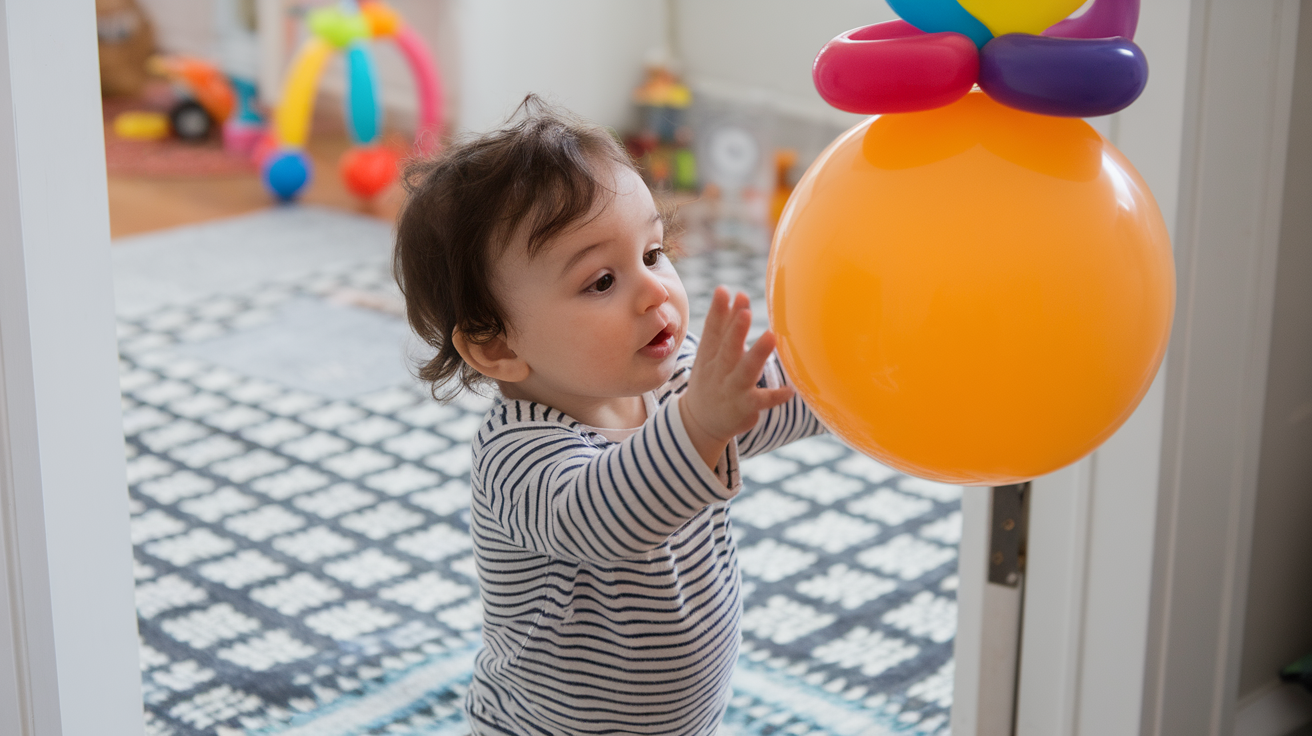
Blow up a balloon and gently bat it at your toddler. You can also tape a balloon to a string and hang it from a doorway.
How it helps:
- Builds coordination
- Encourages movement
- Helps toddlers track objects with their eyes
Tip: Always supervise closely, as popped balloons can be a choking hazard.
How to Set Up a Daily Sensory Play Routine
A daily routine for sensory play does not have to be complicated. Small steps can help toddlers enjoy hands-on activities every day while keeping things easy for parents and caregivers.
- Keep each session short, around 10–15 minutes.
- Choose one simple activity at a time to avoid overwhelm.
- Set up a small space for sensory play using a mat or tray.
- Rotate materials weekly to keep interest high.
- Follow the toddler’s lead and adjust activities based on their mood.
- Keep tools and materials in a small basket for quick access.
- Use calm transitions before and after playtime.
- Clean up together to build helpful habits.
Safety Tips for Sensory Play
Safety matters in every sensory activity, and a few simple steps can help keep toddlers protected while they learn and play.
- Close supervision: Always stay near your toddler during sensory play.
- Age-appropriate materials: Pick items that are safe for your toddler’s age and skill level.
- Check for choking risks: Avoid small parts that can fit into the mouth.
- Use non-toxic items: Choose safe materials, especially for activities that may get messy.
- Watch for allergies: Be mindful of food or scent allergies before starting.
- Keep the area clean: Set up a clear, clutter-free space to prevent slips or spills.
- Set simple rules: Teach gentle touching, no throwing, and safe handling of tools.
To Conclude
Sensory play is an easy way to bring learning into everyday life. Toddlers grow when they touch, move, and try new things, and these activities help support that growth.
The ideas in this guide show how simple tools can lead to meaningful play. Each activity gives toddlers a chance to build skills, stay focused, and enjoy calm moments.
Sensory play also helps adults connect with toddlers in a warm and relaxed way. A few minutes each day can make playtime more fun and learning more natural.
Start with one activity from this list and enjoy a playful moment with your toddler today.


