
How We Turned Our Backyard Into a Hummingbird Spot the Whole Family Loves
For a long time, our backyard was just something we maintained. The kids ran through it, toys were everywhere, and I treated it like another item on my weekly checklist. I didn’t think of it as a place where we slowed down or really noticed much—until one small question changed the way we looked at it.
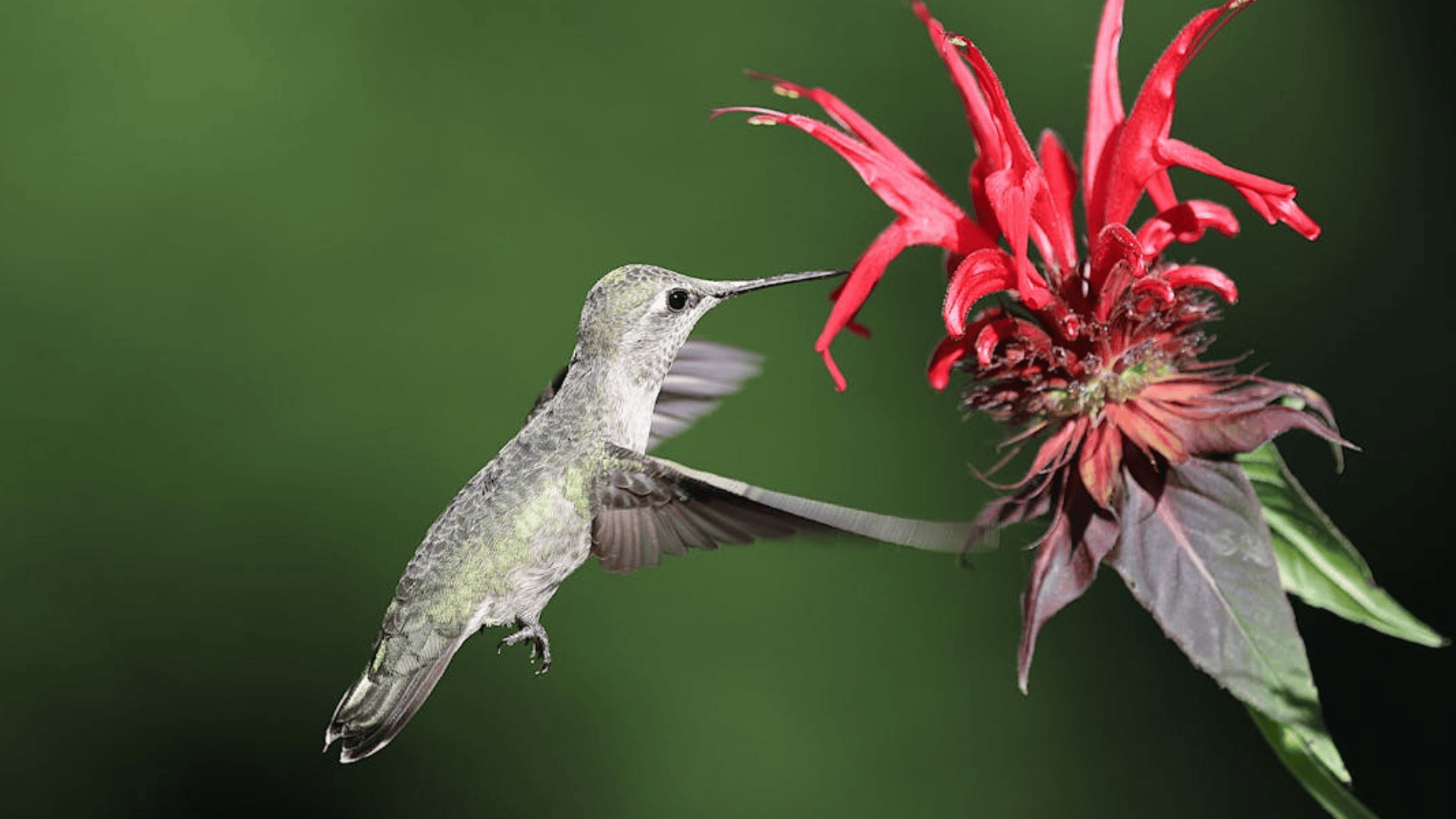
One afternoon, while we were outside planting a few flowers, my youngest asked why we never saw hummingbirds in our yard when our neighbor always seemed to have them. I didn’t have a good answer. We had plants and space, but clearly our backyard wasn’t giving birds much of a reason to stop.
I didn’t want to turn this into a big project or something that felt overwhelming. So instead of trying to fix everything at once, we decided to make a few small changes and see where they led.
Letting the Backyard Become a Place We Actually Noticed
The first thing we did was slow down and pay attention. We noticed which parts of the yard stayed quiet during the day, where the afternoon shade landed, and where the kids naturally liked to sit. I stopped trying to keep everything perfectly trimmed and let some areas grow a little more freely.
That alone changed the feel of the space. Within a couple of weeks, we started noticing more life. Bees came first, then butterflies. The kids began checking the backyard every morning, half-expecting something new to show up.
There were still no hummingbirds, but the yard felt calmer and more inviting. It didn’t feel staged anymore—it felt lived in. Even before we added anything new, the kids were already more curious about what might show up next.
Adding a Feeder Without Turning It Into a Chore
When the flowers started struggling during a particularly hot stretch, we talked about adding a feeder. Not as the main attraction, but as something that could support the garden when the plants weren’t enough. I was careful about this decision because I didn’t want a hummingbird feeder to become another thing we had to manage perfectly.
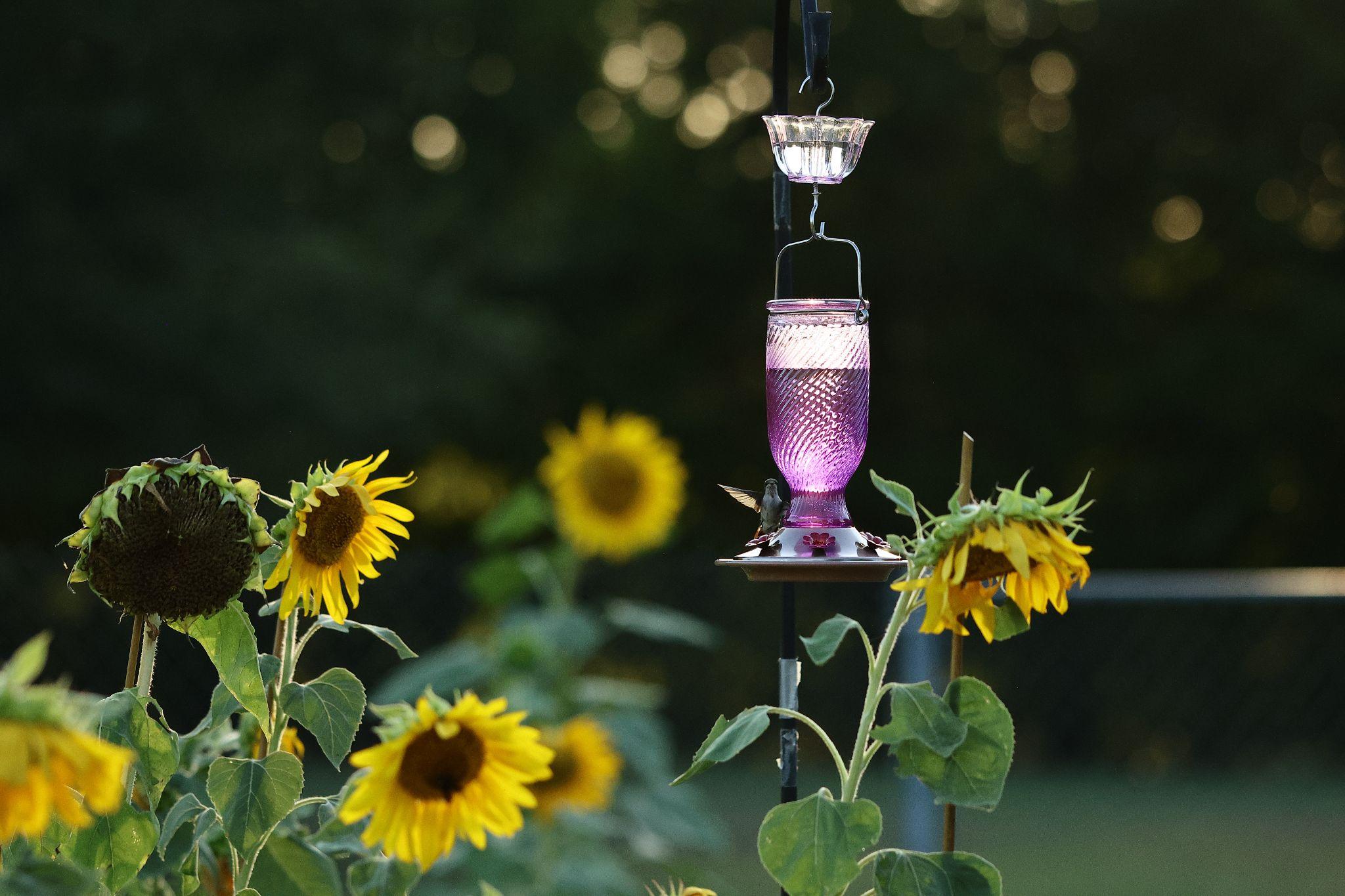
We chose a simple feeder from kingsyard mostly because it felt practical. It didn’t overpower the space, and it looked easy to clean, which mattered more to me than how decorative it was. We placed it in the same quiet corner near the plants and made one rule early on: if we couldn’t keep it clean, we’d take it down.
Almost immediately, the kids became invested. They noticed patterns before I did. One hummingbird came early in the morning. Another hovered briefly and disappeared. Watching those small routines became part of our day without us trying to make it so.
Having a bird feeder for hummingbirds gave us a reason to pause outside, even on busy days when we only had a few minutes. Some days we watched longer. Other days we just glanced out the window. Either way, it felt natural rather than forced.
How This Became Part of Our Family Routine
We weren’t perfect about it, and I didn’t try to be. Some weeks we cleaned the feeder right on schedule. Other weeks we forgot and decided to take the kingsyard hummingbird feeder down for a few days instead. Treating this as a flexible routine rather than a commitment helped it last.
The kids learned responsibility in a quiet, unexpected way. They reminded me when it was time to clean the feeder, and they also understood when it needed to come down. Over time, the feeder became less about attracting birds and more about caring for something together.
The backyard started to feel different. The kids lingered outside longer. I noticed more. And the hummingbirds didn’t just show up once—they came back. That’s what made the experience feel meaningful rather than random.
What worked for our family wasn’t doing more. It was keeping things simple and consistent. We didn’t move the feeder around constantly. We didn’t add more than we could handle. We let the birds decide how often they wanted to visit.
Our backyard still isn’t perfect, and it doesn’t need to be. It feels welcoming now—not just for us, but for the small visitors that pass through it.
If you’re thinking about doing something similar, my biggest advice is not to overthink it. Start with curiosity. Make one small change. See how your family responds, and see what shows up.
Sometimes the best backyard moments happen when you stop trying to create something and simply give it room to grow.


