
15 New Year’s Eve Traditions from Around the World
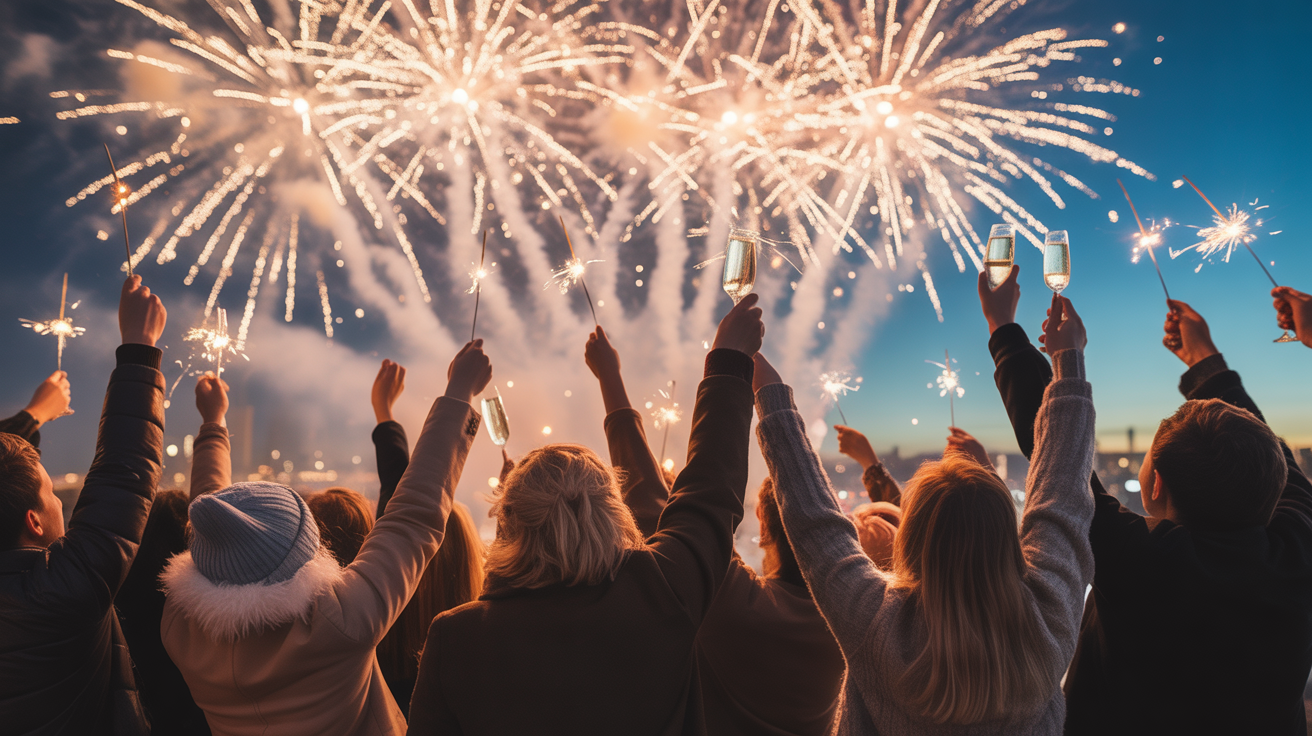
Did you know some people eat ashes at midnight while others smash fruit on their doorsteps?
New Year’s Eve traditions look wildly different depending on where you are. While you might be used to champagne and fireworks, people across the globe have their own special ways to welcome January 1st.
Some customs promise good luck. Others chase away bad energy. Many are just plain fun.
These traditions connect us to something bigger than ourselves. They remind us that hope is universal. Everyone wants a fresh start when the calendar flips.
Ready to learn how the world celebrates?
Here are fascinating New Year’s Eve traditions from around the globe that might inspire your own celebration.
Who knows? You might find a new favorite ritual to try this year.
New Year’s Eve Traditions Around the World
From eating grapes in Spain to jumping over waves in Brazil, discover how different cultures celebrate the start of a new year with fascinating customs that bring luck, prosperity, and joy.
1. Spain: Eating 12 Grapes at Midnight
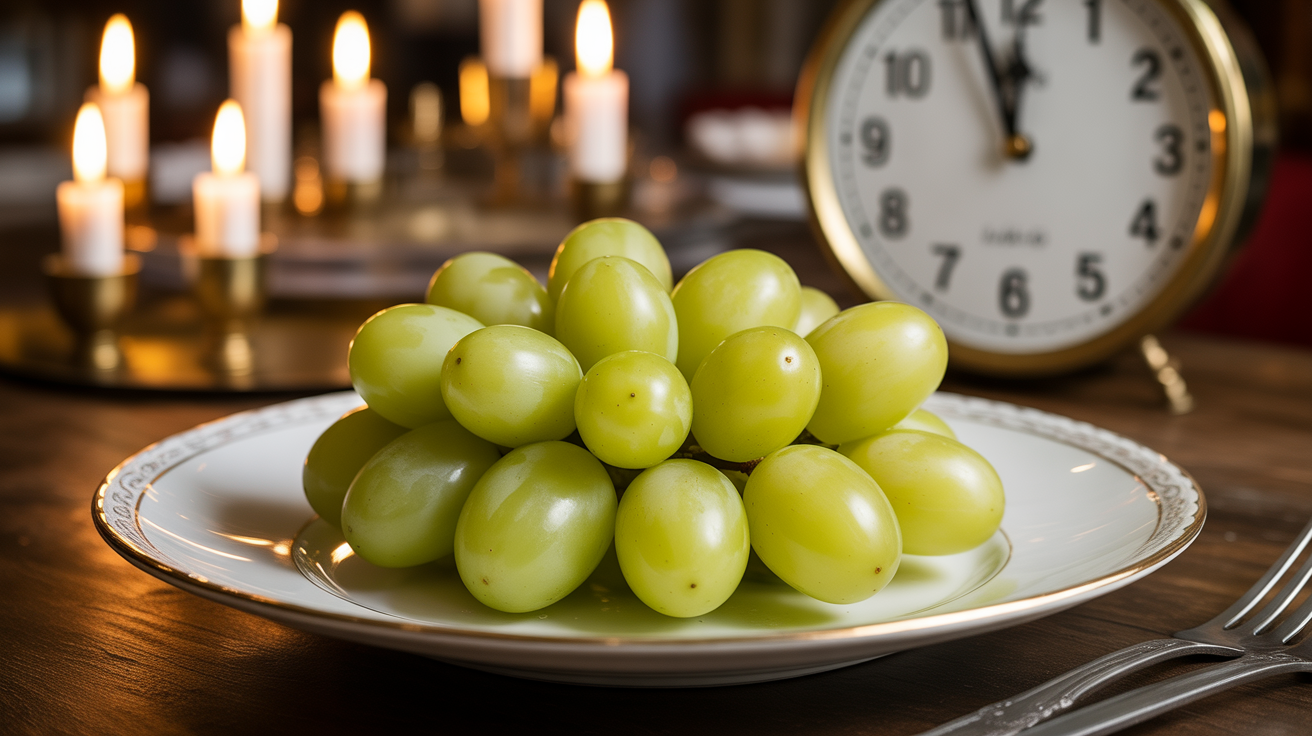
One grape for each month, eaten with each clock chime.
What This Tradition Means:
Spaniards eat 12 grapes as the clock strikes midnight for good fortune. Portugal and Latin American countries like Colombia also follow this sweet custom.
How It’s Done:
Stand ready with 12 grapes before midnight strikes. As the clock chimes 12 times, eat one grape with each bell. You must finish all grapes before the final chime ends.
Each grape represents one month of the coming year. If you succeed, good fortune awaits. If you fail to finish in time, bad luck may follow.
The tradition began in 1909 when Spain had a huge grape harvest. Farmers needed to sell extra grapes, so they created this lucky custom.
Today, families gather in central squares or at home to share this moment.
2. Italy: Wearing Red Underwear
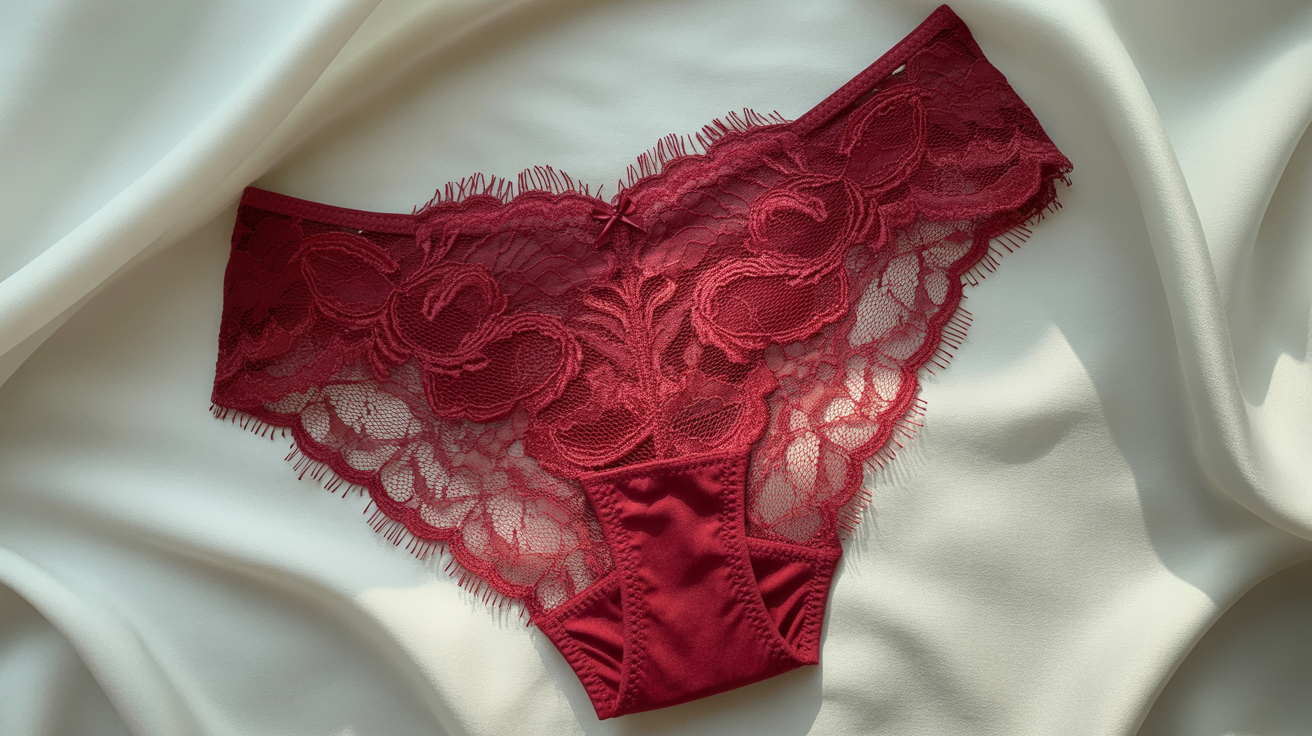
Red undergarments bring love and romance for the year ahead.
What This Tradition Means:
Italians believe wearing red underwear on New Year’s Eve attracts love and success. This tradition dates back to Roman times, when red symbolized good fortune.
How It’s Done:
Buy new red underwear before December 31st. The underwear must be a gift from someone else for maximum luck. Wear it as midnight approaches.
At the stroke of twelve, the red color activates its power. Some Italians follow the old custom of throwing away the underwear the next day. This symbolizes leaving the old year behind completely.
The tradition remains popular across Italy. Lingerie shops sell special red sets every December. Friends and family exchange these gifts as tokens of affection and wishes for romance.
3. Denmark: Smashing Plates on Doorsteps
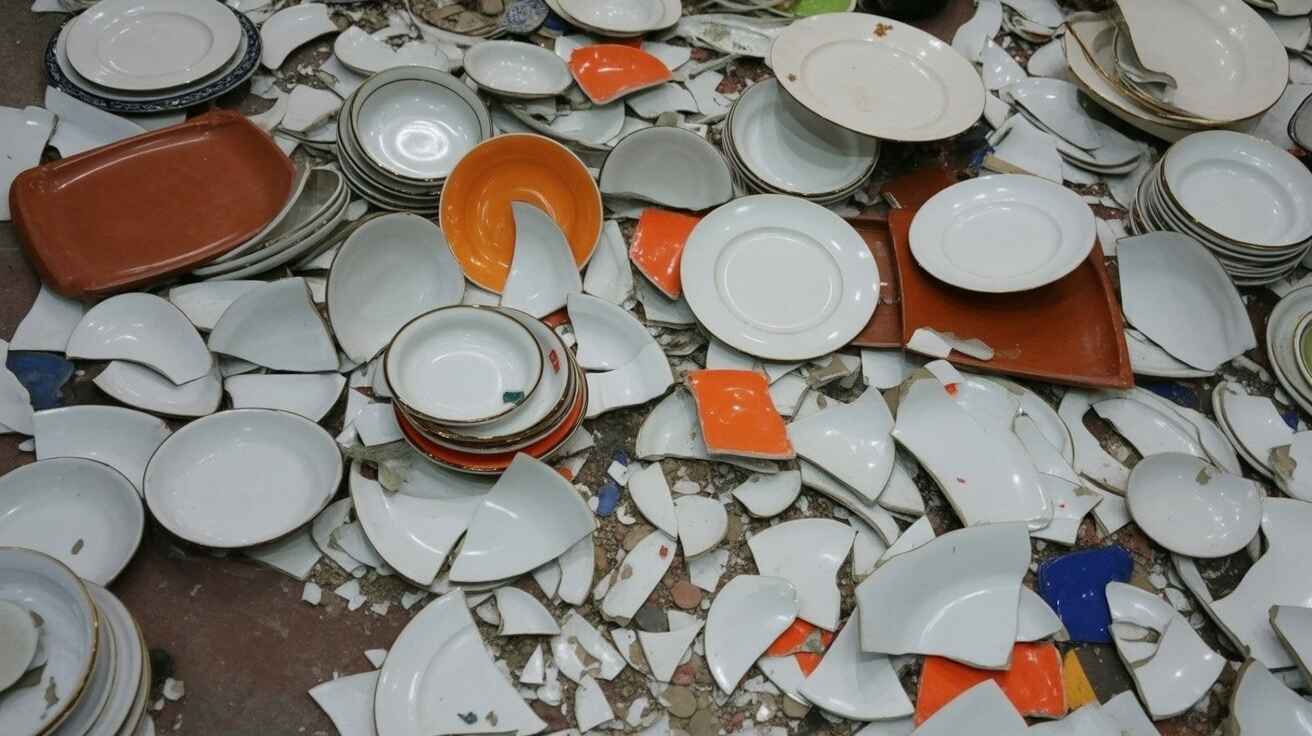
Breaking dishes at friends’ homes shows love and brings good luck.
What This Tradition Means
Danes throw old plates at friends’ doors to banish evil spirits. More broken pieces outside your home mean you have more friends who care about you.
How It’s Done:
Save old plates and glasses throughout the year. On New Year’s Eve, visit friends and family homes. Throw the dishes against their front doors to create loud crashes. The sound scares away evil spirits and bad energy.
Wake up on January 1st to find broken ceramic pieces outside your door. Count the shards to see how many friends care about you.
More pieces mean more luck in the coming year. Just remember to clean up the mess afterward.
4. Denmark: Jumping Off Chairs at Midnight

Leap into the new year with both feet off the ground.
What This Tradition Means:
Danish families stand on chairs and jump off at midnight to enter January with joy. Forgetting to jump is considered bad luck for the entire year.
How It’s Done:
Find a sturdy chair or couch before the countdown begins. Make sure it can support your weight safely. Wait for the clock to reach 11:59 PM.
As the final seconds tick away, climb onto your seat. When midnight strikes, jump off with enthusiasm. Land on both feet in the new year.
This tradition is called “Hoppe ind i det nye år” in Danish. It means “jumping into the new year.” Families laugh and jump together. The shared moment creates fun memories and symbolizes hope for better days ahead.
5. Scotland: First Footing with Gifts

The first visitor after midnight brings symbolic presents for good fortune.
What This Tradition Means:
Scots practice “first footing” during Hogmanay celebrations, where the first person crossing your threshold after midnight determines your yearly luck. A tall, dark-haired man traditionally brings the best fortune.
How It’s Done:
Choose your first footer before midnight arrives. Tradition favors a tall, dark-haired man. This dates back to Viking invasions when fair-haired visitors meant danger.
The first footer carries symbolic gifts:
- Coal for warmth and heat
- Salt for flavor in food
- Shortbread for sustenance
- Whisky for good cheer
After midnight strikes, the chosen person knocks on the door. The family welcomes them with warm hospitality. The visitor places gifts inside the home.
Some modern families have someone step outside just before twelve, then return as the first footer.
6. Japan: Deep Cleaning the House
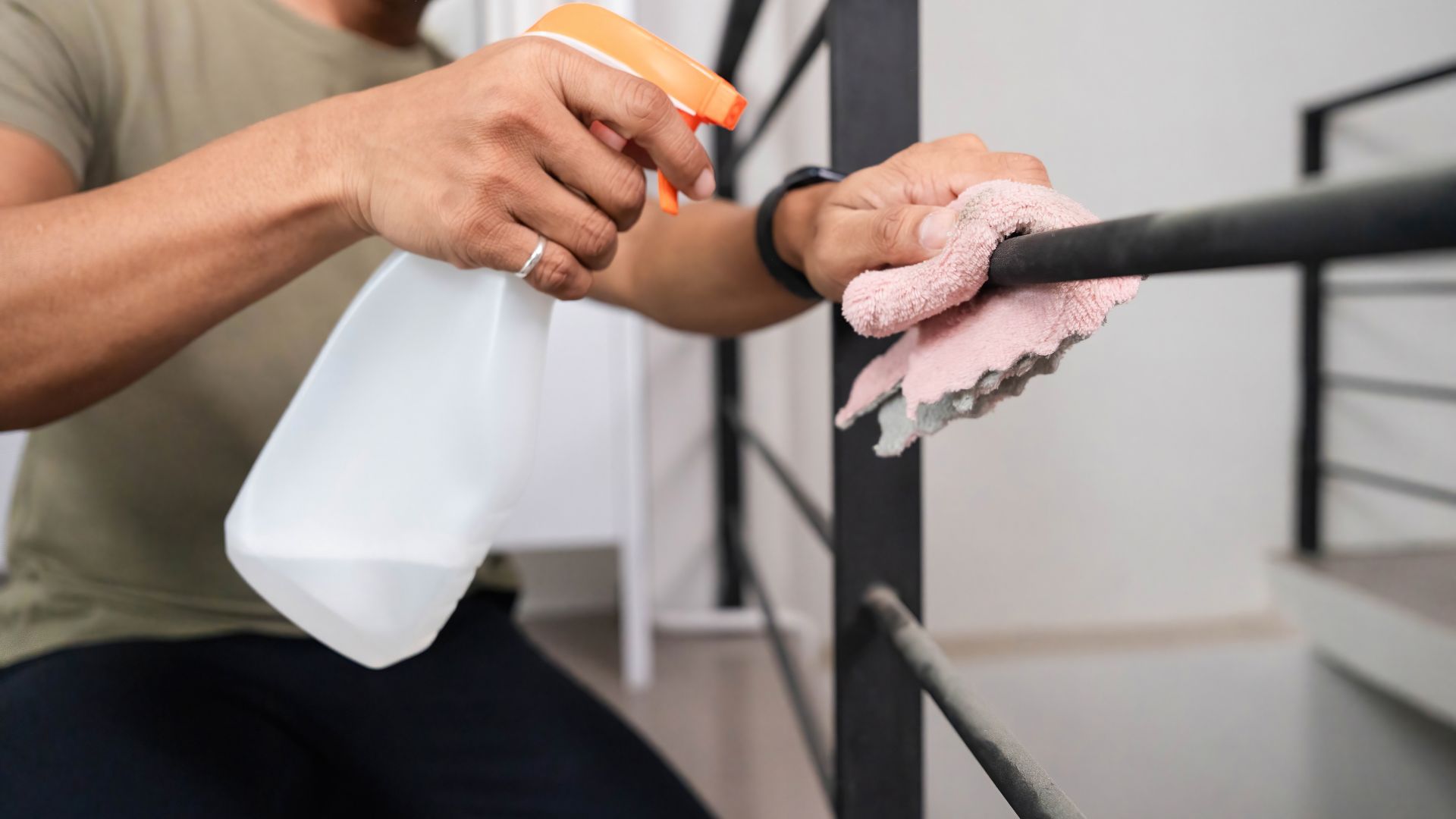
Scrub away the old year to welcome fresh energy.
What This Tradition Means:
Japanese families perform “osouji” or deep cleaning on December 31st to welcome Toshigami, the god of the new year. A clean home invites prosperity and removes negative energy.
How It’s Done:
Begin cleaning early on December 31st. Some families start days before. Clean every corner from ceiling to floor.
Wash windows until they shine. Organize closets and drawers. Throw away broken or unused items. Dust shelves and furniture thoroughly.
The cleaning prepares the home for Toshigami’s arrival. Japanese families believe the deity visits clean homes to bring blessings.
After cleaning, homes feel renewed and ready for fresh beginnings. This practice symbolizes leaving problems in the past year.
7. United States: Watching the Ball Drop
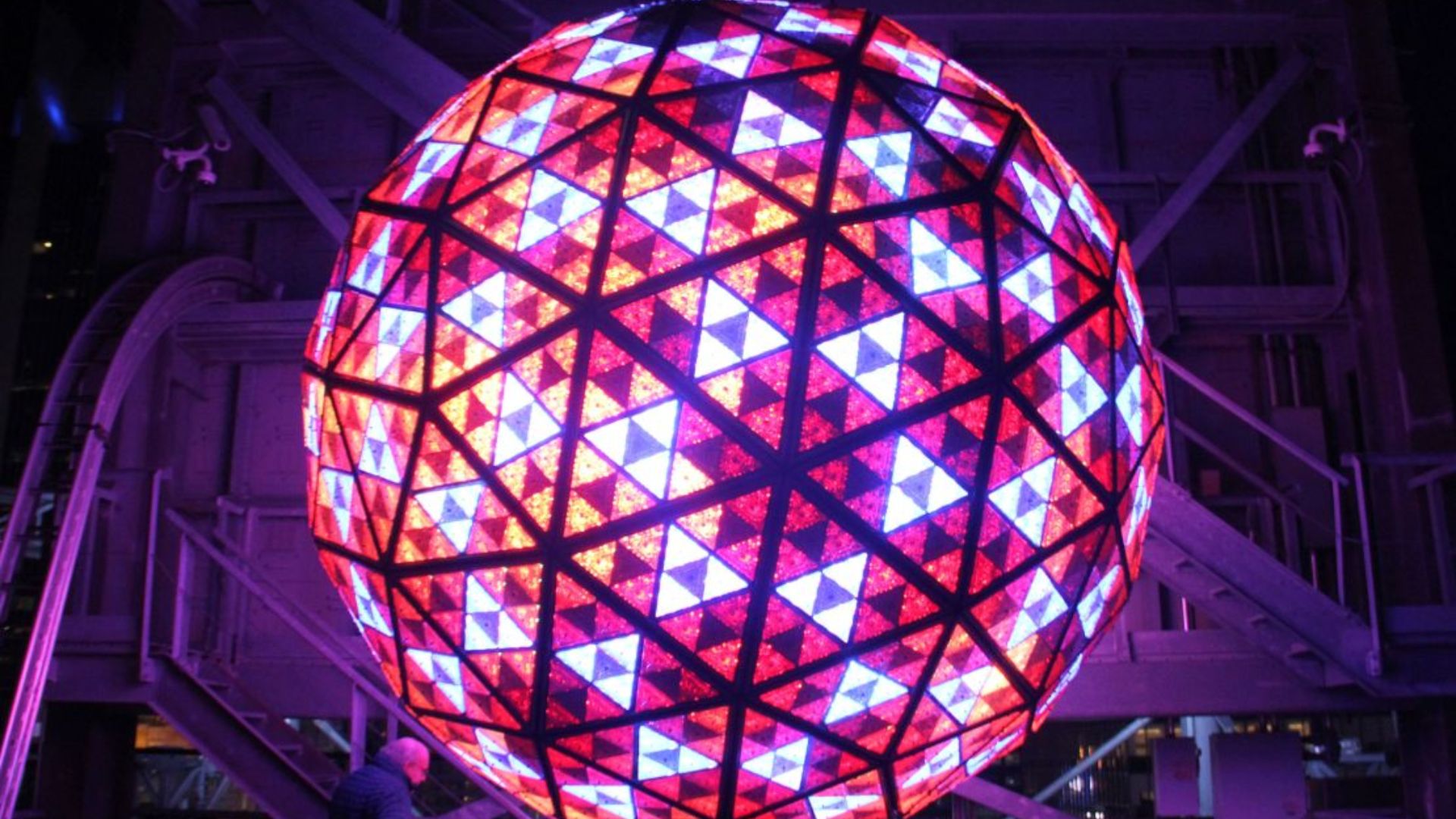
Millions gather to see the famous sphere descend in Times Square.
What This Tradition Means:
This iconic American tradition connects people worldwide as they count down together. The United States, particularly New York City, made this celebration famous.
How It’s Done:
The tradition began in 1907 in Times Square, New York. A large illuminated ball sits atop a building on Broadway. At 11:59 PM, the ball starts its 60-second descent down a pole.
Today, the ball is 12 feet wide and weighs nearly 12,000 pounds. It’s covered in thousands of crystal triangles and LED lights. Hundreds of thousands gather in Times Square for hours, waiting in the cold. Over one billion people watch on television worldwide.
As the ball reaches the bottom at midnight, fireworks explode, and people kiss their loved ones. The moment marks the official start of the new year in the Eastern Time Zone.
8. Russia: Making Wishes with Burning Paper
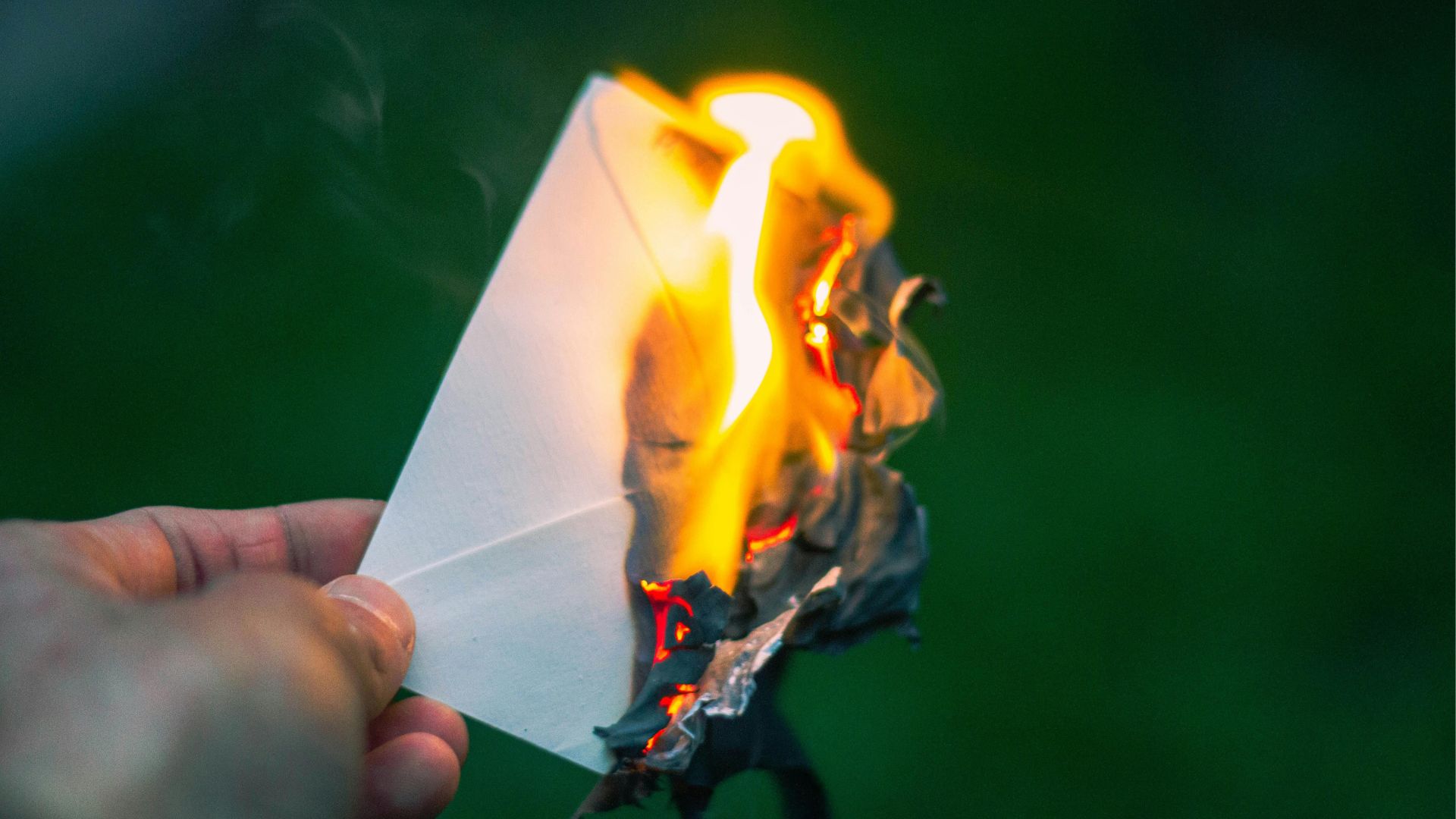
Please write down your hopes, burn them, and drink the ashes.
What This Tradition Means:
This unusual practice helps manifest your desires for the coming year. Russia and some other countries follow this tradition during midnight celebrations.
How It’s Done:
Before midnight, write your wish on a small piece of paper. Keep it secret for the best results. As the clock strikes 12, light the paper on fire using a candle.
Let the paper burn completely until only ashes remain. Drop the ashes into a glass of champagne or sparkling wine. Drink the entire glass, ashes included, before the clock stops chiming. The ashes carry your wish into your body, helping make it come true.
In Russia, people also spend 12 seconds of silence before midnight. They reflect on the past year’s important moments. This quiet time helps them appreciate what happened before looking forward.
9. Brazil: Jumping Over Seven Waves

Each wave brings a wish and honors the ocean goddess.
What This Tradition Means:
This beach tradition combines wishes with spiritual offerings. Brazil practices this beautiful custom along its coastline, especially on Copacabana Beach.
How It’s Done:
Wear white clothing to symbolize peace and harmony. Head to the beach before midnight. As the new year begins, wade into the ocean.
Jump over seven waves, one at a time. With each wave, make a wish or give thanks for something good from the past year: the number seven honors Iemanjá, the ocean goddess from Afro-Brazilian religions Candomblé and Umbanda.
After jumping the seventh wave, walk backward out of the water. Never turn your back on the sea until your feet touch dry sand. This prevents bad luck. Some people also place gifts on small boats and push them into the ocean as offerings.
10. Colombia: Carrying Empty Suitcases
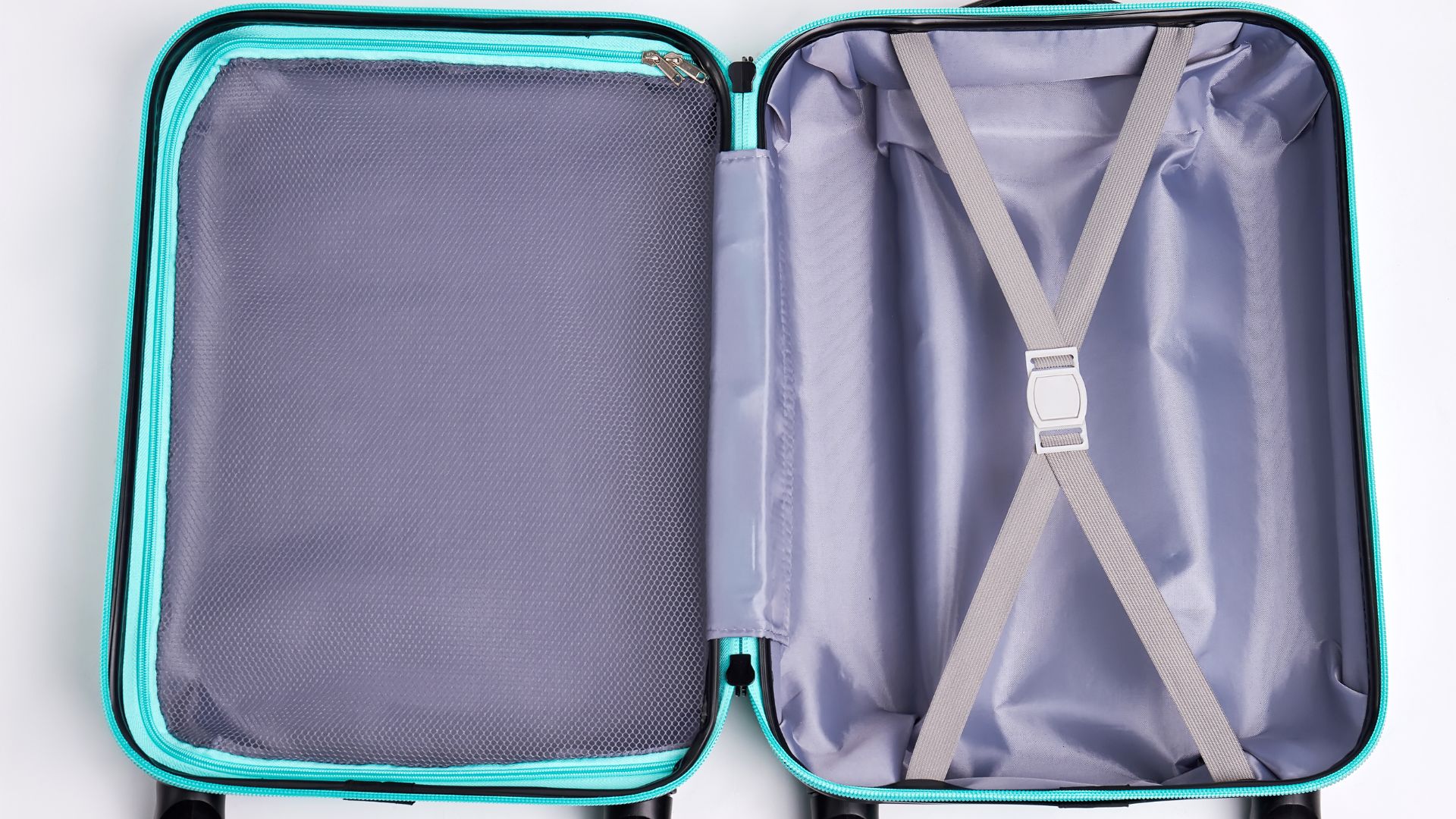
Walking around with luggage brings travel opportunities.
What This Tradition Means:
This practice invites adventure and travel into your life. Colombia, Mexico, and other Latin American countries follow this mobile tradition.
How It’s Done:
Grab an empty suitcase or travel bag before midnight. When the clock strikes 12, walk around the block carrying the luggage. Move as fast as you can.
Some people walk around their neighborhood. Others circle a room or their home. The empty suitcase symbolizes future trips and adventures. The faster you walk, the more travel luck you attract.
This tradition is perfect for anyone hoping to explore new places. Families with travel dreams make this a fun group activity. Pack nothing inside; the emptiness leaves room for future experiences to fill it.
11. Greece: Hanging Onions on Doors
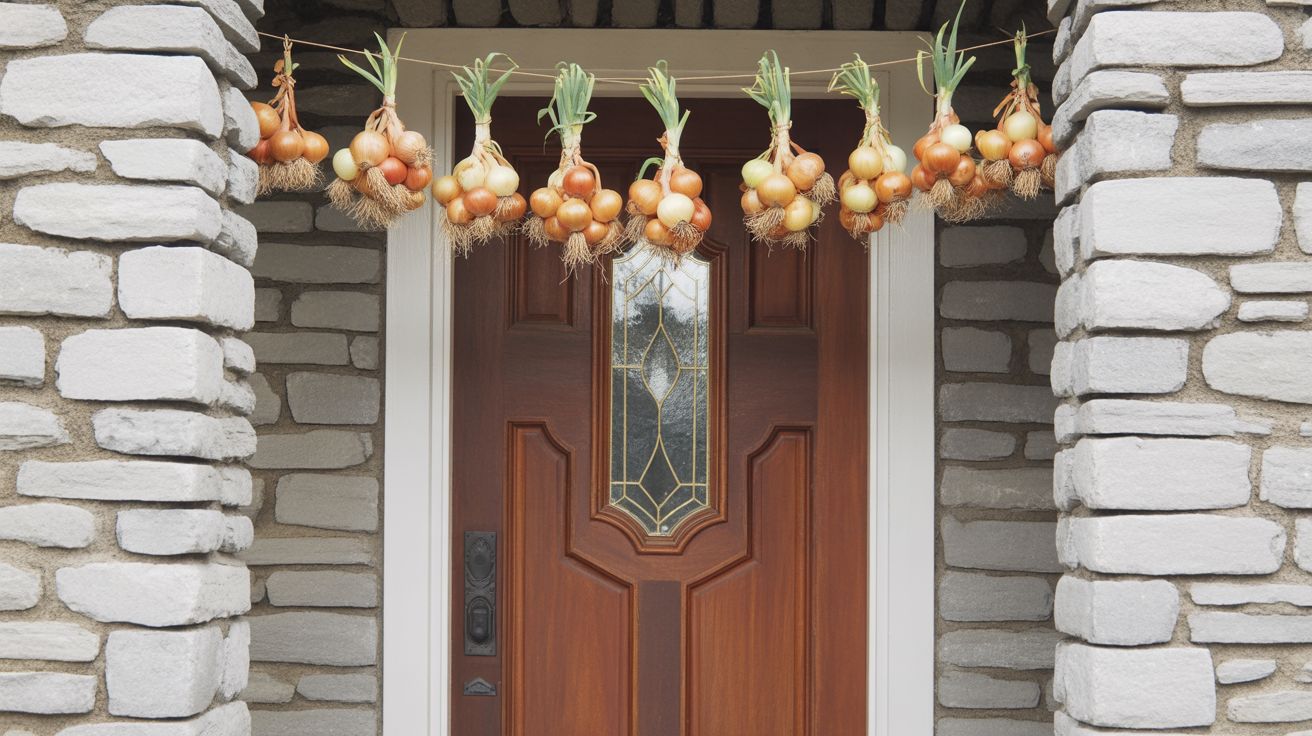
This vegetable symbolizes rebirth and continuous growth.
What This Tradition Means:
Onions represent prosperity because they grow even without attention. Greece follows this tradition to invite good fortune.
How It’s Done:
Hang a fresh onion or bunch of onions above your front door on New Year’s Eve. The onion stays there overnight, welcoming positive energy. Its layers represent the many blessings you hope to receive.
On New Year’s Day, Greek parents especially wake their children. They gently tap the onion on each child’s head. This playful gesture transfers good luck to the kids for the entire year.
The tradition connects to nature’s cycle. Just as onions sprout new growth, families hope for renewal and fresh opportunities. Some households leave the onion hanging for several days into January.
12. Greece: Breaking Pomegranates
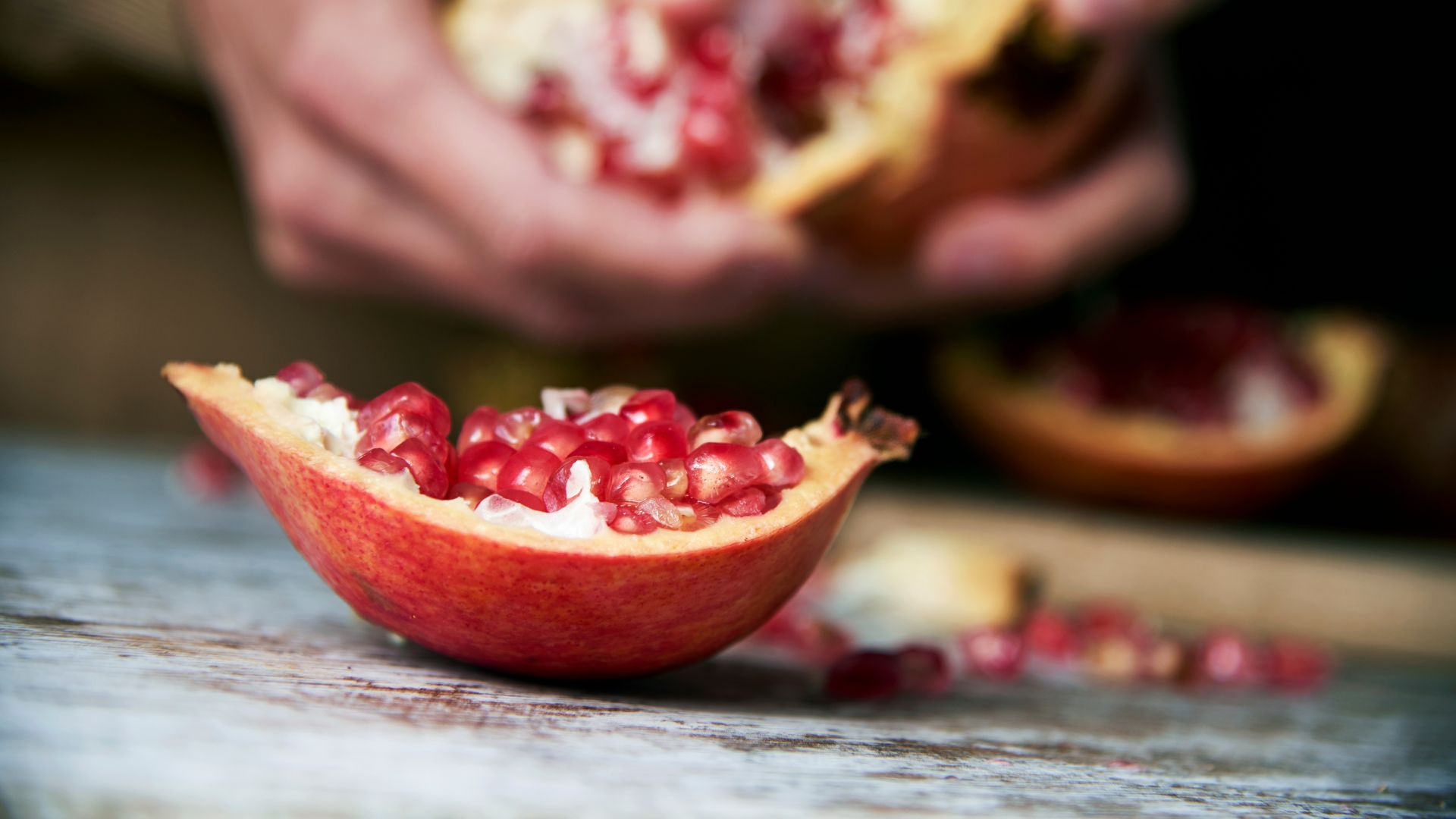
Smash this fruit to scatter seeds of abundance.
What This Tradition Means:
Each seed represents a blessing or piece of good fortune. Greece and Turkey practice this messy but meaningful tradition.
How It’s Done:
Select a ripe pomegranate before New Year’s Eve. Some families bring it to church for a blessing first. As midnight approaches, stand near your front door or outside your home.
When the clock strikes 12, throw the pomegranate forcefully against your doorstep or threshold. The fruit should break open completely. Seeds scatter everywhere across the ground.
Count the visible seeds. More seeds mean more good luck and prosperity for your household. The red juice symbolizes life and vitality. In some villages, families gift pomegranates to friends and neighbors as holiday presents.
13. Philippines: Displaying Round Fruits
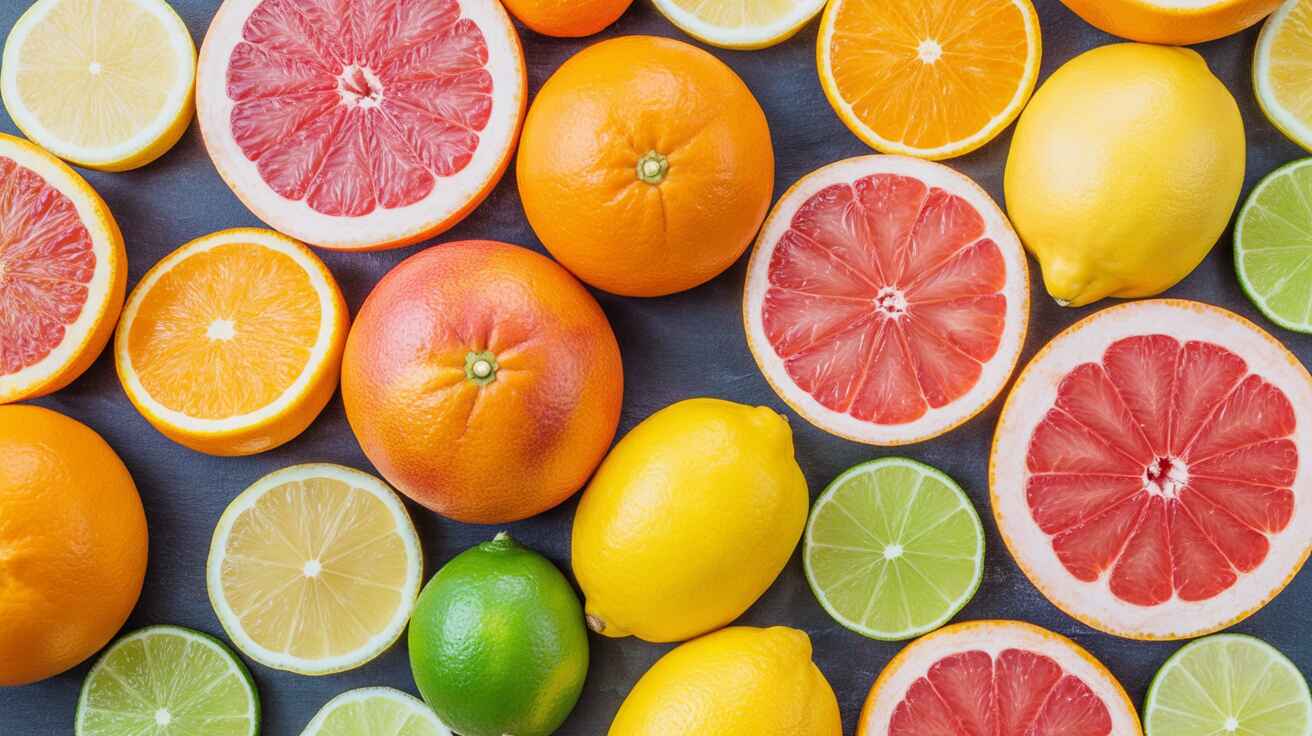
Twelve round fruits represent prosperity for each month.
What This Tradition Means:
Round shapes look like coins, attracting wealth and money. The Philippines celebrates with circular objects everywhere.
How It’s Done:
Choose 12 types of round fruits for your dining table. Options include:
- Oranges
- Apples
- Grapes
- Melons
- Watermelons
Arrange them in a beautiful display. Each fruit represents one month of the year. Different colors have meanings: green and purple for prosperity, yellow for happiness.
Take the tradition further by wearing polka dots on your clothing. Display coins on the table. Some families even carry round objects in their pockets. The more circular items around you, the better your financial luck.
Families share a large meal called “media noche” at midnight. The round fruits stay on display throughout the celebration.
14. Japan: Ringing Temple Bells 108 Times
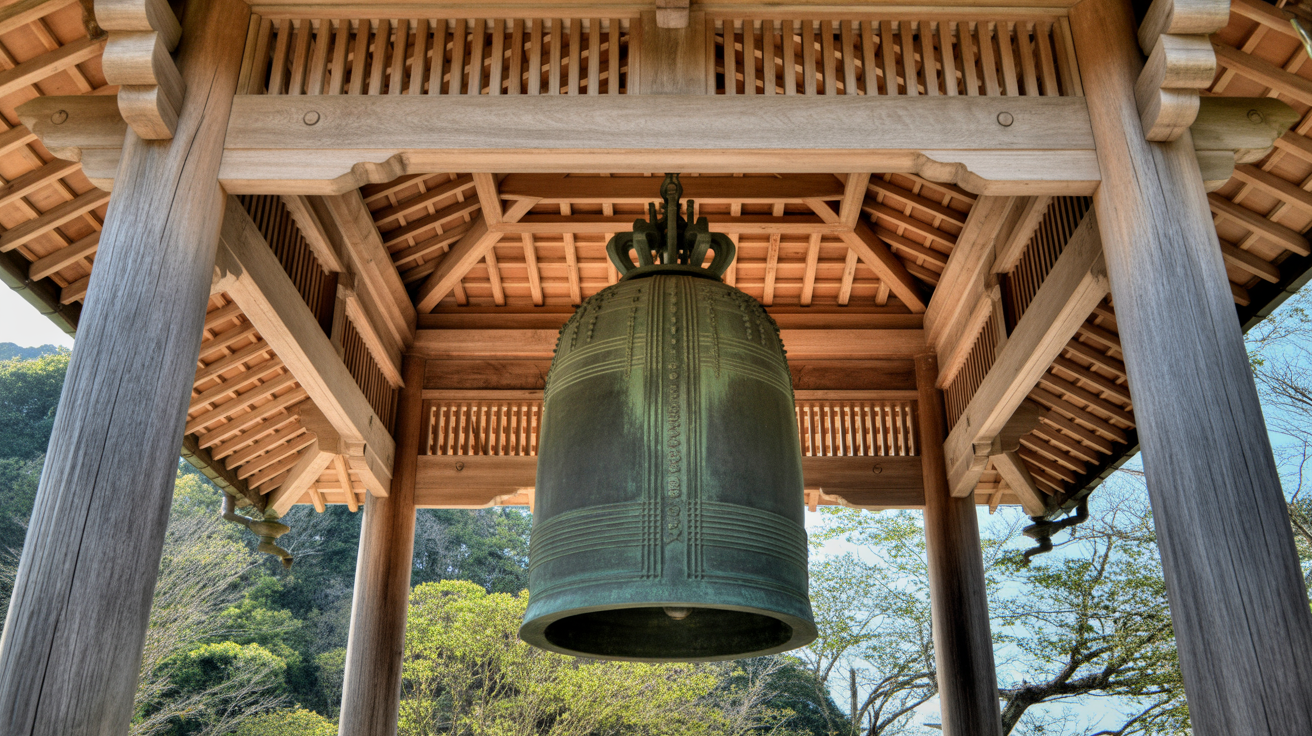
Each bell strike removes one earthly desire.
What This Tradition Means:
Buddhism teaches that humans have 108 types of worldly desires or sins. Japan practices this spiritual cleansing called “Joya no Kane.”
How It’s Done:
Buddhist temples across Japan prepare for this special moment. Monks ring large temple bells starting just before midnight. The bells toll 107 times before the year ends. The final, 108th strike happens after midnight.
Each bell ring symbolizes releasing one desire. These include greed, anger, and jealousy. The deep sound purifies the spirit and prepares people for renewal.
Japanese families visit temples to hear the bells. Some temples allow visitors to ring the bell themselves. The tradition creates a peaceful, reflective atmosphere.
It contrasts with louder celebrations in other countries, offering quiet contemplation instead.
15. Cuba: Throwing Water Out of Doors
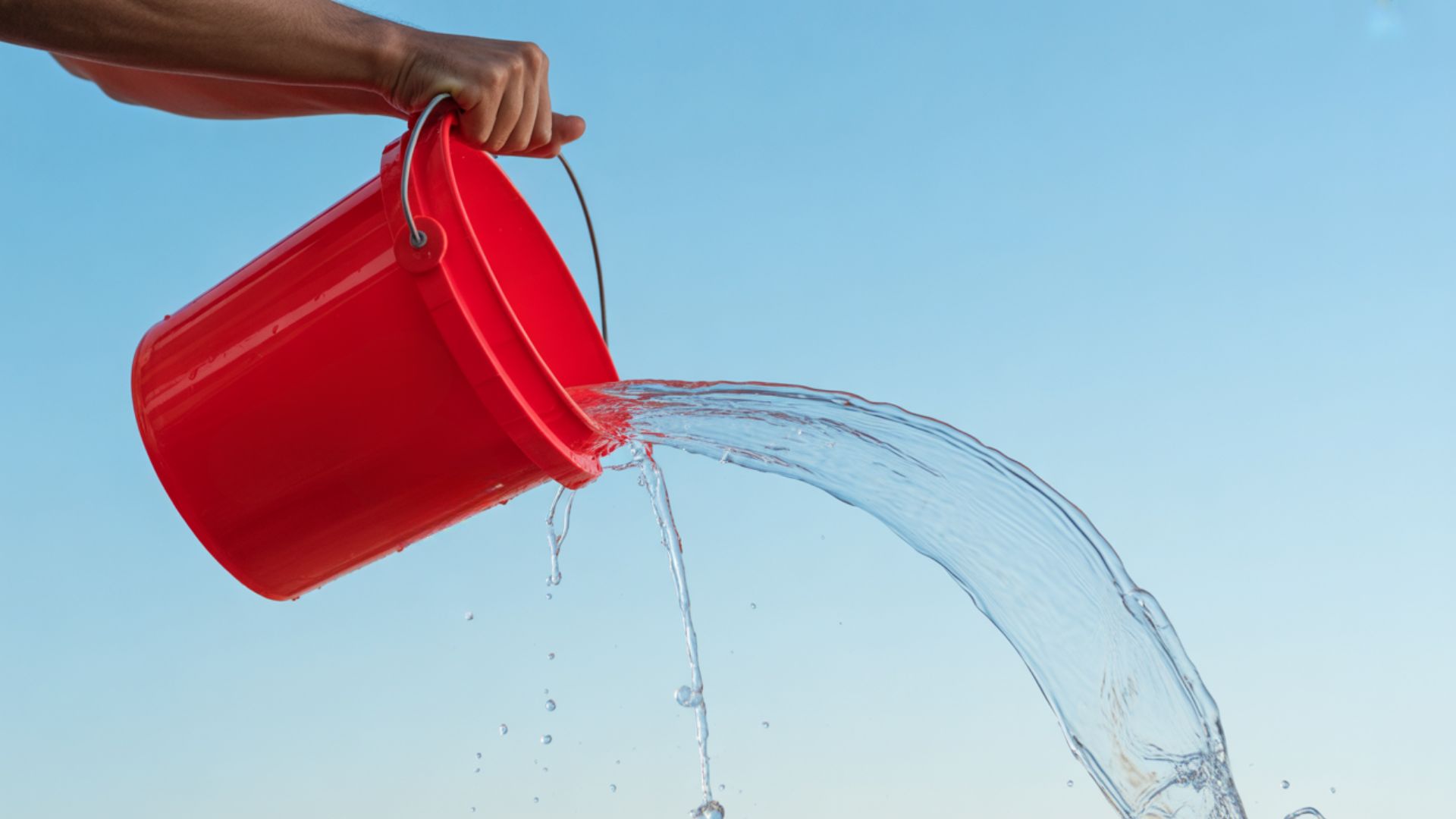
Toss away dirty water to remove negative energy.
What This Tradition Means:
Water carries away evil spirits and misfortune from the old year. Cuba and some other Caribbean and Latin American countries practice this cleansing ritual.
How It’s Done:
Fill a bucket with water during the final hours of December 31st. Some people add cleaning solutions to symbolize washing away problems. Others use plain water.
As midnight approaches, carry the bucket to your front door. When the clock strikes 12, throw the water forcefully out the door and into the street. The water should fly as far as possible from your home.
Watch out if you walk through Cuban neighborhoods on New Year’s Eve. People toss water from windows and doors throughout the night.
The flying water represents old troubles leaving your life. A dry, fresh start awaits inside your clean home.
This practice sometimes includes sweeping dust and dirt out the door before throwing the water.
Conclusion
New Year’s Eve traditions connect us to cultures around the world. Welcoming a better year ahead.
You don’t need to travel far to try something new. Pick one tradition from this list and make it your own. Maybe wear colored underwear for love.
Perhaps clean your home for fresh energy. Or hang an onion on your door for prosperity.
These practices remind us that hope is universal. Every culture believes the new year brings chances to start fresh.
Honor the old year’s lessons. Welcome the new year’s possibilities.
Which tradition will you try this year? Share your choice in the comments below and tell us why it speaks to you.


