
New Year’s Resolutions for Kids: 40 Great Ideas
Ever noticed how kids light up at the idea of fresh starts and new beginnings?
That’s precisely what makes New Year’s perfect for goal-setting with children. Resolutions aren’t just adult territory anymore.
Kids actually benefit more from setting goals because they’re building lifelong habits right now. Research shows that goal-setting teaches responsibility, boosts confidence, and creates a sense of purpose.
Plus, working on resolutions together strengthens family bonds in ways that last all year long.
This guide has plenty of simple, fun resolutions for kids of all ages. From health to learning to kindness, there’s something here for every child.
The secret? Let them choose what excites them. When kids pick their own goals, they’re far more likely to stick with them. Ready to help your kids make this year amazing?
Why New Year’s Resolutions Matter for Kids?
Goal-setting isn’t just adult business. It’s actually more important for kids because they’re building lifelong habits right now.
Setting resolutions teaches kids important life skills. It’s more than just making promises.
- Goal-setting builds confidence. When kids achieve a goal, they feel capable. This belief helps them try new things without fear.
- Resolutions teach planning. Kids learn to break big goals into small steps. They discover that progress takes time and effort.
- It creates healthy habits early. Habits formed in childhood often last a lifetime. Starting good routines now sets kids up for success later.
- Family bonding strengthens. Working on resolutions together brings families closer. Sharing goals creates teamwork and support.
According to Johns Hopkins Medicine, resolutions should be SMART. That means Specific, Measurable, Achievable, Realistic, and Timely. This approach helps kids succeed instead of giving up.
Experts say kids’ brains are still developing. The prefrontal cortex handles goal-setting. This part doesn’t fully mature until adulthood.
That’s why kids need parental support. Help them track progress and adjust goals when required.
Keep resolutions positive. Focus on what kids should do, not what to avoid. Say “I will read more” instead of “I won’t watch too much TV.”
Make sure your child chooses their own goals. Kids feel more motivated when they pick what matters to them.
New Year’s Resolutions for Kids
Here are practical, achievable resolutions your kids can start today. Each one builds character, health, or skills that last a lifetime.
Health & Wellness Resolutions
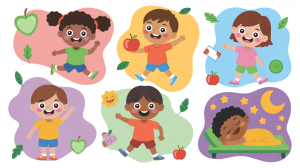
Healthy bodies create happy kids. These resolutions focus on building physical wellness habits that make children feel their best every day.
1. Eat Two Servings of Vegetables Every Day
Vegetables provide the vitamins and energy kids need to grow strong and stay alert during school and play time each day.
2. Drink More Water Instead of Sugary Drinks
Water keeps bodies hydrated without added sugar, supporting better concentration, digestion, and overall health throughout the day without empty calories.
3. Get Enough Sleep Each Night
Proper sleep helps the brain process learning and allows the body to rest and grow, improving mood, focus, and physical health significantly.
4. Try One New Healthy Food Each Month
Exploring different foods builds adventurous eaters and expands nutrition options, making mealtimes more interesting while discovering new favorite healthy choices.
5. Exercise for 30 Minutes at Least Three Times a Week
Regular movement strengthens hearts, builds muscles, improves coordination, and releases happy chemicals that boost mood and reduce stress naturally.
6. Brush Teeth Twice a Day without Reminders
Consistent brushing prevents cavities and keeps gums healthy, teaching independence while protecting teeth from decay and avoiding painful dental problems.
7. Wash Hands After Using the Bathroom and Before Meals
Proper handwashing stops germs from spreading, preventing illnesses and teaching basic hygiene that protects health at home and school daily.
8. Limit Screen Time to One Hour on School Days
Reducing screen time protects eyes, improves sleep quality, encourages active play, and creates more time for homework and family connections.
9. Spend at Least One Hour Outside Daily
Fresh air and sunshine boost vitamin D, improve mood, encourage physical activity, and provide natural stress relief that screens can’t offer.
10. Learn Basic Stretches to Do Every Morning
Simple stretches wake up muscles, improve flexibility, prevent injuries during play, and create a healthy morning routine that energizes the day.
Academic & Learning Resolutions
Smart kids aren’t born, they’re made through consistent effort. These learning-focused resolutions help children build strong academic foundations and develop a love for knowledge.
11. Read for 20 Minutes Every Day
Daily reading builds vocabulary, improves comprehension, sparks imagination, and creates a lifelong love of books while improving academic performance naturally.
12. Complete Homework Before Playing
Finishing schoolwork first teaches time management, reduces stress, ensures assignments get adequately done, and makes playtime more enjoyable without worry.
13. Ask Questions when Something Isn’t Clear
Curious learners grow faster by seeking understanding, showing teachers they care, clearing confusion early, and developing critical thinking skills through inquiry.
14. Organize School Supplies Weekly
Tidy backpacks and desks make finding materials easier, reduce morning stress, teach organizational skills, and help kids feel more prepared.
15. Learn One New Vocabulary Word Every Day
Building word knowledge daily improves reading comprehension, writing ability, communication skills, and boosts confidence in expressing ideas clearly and effectively.
16. Practice Math Facts for 10 Minutes Daily
Regular math practice builds number fluency, makes homework easier, strengthens problem-solving skills, and builds confidence in mathematical abilities over time.
17. Improve Grades in One Challenging Subject
Focusing on one complex subject with dedicated effort builds perseverance, shows improvement is possible, and creates momentum for tackling other challenges.
18. Participate More in Class Discussions
Speaking up in class builds confidence, helps process learning, shows engagement, and develops public speaking skills that are functional throughout life.
19. Keep a Study Schedule and Stick to it
Consistent study times create productive habits, reduce last-minute cramming, lower stress, and help material stick better in memory.
20. Learn Words in a New Language
Learning new languages opens cultural understanding, exercises the brain, makes travel more meaningful, and builds cognitive flexibility and appreciation.
Character & Social Skills Resolutions

Being smart matters, but being kind issues more. These resolutions help kids develop empathy, friendship skills, and the character traits that make good humans.
21. Perform One Act of Kindness Every Week
Small acts like helping others, sharing, or complimenting someone create positive feelings, spread joy, and teach children that their actions matter.
22. Make a New Friend This Year
Reaching out to someone new builds social confidence, expands perspectives, creates opportunities for connection, and teaches kids that friendship takes effort.
23. Be Polite by Saying “Please” and “Thank You.”
Good manners show respect for others, make positive impressions, smooth social interactions, and demonstrate gratitude that strengthens all relationships.
24. Listen Without Interrupting when Others Speak
Waiting for turns in conversations shows respect, helps kids learn more, builds better relationships, and teaches patience and consideration.
25. Stand up Against Bullying
Speaking up for others who are hurt shows courage, creates safer environments, demonstrates strong values, and helps kids become upstanders.
26. Apologize when Making Mistakes
Saying sorry shows maturity, takes responsibility, repairs hurt feelings, helps kids learn from errors, and strengthens damaged relationships authentically.
27. Practice Positive Self-Talk
Speaking kindly to yourself builds confidence, reduces anxiety, encourages trying new things, and helps kids develop healthy self-esteem.
28. Be a Better Friend by Listening More
Really hearing friends’ concerns shows care, builds trust, strengthens bonds, and helps kids understand others’ feelings and perspectives better.
29. Share Toys and Belongings without Being Asked
Generous sharing makes playtime better for everyone, teaches kids they don’t need everything themselves, and builds cooperative play skills.
30. Thank Someone Every Day
Expressing gratitude regularly trains kids to notice good things, spreads positivity, strengthens relationships, and develops appreciation for others’ efforts.
Responsibility & Life Skills Resolutions
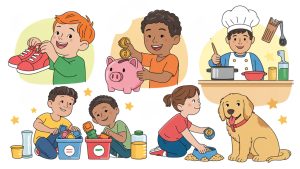
Independence doesn’t happen overnight. These practical resolutions teach kids to take care of themselves, contribute to families, and manage daily responsibilities.
31. Make Your Bed Every Morning
Starting the day with one completed task creates momentum, keeps bedrooms tidy, teaches discipline, and takes only two minutes.
32. Help with One Household Chore Daily
Contributing to family work teaches teamwork, shows kids they’re valued members, builds work ethic, and prepares them for independence.
33. Put Toys Away After Playing
Cleaning up after activities teaches responsibility, keeps spaces safe and organized, makes finding toys easier, and respects shared spaces.
34. Pack Your School Bag the Night Before
Evening preparation eliminates morning stress, ensures nothing gets forgotten, teaches planning ahead, and creates calmer morning routines for everyone.
35. Take Care of a Pet’s Needs
Feeding, walking, or grooming pets teaches consistent responsibility, builds empathy for animals, and shows that actions affect other living creatures.
36. Save a Portion of Allowance Each Month
Learning to save money teaches delayed gratification, goal-setting, and financial responsibility and shows kids how small amounts grow over time.
37. Learn to Tie Your Shoes Independently
Mastering self-care skills builds confidence, creates independence, eliminates reliance on others, and teaches persistence through challenging tasks successfully.
38. Follow Morning and Bedtime Routines Alone
Managing personal routines independently teaches time management, builds self-sufficiency, reduces parent workload, and prepares kids for growing responsibilities.
39. Help Prepare One Family Meal per Week
Cooking together teaches math, science, nutrition, following directions, and kitchen safety, and creates valuable bonding time with family members.
40. Keep Your Room Organized
Maintaining a tidy personal space teaches ongoing responsibility, makes finding belongings easier, creates peaceful environments, and builds organizational skills.
Tips for Helping Kids Stick to Their Resolutions
Making resolutions is easy. Keeping them takes work. Here’s how parents can help kids succeed.
1. Start with just one or two goals: Too many resolutions overwhelm kids. Choose what matters most to them.
2. Write goals down: Studies show that written goals get achieved 42% more often. Put them where kids see them daily.
3. Break big goals into small steps: “Read more” becomes “read one chapter before bed.” Smaller steps feel doable.
4. Track progress with charts: Sticker charts work great for younger kids. Teens might prefer apps or journals.
5. Celebrate small wins: Every bit of progress deserves praise. Don’t wait for perfect completion.
6. Be flexible with goals: If something isn’t working, adjust it. The point is growth, not punishment.
7. Model goal-setting yourself: Kids copy what they see. Please share your own resolutions with them.
Make it Fun! Turn goals into games or challenges. Use rewards that don’t involve money or food.
Remember that failure is part of learning. If kids don’t achieve a resolution, talk about what they learned. Help them understand that trying matters more than being perfect.
Conclusion
You’ve just explored tons of resolutions to help your kids grow this year!
The real magic isn’t in choosing perfect goals, though. It’s in the trying, the effort, and the small wins along the way.
Start small with just one or two resolutions your child genuinely wants. Sit down together this week and write them down.
Check in regularly and celebrate every tiny victory you see. When kids realize they can achieve goals, something extraordinary happens.
Their confidence grows. They learn they’re capable of real change. Most importantly, they understand that effort beats perfection every single time.
So what are you waiting for? Grab that pen and start this conversation with your kids today. Pick your favorites from this list together.
Make this year the one where your child discovers just how capable they truly are. Which resolution will your family tackle first?


