Teaching Social Skills to Children: A Parent’s Guide

Social skills are essential for children to thrive in today’s world, yet they often take time and practice to develop.
Have you ever wondered how you can help your child build these vital skills?
Whether it’s making friends, communicating clearly, or resolving conflicts, strong social abilities lay the foundation for a healthy social life.
Children learn how to interact with peers, adults, and even family members through daily experiences.
By supporting your child’s social growth, you empower them to navigate the world with confidence and resilience.
Let’s find out how you can help them build these skills at each stage of their development.
What Are Social Skills?
Social skills are the tools children use to interact successfully with others.
They encompass both verbal communication (like speaking clearly, asking questions, and expressing needs) and non-verbal cues such as body language, facial expressions, and gestures.
For kids, these abilities shape how they connect with classmates during group projects, respond to a teacher’s instructions, play cooperatively on the playground, and build relationships with family members.
Strong social abilities help children read social situations, understand what’s expected of them, and adapt their behavior accordingly.
Whether they’re navigating a disagreement over a toy or joining a new activity at school, everyday interactions become opportunities to practice and refine the way they relate to the world around them.
Why Social Skills Are Important for Kids?
Understanding why social abilities matter helps parents prioritize teaching them. Here’s how these skills impact different areas of a child’s life:
- Strong Emotional Intelligence: Children who develop social abilities learn to recognize and manage their own emotions while understanding how others feel, building self-awareness and emotional resilience.
- Academic & Future Success: Research consistently shows that kids with stronger social skills perform better in school, stay more engaged in learning, and develop skills that translate into career success later in life.
- Building Strong Relationships: From playground friendships to family bonds, social abilities help children connect meaningfully with others, fostering cooperation, trust, and a genuine sense of belonging.
- Improved Behavior & Self-Regulation: Kids who understand social expectations are better at controlling impulses, following guidelines, and making thoughtful choices in challenging situations.
- Greater Confidence & Independence: As children master social interactions, they gain confidence in new environments, approach unfamiliar situations with less anxiety, and develop the independence to navigate social worlds on their own.
Core Social Skills Every Child Should Learn
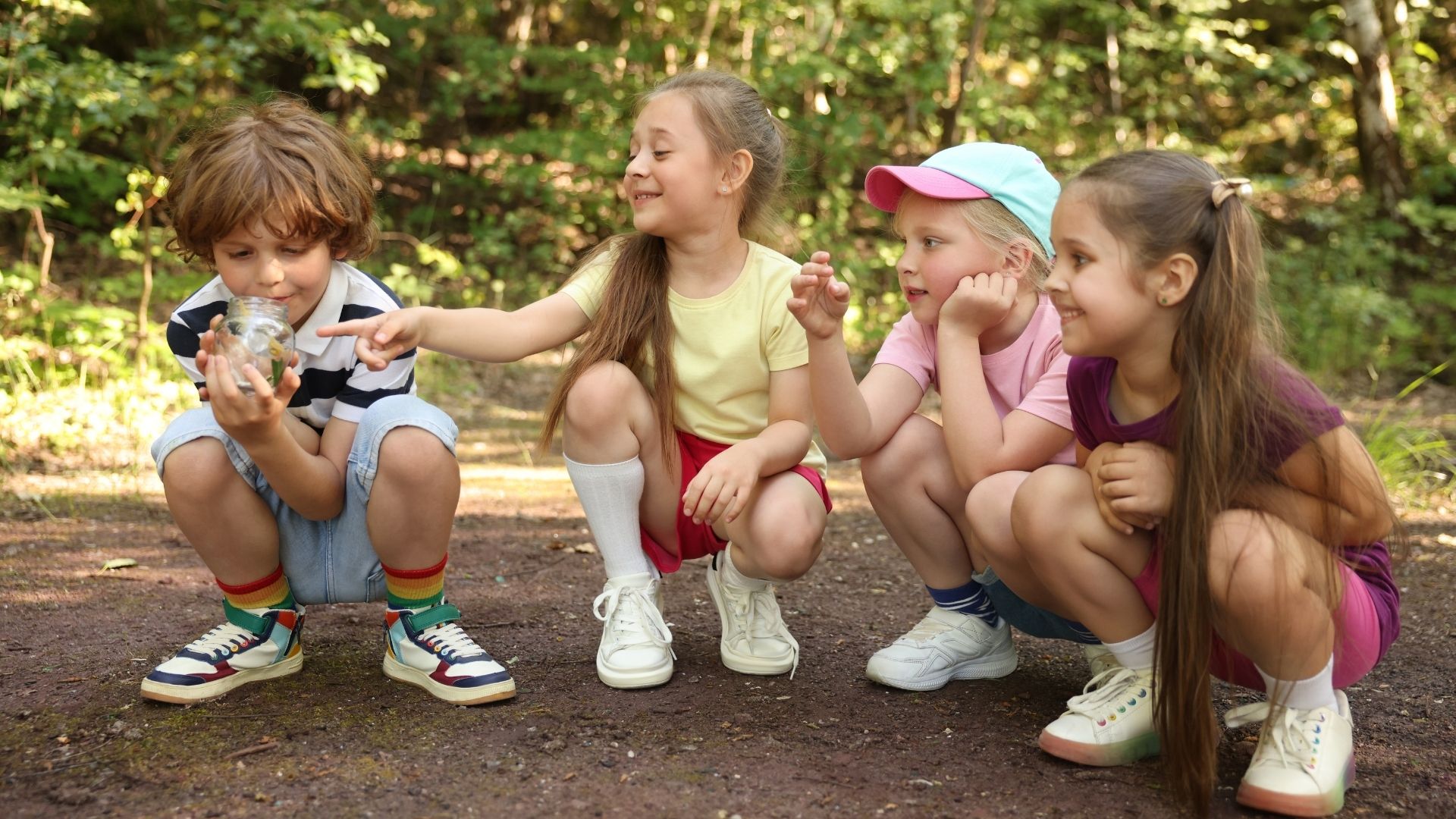
Every child develops at their own pace, but certain foundational abilities set them up for social success.
1. Communication Skills
Clear communication involves more than just talking. Kids need to practice active listening (really hearing what others say), speaking clearly so they’re understood, and making appropriate eye contact to show engagement.
The basics help children express their thoughts, ask for what they need, and connect authentically with peers and adults.
Encouraging kids to articulate their feelings rather than act them out strengthens this ability considerably.
2. Empathy & Emotional Recognition
Empathy is the ability to step into someone else’s shoes and understand their feelings.
When children learn to recognize emotions in others (whether through facial expressions, tone of voice, or body language), they become more compassionate friends and better problem-solvers.
Teaching kids to ask, “How would you feel if that happened to you?” naturally helps develop this awareness.
3. Sharing & Cooperation
Taking turns and sharing resources are fundamental to group play and teamwork.
The abilities don’t always come naturally, especially for younger children, but they’re vital for positive peer relationships.
Whether it’s sharing a toy at home or collaborating on a school project, learning to work with others builds patience and mutual respect.
4. Following Directions & Guidelines
Understanding and respecting guidelines helps children function smoothly in structured environments like classrooms, sports teams, and community settings.
This ability involves listening carefully, asking clarifying questions when needed, and recognizing that guidelines exist to keep everyone safe and supported.
Kids who grasp this concept adapt more easily to different social settings.
5. Conflict Resolution
Disagreements are inevitable, but how children handle them matters enormously.
Teaching kids to express feelings without aggression, listen to different perspectives, and find compromises turns conflicts into learning opportunities.
Strategies like using “I feel” statements or suggesting fair solutions empower children to resolve issues independently and respectfully.
6. Respecting Boundaries
Personal space, consent, and respecting others’ comfort levels are valuable lessons. Children need to understand that everyone has different boundaries.
Some friends love hugs while others prefer high-fives. Teaching kids to ask before touching, recognize when someone wants space, and honor preferences creates safer, more respectful interactions for everyone involved.
7. Patience & Self-Control
Waiting for a turn, resisting the urge to interrupt, and managing frustration when things don’t go their way all require self-control.
The abilities help children regulate their behavior in social situations, making them better playmates and more successful in group activities.
Practice through games and everyday situations gradually strengthens this ability.
How Social Skills Develop at Different Ages?
Children’s social abilities grow and change as they mature. Understanding developmental stages helps parents set realistic expectations and provide age-appropriate support.
| Age Stage | Key Social Milestones | What to Expect |
|---|---|---|
| Toddlers (1-3 years) | Parallel play, basic sharing, understanding emotions | Playing alongside others, learning “mine” vs. “yours,” expressing basic needs |
| Preschool (3-5 years) | Cooperative play, turn-taking, following guidelines | Making friends, sharing more willingly, and understanding basic social expectations |
| School-Age (6-12 years) | Teamwork, complex guidelines, and empathy development | Navigating friendships, handling peer pressure, and understanding group dynamics |
| Adolescence (13+ years) | Advanced communication, deeper empathy, identity formation | Complex relationships, reading social nuances, and developing personal values |
Children’s social abilities develop through distinct stages, each offering new opportunities for growth and learning.
By understanding these developmental milestones, parents can set realistic expectations and offer age-appropriate guidance, helping children build essential social skills like empathy, communication, and teamwork at every stage.
This knowledge allows for better support as children navigate their interactions and relationships with others.
Practical Ways to Teach Social Skills
Social abilities aren’t innate. They’re learned through practice, observation, and guidance.
The good news is that everyday moments offer countless opportunities to build these skills naturally. You don’t need special programs or expensive resources.
1. Everyday Conversations: Ask specific questions like “What made you laugh today?” instead of generic ones. This encourages kids to reflect on interactions and articulate experiences.
2. Role-Playing Real Social Scenarios: Act out situations like introducing yourself or apologizing. Safe practice builds confidence for real interactions.
3. Modeling Behavior: Kids absorb patterns by watching adults. When you listen actively and show empathy, children mirror these behaviors.
4. Playdates & Structured Group Play: Real peer interactions provide irreplaceable practice. Arrange opportunities through playdates or community programs.
5. Praise & Positive Reinforcement: Notice social successes with comments like “I saw you share today, that was kind” to reinforce positive behavior.
Fun Activities & Games to Build Social Skills
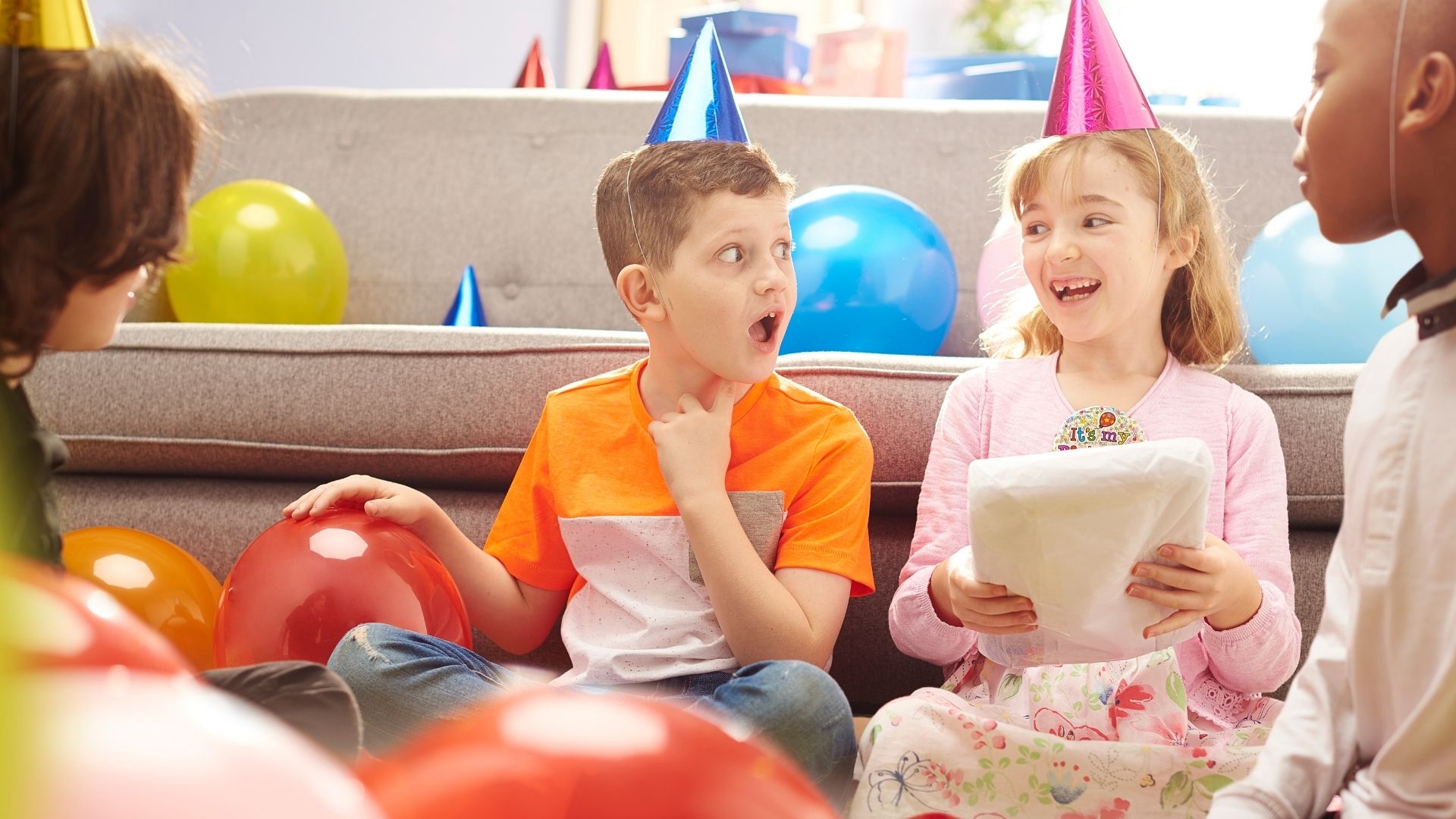
Learning doesn’t have to feel like work. Engaging activities naturally strengthen social abilities while kids have fun:
Simon Says: This classic game teaches listening abilities and self-control as children must follow directions carefully and resist acting when “Simon” doesn’t say.
Emotion Charades: Players act out different feelings (happy, frustrated, excited, nervous) while others guess. This builds emotional recognition and helps kids understand non-verbal communication.
Ball Games & Passing Activities: Activities like catch or rolling a ball in a circle teach turn-taking, cooperation, and patience while keeping kids physically active.
Story Chain Games: One person starts a story with a sentence, and each player adds the next part. This encourages creativity, active listening, and collaborative communication.
Board Games with Guidelines: Games like Candy Land or Connect Four teach children to follow guidelines, wait their turn, handle winning and losing gracefully, and engage in friendly competition.
Puppet Shows: Kids create scenarios with puppets, exploring different perspectives and practicing dialogue. This encourages imagination while developing conversational abilities.
Supporting Children’s Social Development
Supporting a child’s social growth requires patience, consistency, and intentional effort, as it involves guiding them through various interactions, teaching empathy, and helping them build essential communication skills over time.
1. Be Patient and Consistent with Expectations: Social abilities take time to develop, and progress isn’t always linear. Set clear, age-appropriate expectations and reinforce them consistently, understanding that setbacks are normal parts of learning.
2. Create Natural Social Opportunities: Integrate social practice into everyday life rather than making it feel forced. Family meals, grocery store trips, and neighborhood walks all offer chances to greet others, practice manners, and engage in conversation.
3. Use Books, Media, and Role-Playing as Teaching Tools: Stories and shows provide excellent conversation starters about emotions, friendships, and conflicts. Discuss characters’ choices, ask how your child would handle situations, and use role-playing to practice responses.
4. Encourage Reflection After Social Interactions: Help children process their experiences by asking thoughtful questions: “What went well today?” or “How do you think your friend felt when that happened?” This builds self-awareness and thinking abilities.
5. Celebrate Effort, Not Just Outcomes: Acknowledge when your child tries social abilities, even if the result isn’t perfect. Comments like “I noticed you tried to include everyone, that takes courage” reinforce the value of effort and growth over perfection.
Conclusion
Helping children develop strong social skills is a long-term investment that benefits them throughout their lives.
By encouraging healthy communication, empathy, and cooperation, you equip them with the tools they need to build meaningful relationships and navigate social situations confidently.
It’s important to remember that social skills grow over time, and every small interaction helps them improve.
Whether it’s through role-playing, positive reinforcement, or simply creating opportunities for social practice, every effort counts. Ready to support your child’s social development?
Start by incorporating simple, everyday practices into their routine.
Consistency, patience, and encouragement go a long way in helping your child develop these critical skills, ensuring they thrive in both their personal and academic lives.