20 Essential Coping Skills Every Kid Needs to Learn Today
Big emotions can feel overwhelming for kids, especially when they don’t know how to handle them.
Coping skills for kids give them simple, effective tools to understand, manage, and express their feelings in healthy ways.
These strategies help children respond thoughtfully when they’re frustrated, sad, or anxious. Learning coping skills early gives children the confidence to navigate challenges at home, school, or in social settings.
By practicing these skills, children not only manage emotions better but also build resilience for life’s ups and downs.
This guide covers practical coping skills that fit easily into everyday life, helping kids feel heard, supported, and capable.
Why Coping Skills Matter for Kids?
Coping skills for kids are essential for helping children regulate their emotions, reduce stress, and manage difficult situations.
When children are equipped with coping strategies, they can respond thoughtfully to challenges rather than being overwhelmed by their feelings.
These skills also support emotional growth, building resilience, and fostering self-awareness. As kids practice coping skills, they gain confidence in their ability to handle emotions and setbacks.
By learning how to cope effectively, children develop healthier habits for dealing with anxiety, frustration, and disappointment, tools they’ll use throughout life.
The earlier children learn these skills, the more empowered and emotionally balanced they’ll become.
Coping Skills for Kids
The following coping skills for kids are organized into categories to help children manage their emotions, stress, and everyday challenges in healthy, effective ways.
1. Taking Slow Belly Breaths
Slow belly breathing helps children regulate their emotions by calming their nervous system. Deep breaths slow the heart rate, relax the body, and create a pause, giving kids time to process their emotions and respond thoughtfully.
2. Counting to Ten Before Reacting
Counting to ten creates a crucial pause before reacting. This simple step helps children slow down, release tension, and think before speaking or acting, fostering emotional control and preventing impulsive behavior.
3. Naming Emotions Out Loud
Naming emotions out loud helps children identify what they’re feeling, which reduces confusion and frustration. It also helps kids connect with their emotions, empowering them to communicate their feelings and better understand their emotional state.
4. Drawing How They Feel
Drawing provides children with a creative outlet to express their emotions. When words are hard to find, art helps kids process complex feelings and makes emotional expression fun, encouraging them to reflect on what they’re experiencing.
5. Writing Worries on Paper
Writing down worries gives children a way to release anxious thoughts. By putting their feelings on paper, kids can view their concerns more objectively, which helps them feel less overwhelmed and approach solutions calmly.
6. Going for a Short Walk
Walking helps children reset their energy and clear their minds. Physical movement calms the nervous system, reducing feelings of frustration or anxiety. A short walk offers a break and helps kids feel more focused afterward.
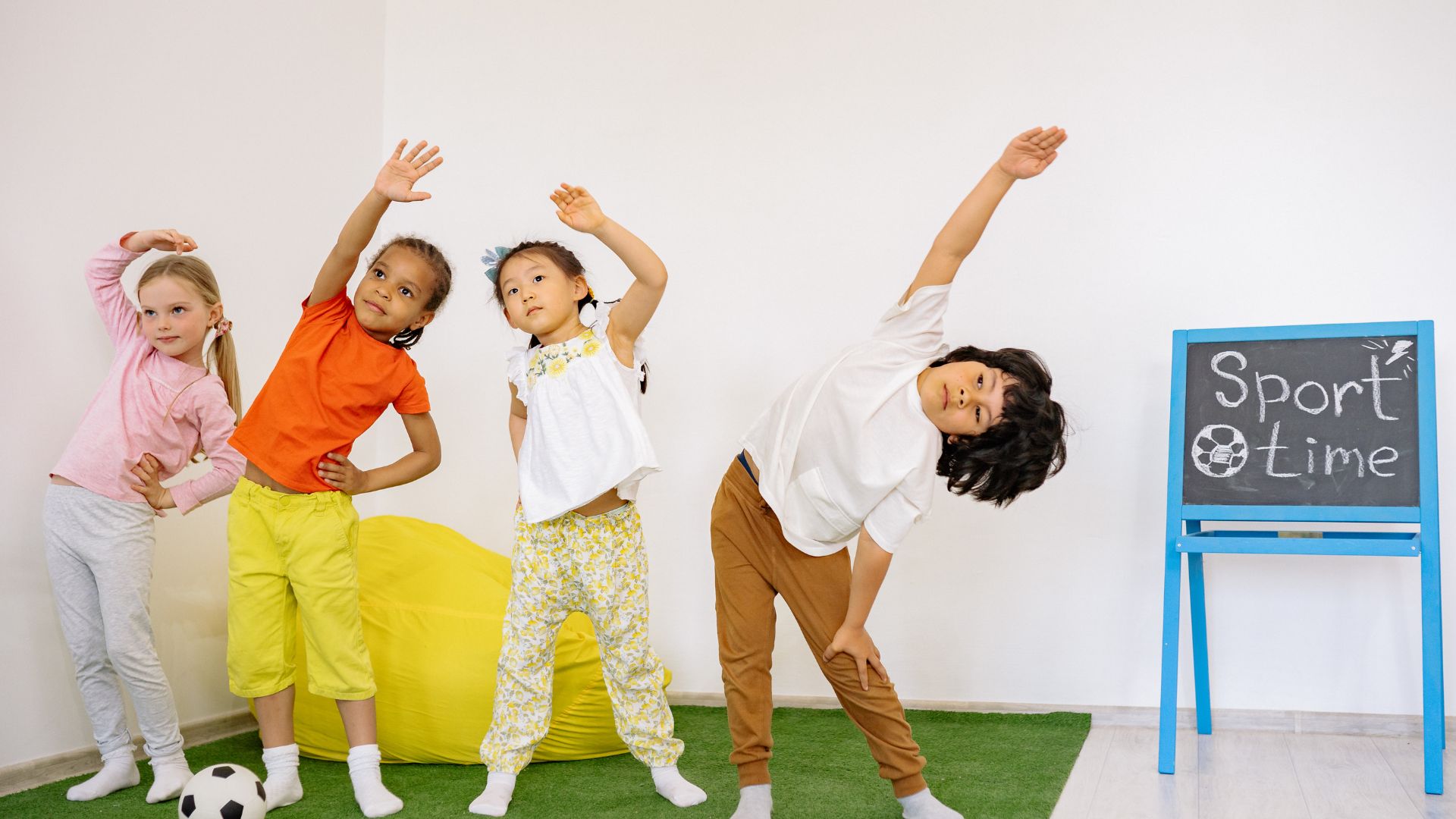
7. Stretching Arms and Legs
Stretching helps relax the body, releasing tight muscles and built-up tension. It encourages physical awareness, which can help children ground themselves emotionally and feel more connected to their bodies during stressful moments.
8. Doing Jumping Jacks
Jumping jacks are a simple physical activity that helps release pent-up energy. They increase circulation and provide a quick way to burn off nervous or restless energy, helping children feel calmer and refocused afterward.
9. Squeezing a Stress Ball
Squeezing a stress ball provides sensory input through the hands, allowing children to release stress in a controlled manner. This tactile activity helps children self-regulate, making it easier for them to manage anxiety or frustration.
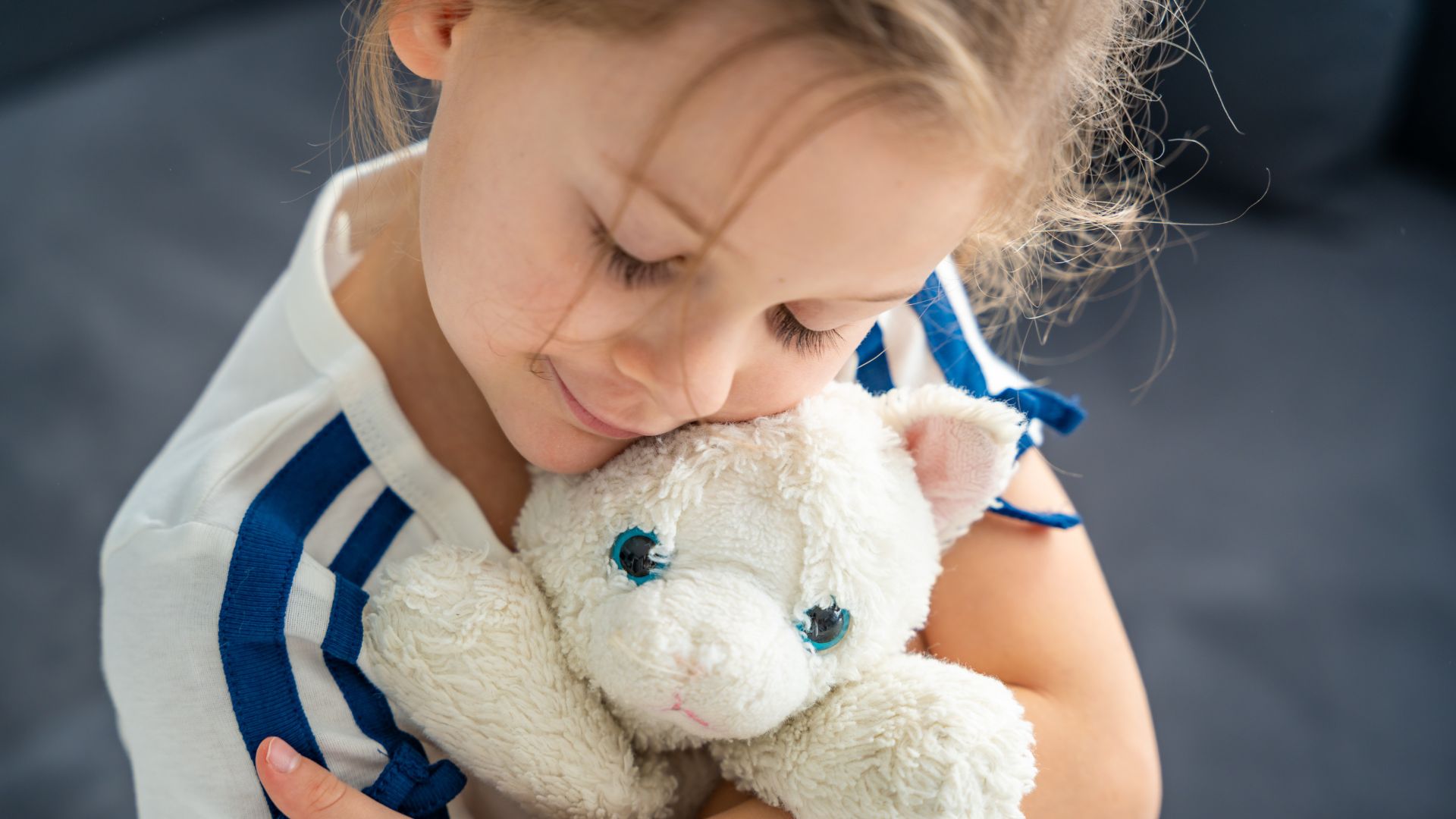
10. Hugging a Pillow or Stuffed Toy
Hugging a pillow or stuffed toy gives children comfort and emotional support during challenging moments. The physical sensation of a hug triggers a sense of security, calming the nervous system and offering reassurance when kids need it most.
11. Listening to Calming Music
Calming music creates a peaceful environment, soothing the mind and body. Soft melodies help children feel more relaxed, reduce stress, and improve their ability to focus during times of emotional distress or anxiety.
12. Listening to Nature Sounds
Nature sounds, like birds chirping or waves crashing, have a grounding and calming effect. They promote relaxation and focus by connecting children to peaceful natural environments, helping them calm their emotions and return to a balanced state.
13. Coloring or Painting Quietly
Coloring or painting provides a quiet, creative way to focus the mind. These activities help children relax and process their emotions visually, providing an emotional outlet without the need for verbal expression.
14. Playing with Clay or Playdough
Tactile activities like playing with clay or playdough provide children with soothing sensory input. Manipulating materials helps children feel grounded, offering a calming, hands-on activity that also promotes creativity and mindfulness.
15. Using a Calm-Down Corner
A calm-down corner is a designated space where children can go to calm down and reset when overwhelmed. With comforting items such as soft cushions, books, or calming visuals, it offers a peaceful environment for regaining emotional control.
16. Practicing Problem-Solving Step by Step
Breaking down problems into manageable steps helps children feel more in control and less overwhelmed. It encourages logical thinking and boosts confidence in their ability to handle challenges and solve everyday problems.
17. Talking Feelings Through With a Trusted Adult
Talking through feelings with a trusted adult helps children feel supported. Open conversations provide emotional validation and build strong communication skills, encouraging children to express themselves and learn healthy ways to cope with emotions.
18. Talking Feelings Through With a Friend
Talking with a peer provides children with emotional support and helps them process their feelings. Sharing experiences with friends fosters empathy, connection, and emotional relief, offering a sense of shared understanding.
19. Using an Emotion Chart
Emotion charts help children label and understand their emotions. By visualizing different feelings, children can identify what they’re experiencing and learn the words to describe their emotions, which supports emotional literacy and communication.
20. Naming Things They Can See, Hear, and Touch
Grounding exercises, such as naming things they can see, hear, or touch, help children focus on the present moment. These exercises redirect attention from anxious thoughts, helping children feel more grounded and less overwhelmed by their emotions.
Conclusion
Teaching coping skills to kids isn’t about suppressing emotions; it’s about helping them feel confident in managing them.
As children practice these strategies regularly, they learn to recognize, understand, and respond to their feelings with calmness and clarity.
Coping skills foster emotional growth, build resilience, and improve social interactions. By consistently practicing these skills, children develop healthier emotional habits that carry them through life’s challenges.
Start with a few skills that feel natural and incorporate them into your daily routine.
If you found these coping strategies helpful, consider sharing them with parents, caregivers, or teachers who support children.
With patience and guidance, kids will learn to manage emotions in empowering, healthy ways.