
How to Efficiently Execute Basement Flood Cleanup After Heavy Rain
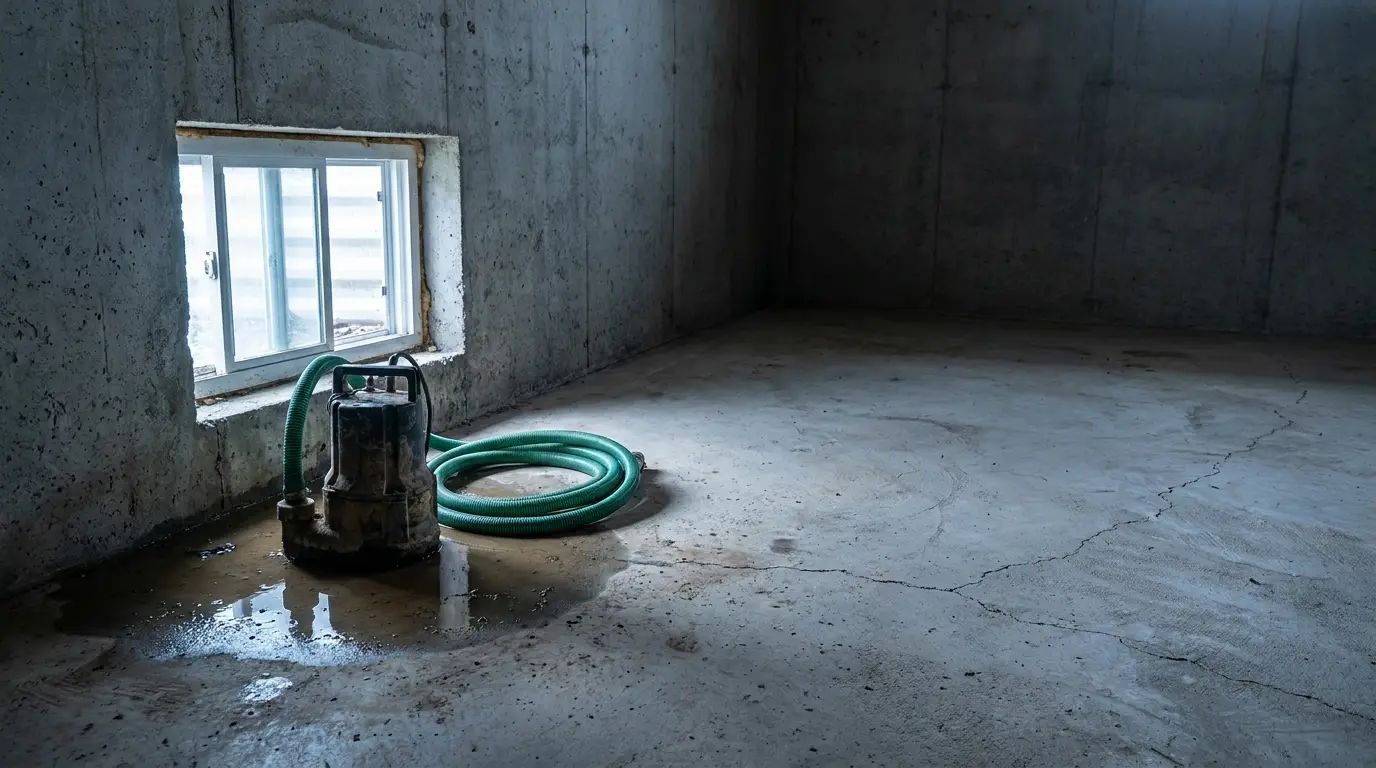
Heavy rain can often lead to unexpected basement flooding, causing stress and potential damage to your home. For families dealing with this issue, understanding the correct steps for Basement Flood Cleanup is crucial.
This article will guide you through assessing water damage, implementing essential safety precautions, utilizing effective water removal techniques, and adopting restoration strategies to prevent future flooding.
By the end, you’ll be equipped with the knowledge to efficiently address basement flooding and safeguard your home.
How to Assess Water Damage in Your Basement After Heavy Rain
Assessing water damage in your basement is a critical first step in the cleanup process. One practical tool for homeowners is Matterport 3D Scanning, which provides a detailed virtual model of your basement, allowing you to accurately pinpoint areas affected by the flood.
Additionally, checking your home’s HERS Index Rating can offer insights into the energy efficiency of your basement, which may be compromised after water infiltration. By understanding these ratings and models, you can better evaluate the extent of the damage and plan necessary repairs.
Another important aspect is examining the presence of radon, a hazardous gas that can seep into basements during floods. A Radon Mitigation System is essential for homes prone to flooding, ensuring air quality remains safe post-cleanup.
Furthermore, evaluating the structural integrity of your basement walls and flooring should be part of your initial assessment to prevent long-term damage.
Essential Safety Precautions During Basement Flood Cleanup
Safety is paramount when dealing with flooded basements. Before beginning the cleanup, ensure that electrical systems are disconnected to avoid any risk of electrocution.
Following ASTM F3096 Compliance guidelines for electrical safety can help prevent accidents during the cleanup process. Wearing appropriate protective gear, such as waterproof gloves and boots, can also safeguard against potential health hazards.
It’s also advisable to check for any gas leaks or compromised systems related to home automation protocols, which control various devices within your home. These systems might have been affected by the flood, and ensuring their safety is crucial.
Moreover, families should consider applying for a Zoning Variance Application if their basement layout requires modifications for improved flood prevention.
Effective Techniques for Removing Water and Moisture
Removing water and moisture from a flooded basement requires efficient techniques and tools. Utilizing a sump pump is one of the most effective methods for extracting large volumes of water quickly.
These pumps are essential for homes with a Smart Home Ecosystem as they can often be integrated into automated systems for prompt activation during floods.
Dehumidifiers are vital for removing residual moisture, preventing mold growth, and maintaining indoor air quality. In homes with Energy Star Certification, these devices can operate more efficiently, reducing energy consumption during the drying process. Employing proper HVAC Load Calculation also ensures your system can handle the increased demand during this period.
For additional moisture control, consider installing a Green Roof Installation, which can help absorb excess rainwater before it reaches your basement. This eco-friendly solution not only protects your home but also contributes to sustainability.
Restoration and Prevention Strategies for Future Flooding
Once the water has been removed, restoration and prevention become the focus. Engaging in the LEED Certification Process can guide you in rebuilding your basement with environmentally friendly materials that resist water damage. This certification emphasizes sustainable practices, reducing future flooding risks.
Implementing Childproofing Standards during restoration ensures your basement remains a safe environment for your family.
Moreover, a Feng Shui Assessment can help optimize the layout and energy flow in your basement, contributing to overall home wellness.
Securing a Home Equity Line of Credit (HELOC) might be necessary for families looking to fund comprehensive flood prevention renovations. This financial tool can provide the capital needed to invest in advanced systems and materials to protect against future heavy rains.
Conclusion
Efficient Basement Flood Cleanup after heavy rain involves a thorough assessment, adherence to safety protocols, effective water removal techniques, and strategic restoration efforts.
By implementing these practices, families can not only tackle immediate flooding issues but also enhance their home’s resilience against future incidents. Ensuring your basement is equipped with proper systems and materials will help maintain a safe and comfortable living environment for your family.


