Common Home Lighting Mistakes and How to Avoid Them
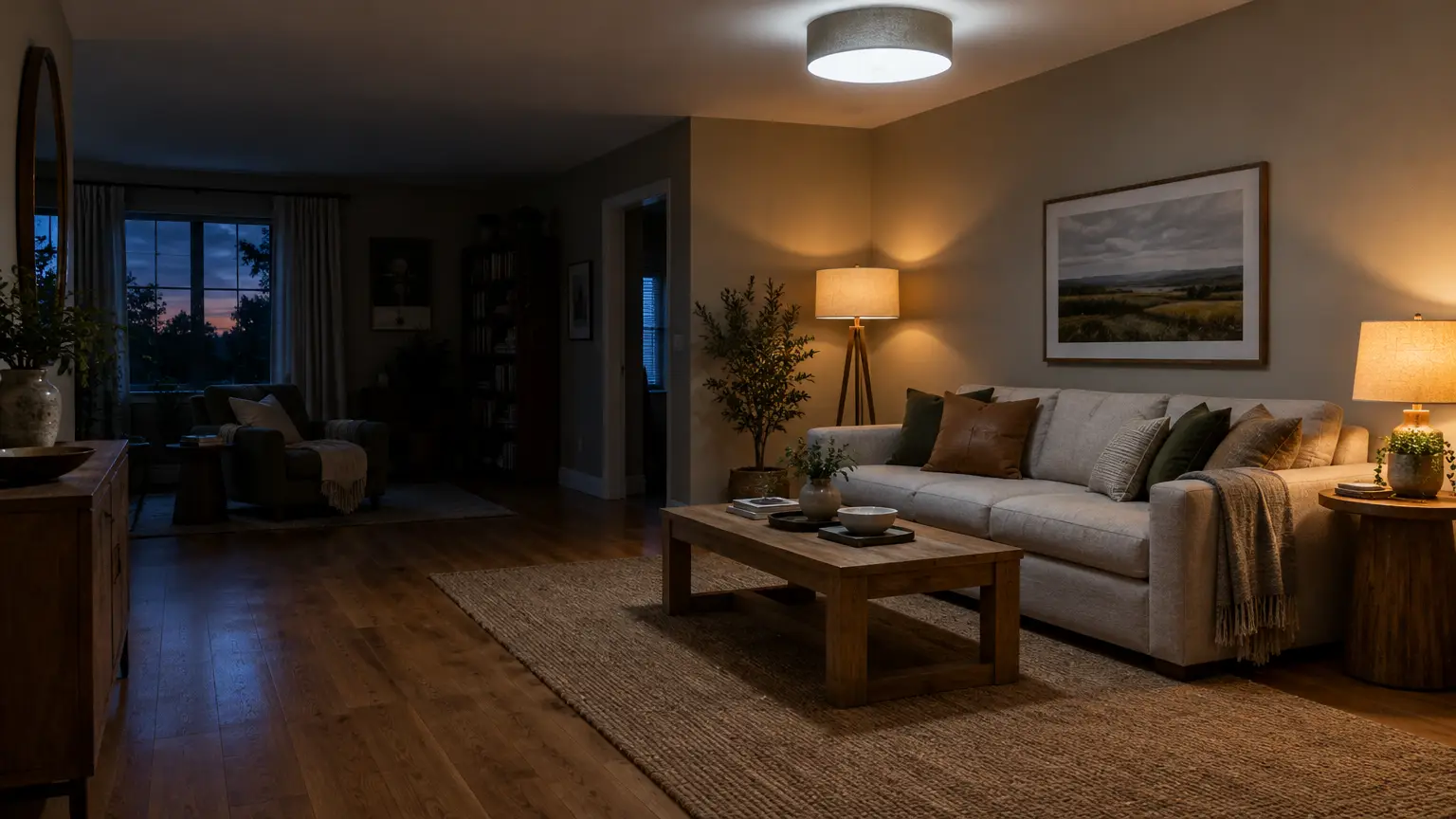
Lighting can dramatically affect the appearance, comfort, and functionality of a home. The right fixtures can highlight architectural features, create a welcoming atmosphere, and make everyday activities easier. However, even a beautifully decorated room can feel uncomfortable when its lighting is poorly planned.
Common problems include using only one light source, choosing the wrong bulb color, placing fixtures incorrectly, or overlooking the importance of natural light. Fortunately, most lighting mistakes are easy to correct with thoughtful planning. Here are common home lighting mistakes and practical ways to avoid them.
1. Relying on a Single Light Source
One of the most common lighting mistakes is depending entirely on one overhead fixture. While a central ceiling light can provide general illumination, it may leave corners, work areas, and decorative features poorly lit.
A better approach is to use layered lighting. Combine ambient lighting with task and accent lighting to create a more balanced environment. Floor lamps, table lamps, wall fixtures, and under-cabinet lights can all contribute to a well-lit room.
A central fixture can still serve as an important focal point. For example, a chandelier can provide attractive overhead illumination while adding character and sophistication to a dining room, bedroom, or living area.
The key is to consider how each part of the room is used. Layered lighting allows you to adjust brightness and atmosphere depending on the activity, making the space more functional and visually appealing.
2. Choosing the Wrong Color Temperature
Light bulb color temperature can significantly affect how a room looks and feels. Choosing a color that does not suit the purpose of the space can make an otherwise attractive interior feel uncomfortable.
Warm light generally creates a cozy and relaxing atmosphere, making it suitable for bedrooms, living rooms, and dining areas. Cooler light can provide a crisp appearance and may work well in areas where detailed tasks are performed.
Instead of using the same bulb color throughout your entire home, consider the function of each room. Kitchens, bathrooms, offices, bedrooms, and living areas may benefit from different lighting characteristics.
Also consider how the light interacts with your wall colors, flooring, and furniture. Testing bulbs before installing them throughout a room can help you determine whether the resulting appearance matches your design goals.
3. Installing Fixtures at the Wrong Height
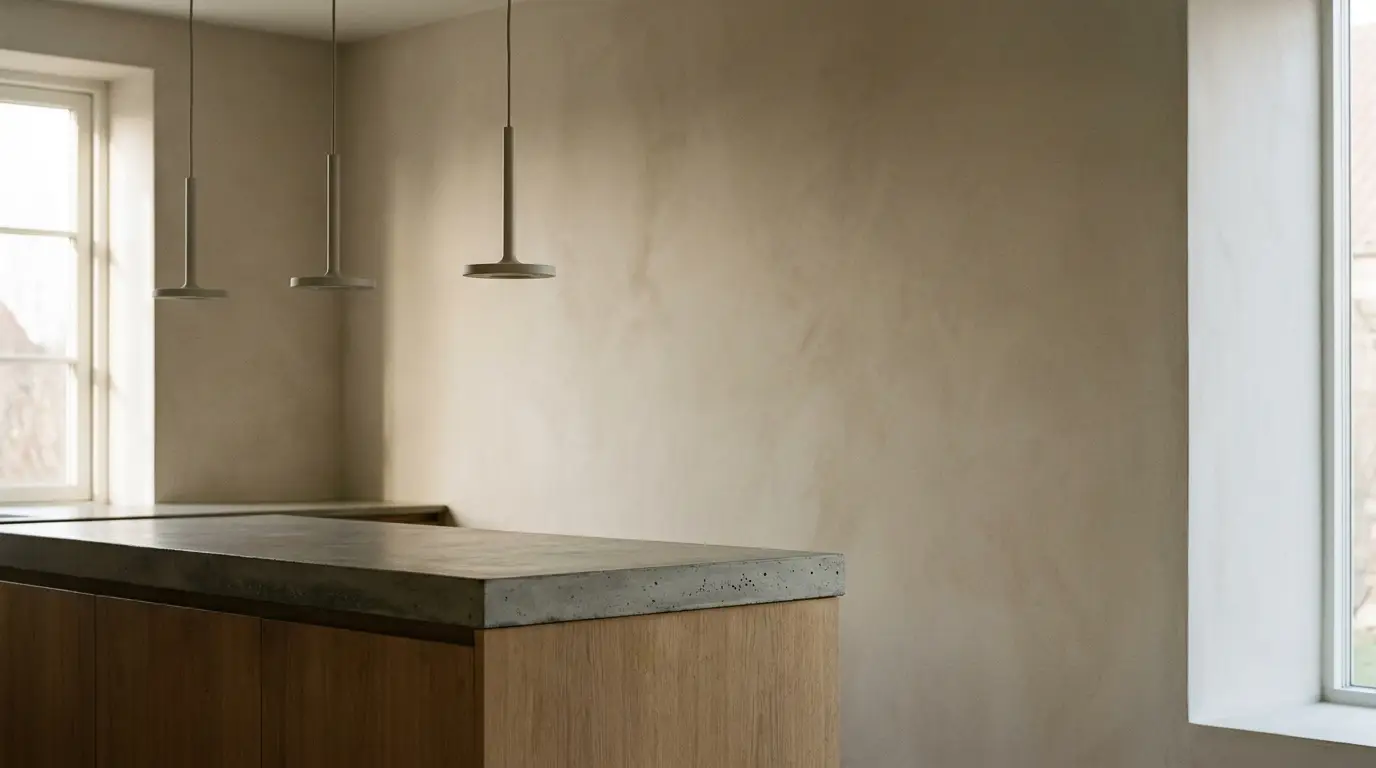
The height of a lighting fixture can affect both its appearance and functionality. A fixture installed too high may lose its visual impact, while one positioned too low can obstruct views or become a practical inconvenience.
Dining room fixtures should be positioned to provide useful illumination without blocking conversation across the table. Pendant fixtures above kitchen islands should also be placed at a comfortable height that provides adequate light while maintaining clear sightlines.
Wall lights require similar attention. Fixtures positioned too high or too low may provide uneven illumination or fail to highlight the intended area.
Before installation, consider the height of the ceiling, size of the room, furniture placement, and purpose of the fixture. Measuring carefully before drilling or mounting can prevent unnecessary adjustments later.
4. Ignoring the Size and Scale of the Room
A lighting fixture should be proportional to the room and the furniture surrounding it. Choosing a fixture that is too small can make it disappear visually, while an oversized fixture may dominate the entire space.
Before purchasing a light, measure the room and consider the dimensions of nearby furniture. A larger dining table may require a more substantial fixture, while a compact hallway may look better with a smaller ceiling or wall light.
Scale is especially important when selecting decorative fixtures. A statement fixture can look impressive when its size complements the room rather than competing with it.
Think about visual balance as well. The fixture should feel connected to the surrounding furniture and architecture. Proper proportion can make even a relatively simple light look intentional and sophisticated.
5. Forgetting Task Lighting
General lighting does not always provide enough illumination for specific activities. Reading, cooking, applying makeup, working, and preparing food often require more focused light.
Task lighting addresses these needs by placing illumination directly where detailed activities take place. Under-cabinet lights can brighten kitchen countertops, while desk lamps can improve visibility in home offices.
Bathrooms can benefit from appropriately positioned lighting around mirrors, while bedside lamps can provide convenient illumination for reading.
When planning your lighting, think about what you actually do in each room. Identify areas where shadows or insufficient brightness could create difficulty, then add focused lighting where necessary. Good task lighting improves both comfort and functionality without requiring excessive overall brightness.
6. Overlooking Natural Light
Artificial lighting is important, but natural light should also be considered when planning a home’s lighting design. Windows and other openings can provide free, pleasant illumination during the daytime.
Avoid blocking windows with oversized furniture or heavy treatments when natural light is available. Light-colored curtains can provide privacy while still allowing daylight to enter.
Mirrors can also help distribute natural light by reflecting it into darker areas. Positioning reflective surfaces strategically can make a room feel brighter and more open.
At the same time, consider glare. Too much direct sunlight can make televisions, computer screens, and mirrors difficult to use. Adjustable window treatments can help control the amount of daylight throughout the day.
Using natural and artificial light together creates a more adaptable environment.