Baby Growth Spurts Explained: What Parents Should Know
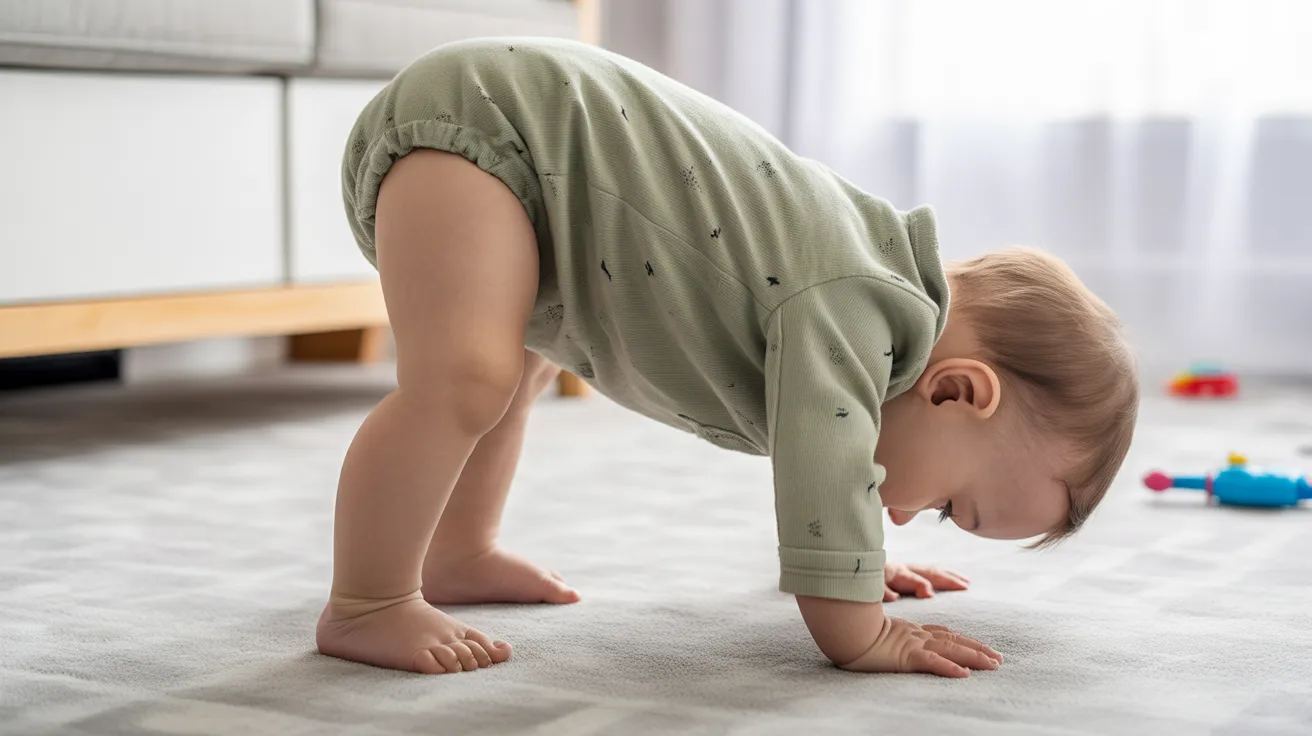
Your baby just drained a bottle, and now they’re crying for more. Again. Sound familiar?
You’re not losing your mind, and your baby isn’t broken. You’ve just entered the wild world of baby growth spurts.
These intense bursts of development can turn your predictable routine upside down overnight. Your little one might suddenly act like they haven’t eaten in days, refuse to sleep, or cling to you like Velcro.
It’s exhausting, confusing, and completely normal. The good news?
Understanding what’s happening makes everything easier. Let’s break down everything you need to know about growth spurts so you can navigate these phases with confidence, not confusion.
What Are Baby Growth Spurts?
Growth spurts are short, intense periods when your baby grows rapidly in both size and development.
During these phases, you’ll notice your baby acting differently than usual, often eating more, sleeping differently, and seeming generally fussier.
A growth spurt is essentially your baby’s body kicking into high gear. Think of it as a mini transformation phase.
Your baby’s body needs extra fuel and rest to support the physical changes happening. These spurts are completely normal and happen to all babies, though the timing and intensity can vary from child to child.
How Baby Growth Spurts Impact Development?
These spurts aren’t just about getting taller or heavier. Your baby’s brain is also developing rapidly during these times.
You might notice your little one suddenly mastering a new skill or becoming more alert and engaged with their surroundings.
The physical and cognitive changes often happen together, which is why growth spurts can feel so dramatic for both baby and parents.
When Do Baby Growth Spurts Occur?
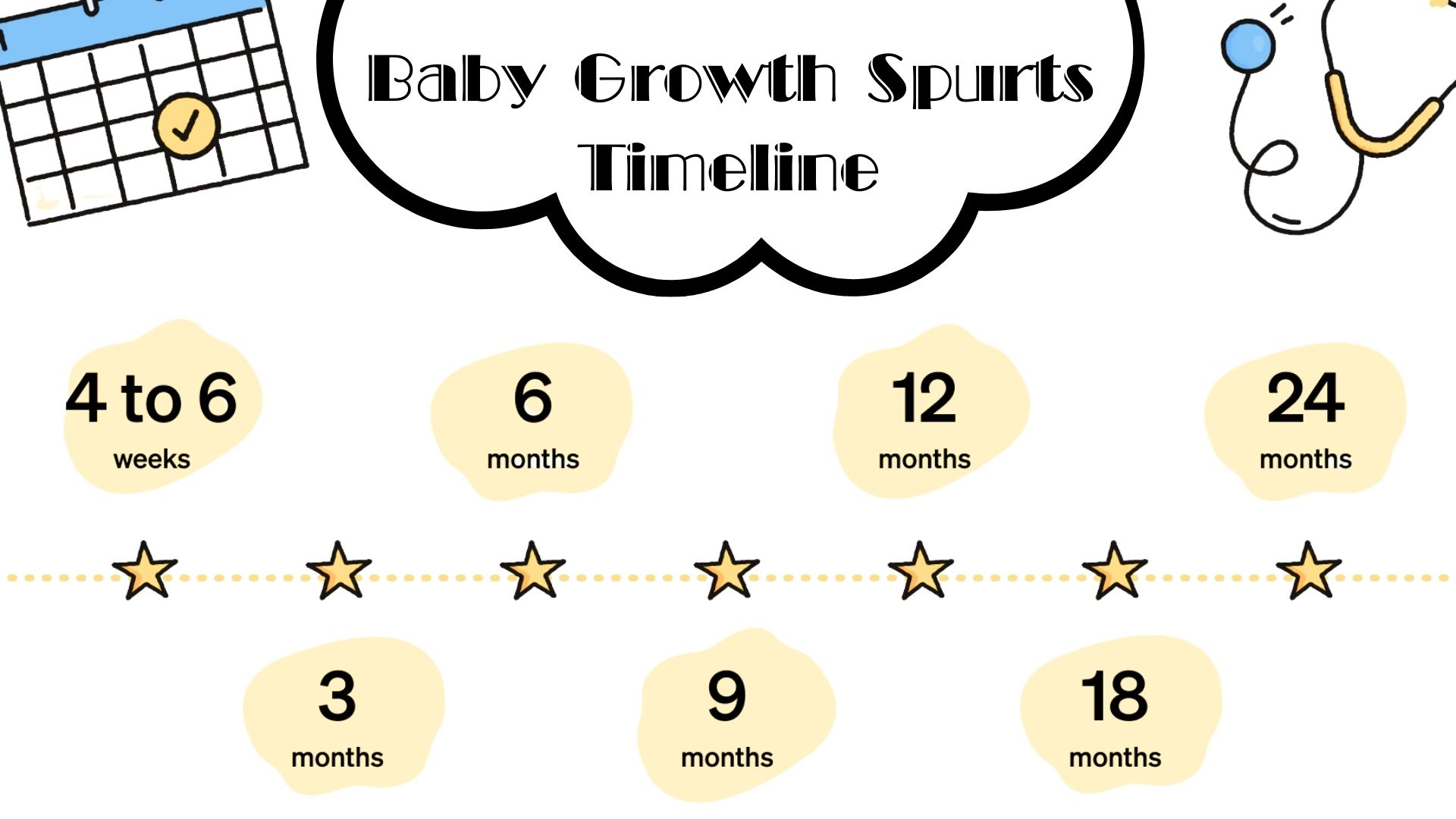
Timing matters when you’re trying to figure out if your baby is going through a growth spurt. While every baby is unique, there are predictable windows when these spurts typically happen.
The first year is packed with growth spurts. Most babies experience their most noticeable spurts around certain ages.
Your baby will likely go through several of these phases before their first birthday, with some being more intense than others.
2-3 Weeks
This is your baby’s first major spurt after birth. Expect frequent feeding sessions and lots of sleep. Your newborn is adjusting to life outside the womb while growing rapidly.
↓
6 Weeks
Feeding demands become particularly intense during this spurt. Your baby will be more alert between feeds and might seem restless or fussy.
↓
3 Months
You’ll notice more obvious physical changes now. Clothes that fit last week suddenly don’t. Sleep patterns may shift as your baby’s body works overtime.
↓
6 Months
Even if your baby has started solids, their appetite will increase noticeably. You’ll also see more mobility and curiosity emerging alongside the physical growth.
↓
9 Months
Many babies become clingy or fussy during this spurt. Rapid skill development happens here. Crawling, pulling up, or even first words might appear shortly after.
Remember: Every baby is unique! These ages are typical patterns, but your baby may experience spurts at slightly different times.
These windows aren’t set in stone. Your baby might hit them a week earlier or later. Some babies even experience additional spurts between these typical times.
The key is watching your baby’s behavior rather than strictly following the calendar.
Each stage brings its own characteristics. In the early weeks, spurt periods involve frequent feeding and sleeping.
By 3-6 months, you might notice more dramatic changes in behavior and abilities. Older babies around 9 months might want to nurse or bottle-feed more frequently, even if they’ve been eating solids well.
Key Signs of Baby Growth Spurts
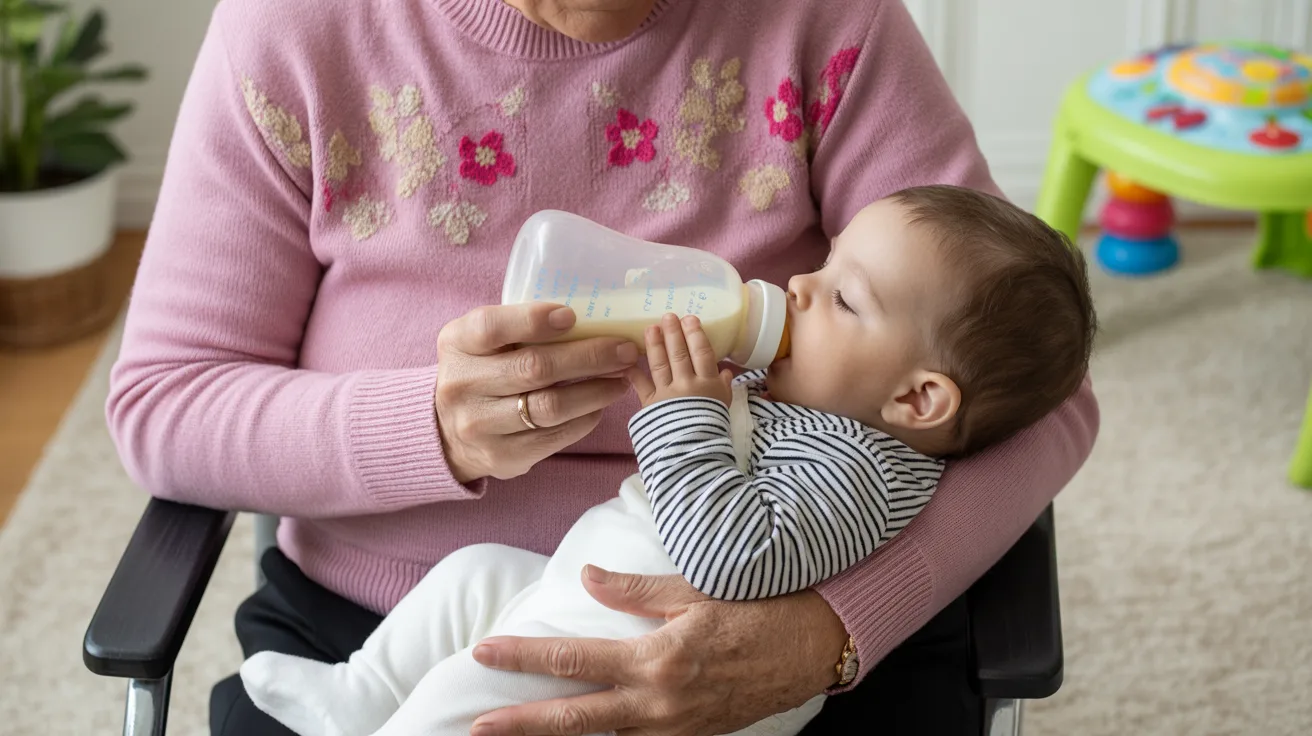
How do you know if your baby is actually going through a growth spurt? There are several telltale signs that something different is happening.
1. Increased Hunger and Feeding Demands
This is usually the first clue. Your baby might want to eat every hour or cluster feed in the evenings. Breastfed babies may nurse constantly, while bottle-fed babies might finish their bottles and still seem hungry.
It can feel exhausting, but this increased appetite is your baby’s way of fueling their rapid growth.
2. Sleep Changes During Growth Spurts
Sleep often goes haywire during a growth spurt. Your baby might wake more frequently at night or fight their usual naps.
On the flip side, some babies sleep more than usual. Both patterns are normal because growing takes a lot of energy, and every baby handles it differently.
3. Physical and Behavioral Indicators of a Growth Spurt
Beyond eating and sleeping, you might notice your baby is fussier or more clingy than usual. They might cry more easily or want to be held constantly.
Some babies become restless and difficult to soothe. You might also notice that their clothes suddenly seem tighter or that they’ve outgrown that onesie that fit just days ago.
How to Support Your Baby During Growth Spurts?
Growth spurts can be challenging, but there are practical ways to help your baby through these intense phases.
1. Adjusting Feeding Schedules
Follow your baby’s lead and feed on demand, even if it means tossing your usual schedule out the window for a few days. Trust that your baby knows what they need.
2. Ensuring Rest and Comfort
Create a calm environment and offer extra cuddles. Your baby needs both physical rest and emotional reassurance during this demanding time. Skin-to-skin contact can be especially soothing.
3. Responding to Sleep Disruptions
Be flexible with sleep routines and try not to stress if naps are shorter or nighttime wake-ups increase. This phase will pass, so avoid making major sleep training changes during a spurt.
How Long Do Baby Growth Spurts Last?

The good news? Growth spurts are temporary, even though they might feel endless when you’re in the thick of one.
Most growth spurts last between 2 and 7 days, with the average being around 3 days.
You’ll notice your baby’s behavior returning to normal as the spurt winds down. Some spurts are quick, just a day or two of increased fussiness. Others might stretch out for a full week.
Here’s what helps:
- Stay flexible with your schedule and expectations during this time.
- Rest when your baby rests to maintain your own energy levels.
- Ask for help from your partner or family members when you need a break.
- Keep supplies stocked so you’re not scrambling for diapers or formula.
- Trust your instincts about what your baby needs right now.
- Remember, it’s temporary, and focus on getting through one day at a time.
Your regular routine will resume once the spurt passes. Try not to make major schedule changes during this time, just adapt as needed, and know that normalcy is coming back soon.
Growth Spurts vs. Developmental Milestones
Parents often confuse growth spurts with developmental milestones, and it’s easy to see why. Both involve changes in your baby’s behavior and abilities. However, they’re actually different processes that sometimes overlap.
Growth spurts are primarily about physical growth. Your baby is literally getting bigger. Developmental milestones, on the other hand, involve acquiring new skills such as rolling over, sitting up, and saying first words.
Think of growth spurts as hardware upgrades, while milestones are software updates.
| Aspect | Growth Spurts | Developmental Milestones |
|---|---|---|
| Duration | 2-7 days | Ongoing process over weeks/months |
| Primary Focus | Physical growth (height, weight) | Skill acquisition (motor, cognitive, social) |
| Feeding Changes | Dramatic increase in appetite | Minimal feeding changes |
| Sleep Patterns | Temporary disruption | May improve or change gradually |
| Mood Changes | Fussiness, clinginess | Frustration while practicing new skills |
| Predictability | Occurs at roughly similar ages for most babies | Varies widely between babies |
| Observable Changes | Clothes fit tighter, baby looks bigger | New abilities emerge (crawling, babbling) |
The table above shows the key differences, but here’s what matters most: sometimes these two processes happen at the same time.
Your baby might be going through a growth spurt right when they’re learning to crawl. This double dose of change can make things extra challenging.
Growth spurts often precede major milestones. You might notice your baby goes through a spurt, and then suddenly they’re rolling over or sitting up.
The physical growth provides the strength and body changes needed for new skills. It’s like your baby is preparing for their next big achievement.
Conclusion
Growth spurts are intense but brief chapters in your baby’s first year. Every demanding feed, every wakeful night, and every clingy moment is building the strong, healthy baby you see growing before your eyes.
These phases won’t last forever, even when it feels like they might. Remember, you know your baby best.
If something feels off beyond typical growth-spurt behavior, trust your instincts and reach out to your pediatrician. Want more tips on navigating your baby’s first year?
Subscribe to our newsletter for practical parenting advice delivered straight to your inbox.
And if this guide helped you through a tough spurt, share it with another parent who might need the reassurance. We’re all in this together.