
10 Eczema Creams for Kids That Soothe and Protect
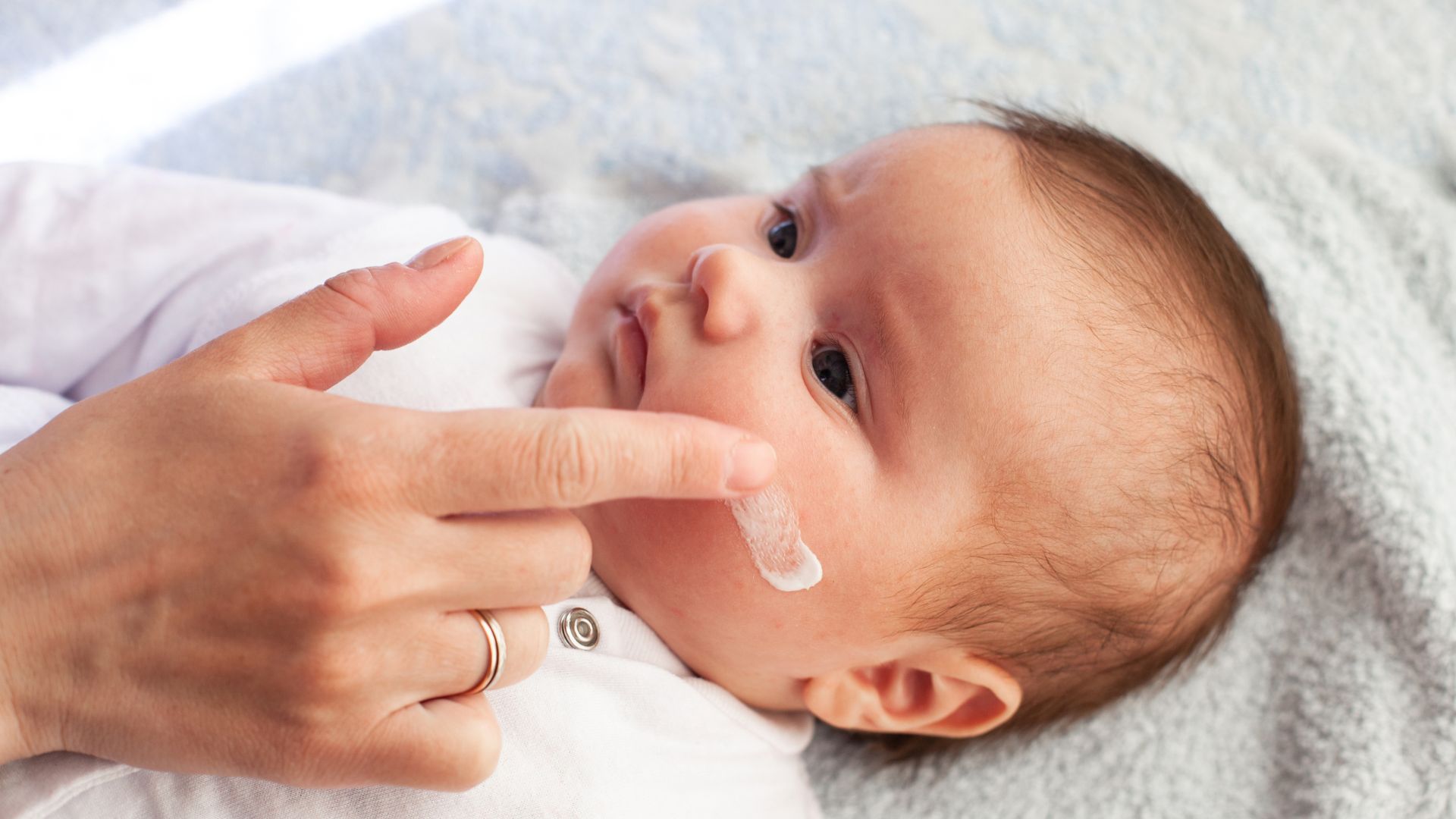
Watching your child scratch their skin raw at 2 AM is every parent’s nightmare.
Eczema is one of the most common skin conditions in kids, and it is more manageable than it feels in those tough moments.
The right cream can calm flare-ups, restore the skin barrier, and give your child real relief. But with so many products on the shelf, picking the right one is overwhelming.
This guide breaks down what eczema actually is, what triggers it, what ingredients to look for, and which are the best eczema creams for kids that dermatologists and parents genuinely trust.
No fluff, no guesswork, just clear and practical information to help you make the right call for your child’s skin.
What Is Eczema?
Eczema, also known as atopic dermatitis, is a chronic skin condition characterized by dry, itchy, inflamed skin.
It is not contagious and commonly appears on the cheeks, arms, and the backs of the knees. There is no permanent cure, but it can be managed effectively with the right routine and products.
What Causes Eczema in Kids?
Eczema does not have a single cause. A mix of genetic and environmental factors is usually responsible. Here is what commonly triggers it:
- Weakened skin barrier: Some kids are born with a skin barrier that does not retain moisture well, making it easier for irritants to get in.
- Genetics: A family history of eczema, asthma, or allergies increases the likelihood of a child developing it.
- Environmental triggers: Dust mites, pet dander, pollen, and mold are common factors that aggravate eczema.
- Harsh products: Soaps and detergents with strong chemicals strip the skin’s natural oils and trigger flare-ups.
- Weather changes: Cold, dry air dehydrates the skin. Hot conditions cause sweating, which is equally irritating.
- Sweat and friction: Tight clothing or prolonged physical activity can rub against the skin and worsen symptoms.
This is exactly why moisturizing is not optional for kids with eczema. Regular moisturizing helps rebuild the skin barrier over time, keeps the skin hydrated, and significantly reduces itching and inflammation.
What to Look for in the Best Eczema Cream for Kids
Not every moisturizer works for eczema-prone skin. The ingredients inside the product make all the difference. Knowing what to pick and what to skip saves you from wasting money on the wrong cream.
| Should Have ✅ | Avoid ❌ |
|---|---|
| Ceramides | Fragrance |
| Colloidal oatmeal | Essential oils |
| Shea butter | Alcohol |
| Glycerin | Dyes |
| Petrolatum |
When in doubt, keep it simple. A shorter, cleaner ingredient list is almost always better for sensitive skin.
10 Best Eczema Creams for Kids
Finding the right cream can feel overwhelming with so many options available. The picks below are dermatologist-recommended, fragrance-free, and formulated specifically for kids with eczema-prone skin.
1. CeraVe Baby Moisturizing Cream
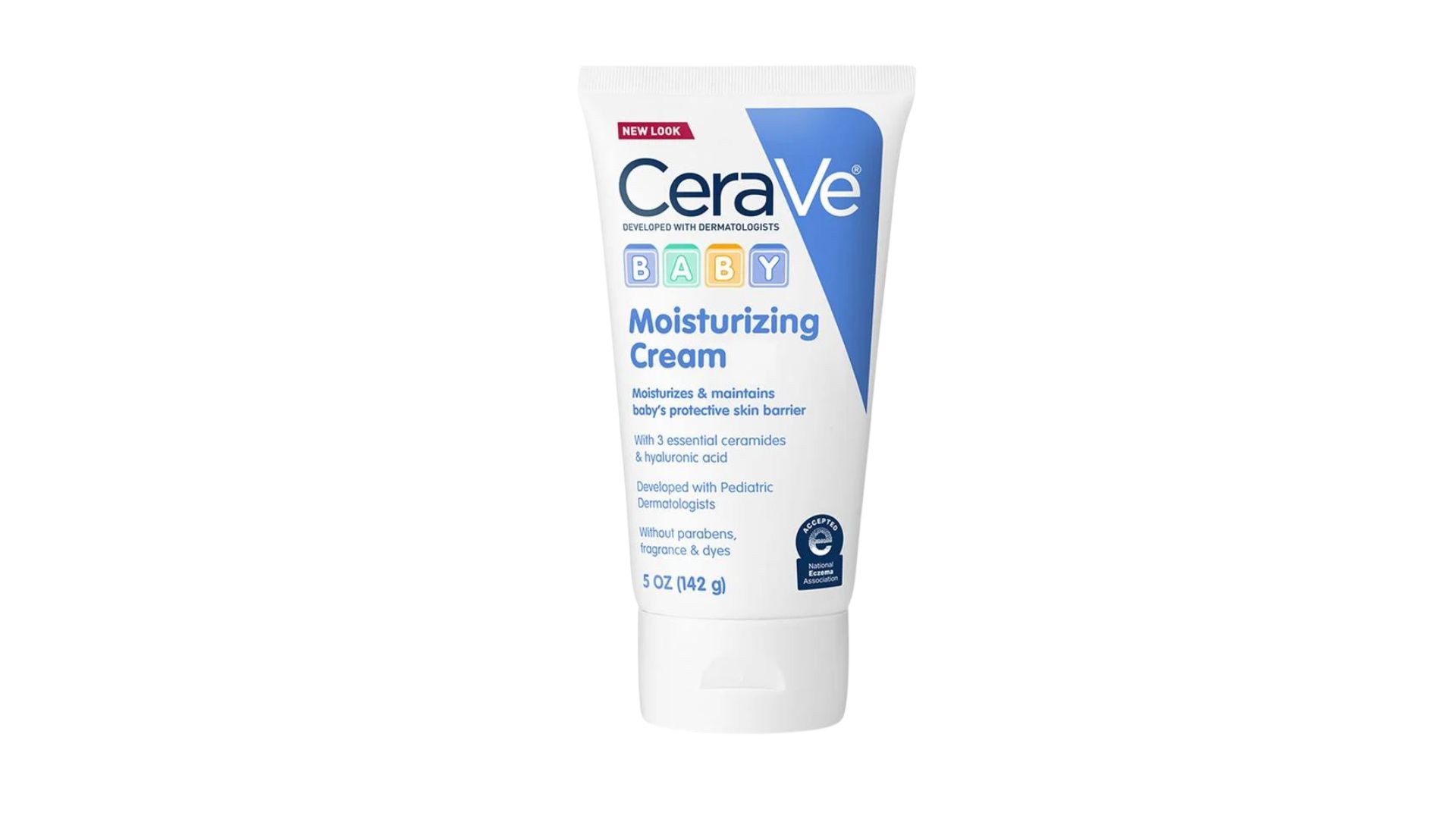
Key Ingredients: Ceramides (1, 3, 6-II), hyaluronic acid, niacinamide
Why It Works: CeraVe’s formula is built around three essential ceramides that directly support the skin barrier. Hyaluronic acid adds deep hydration, while niacinamide calms irritation. It’s developed with dermatologists and fragrance-free, making it a reliable daily option.
Best For: Everyday moisturizing and mild to moderate eczema
Texture: Smooth, non-greasy cream that absorbs well without leaving residue
2. Aveeno Baby Eczema Therapy Moisturizing Cream
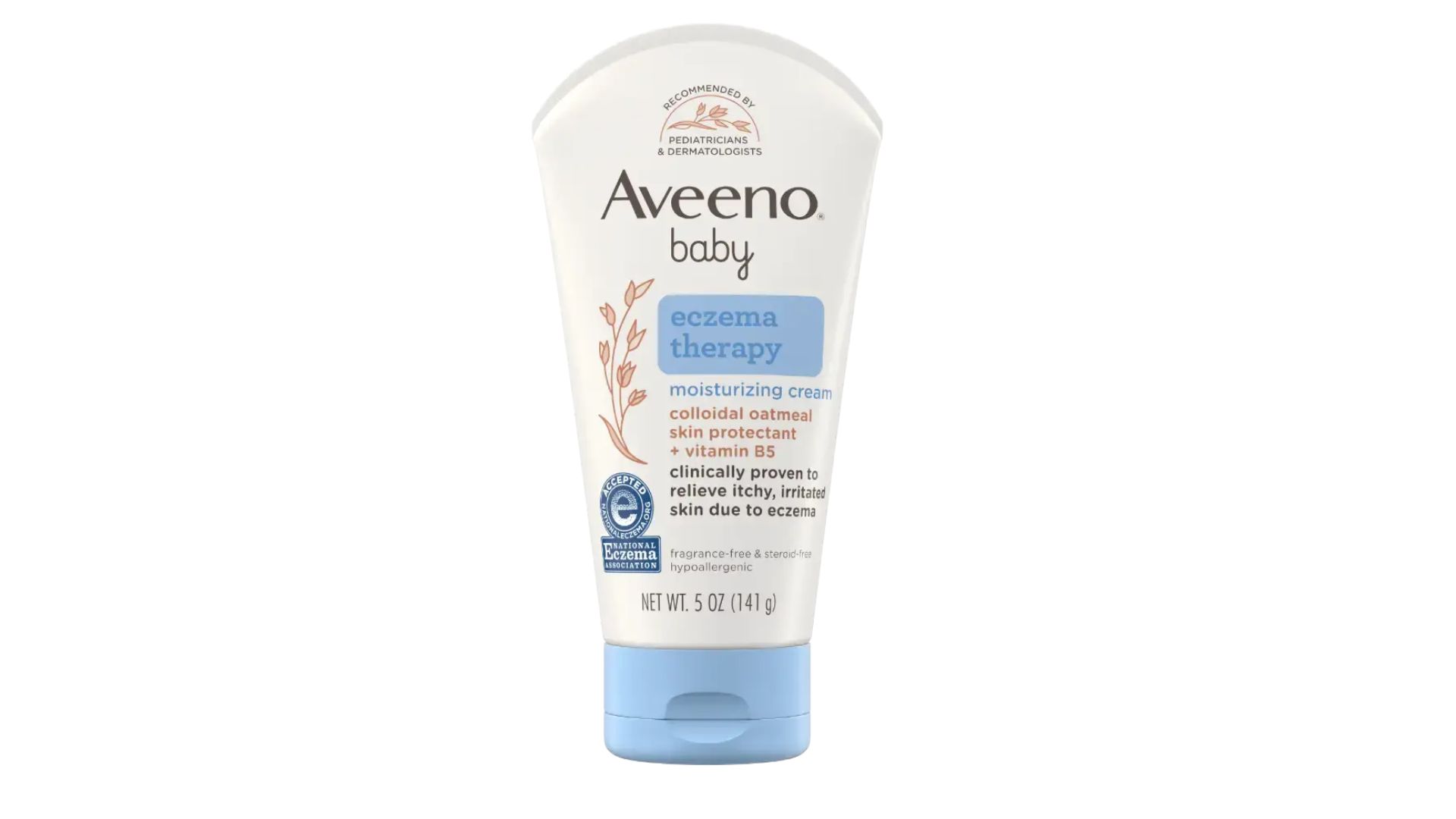
Key Ingredients: Colloidal oatmeal, dimethicone
Why It Works: Colloidal oatmeal is an FDA-recognized skin protectant proven to relieve itch and irritation. Dimethicone adds a layer of protection that seals in moisture. This one is specifically formulated for eczema-prone skin.
Best For: Itchy, irritated skin and flare-up relief
Texture: Thick cream that feels rich without being too heavy
3. Eucerin Baby Eczema Relief Cream
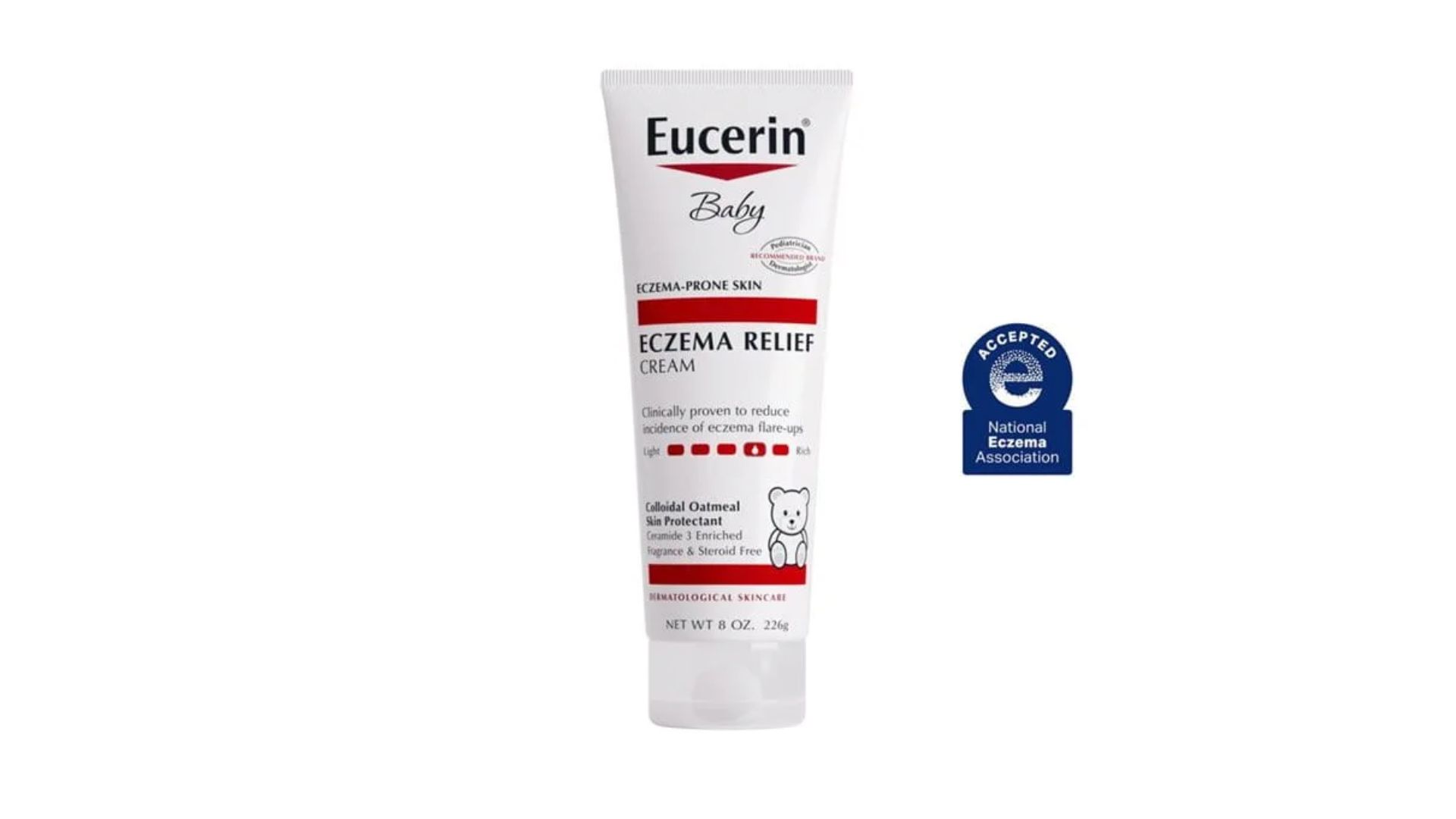
Key Ingredients: Colloidal oatmeal, licochalcone, ceramide-3
Why It Works: Licochalcone is a natural anti-inflammatory derived from licorice root. Combined with colloidal oatmeal and ceramide, this cream addresses both the itch and the barrier issue simultaneously. It’s steroid-free and safe for daily use.
Best For: Soothing active flare-ups while maintaining the skin barrier
Texture: Creamy and smooth, spreads easily on dry or irritated patches
4. Vanicream Moisturizing Cream
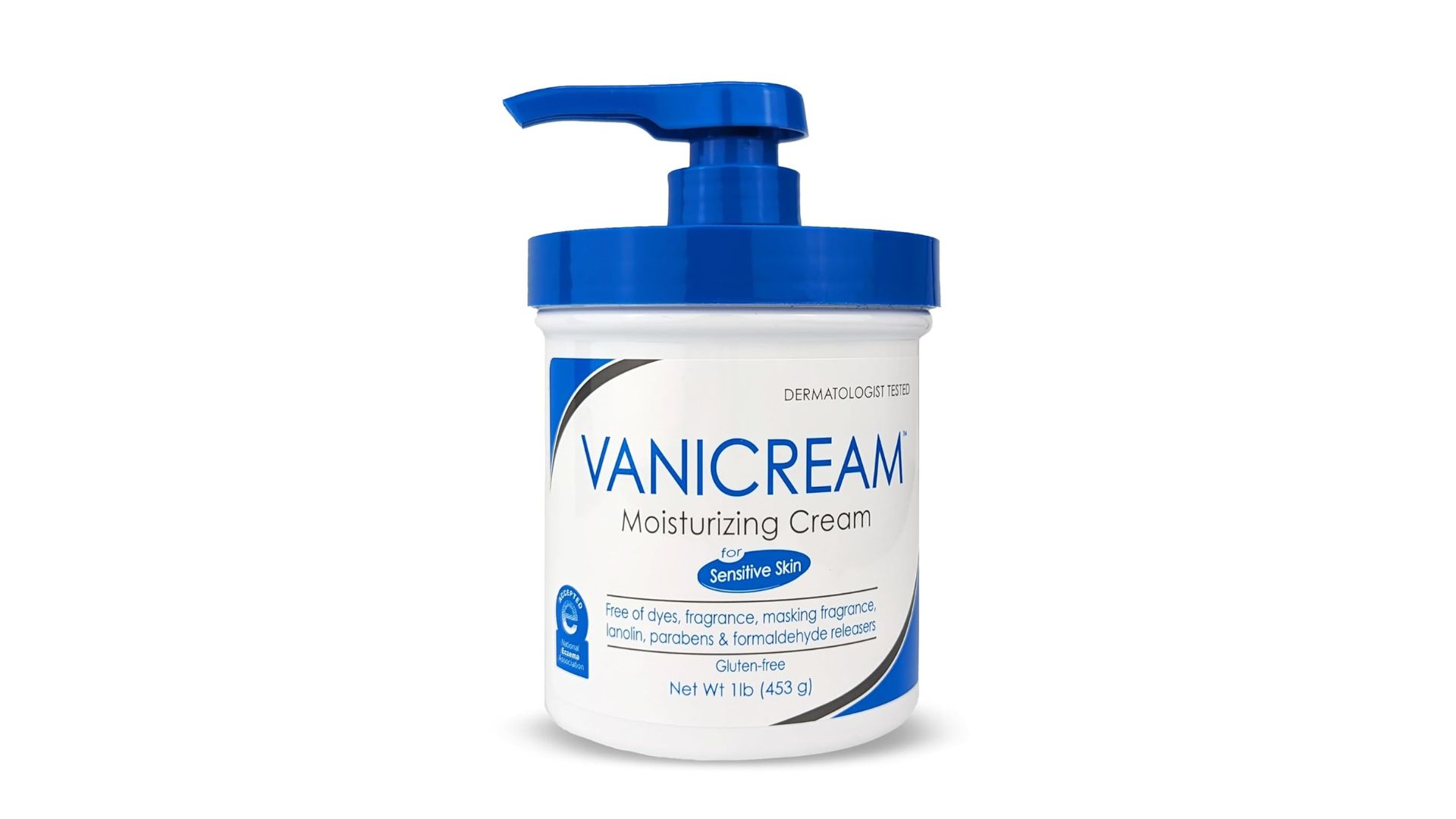
Key Ingredients: Petrolatum, sorbitol, glycerin
Why It Works: Vanicream is a go-to for ultra-sensitive skin. It’s free from dyes, fragrance, lanolin, parabens, and formaldehyde. The petrolatum base creates a strong occlusive layer that holds moisture in effectively.
Best For: Kids with multiple sensitivities or allergies to common cream ingredients
Texture: Dense, rich cream, a little goes a long way
5. Aquaphor Baby Healing Ointment
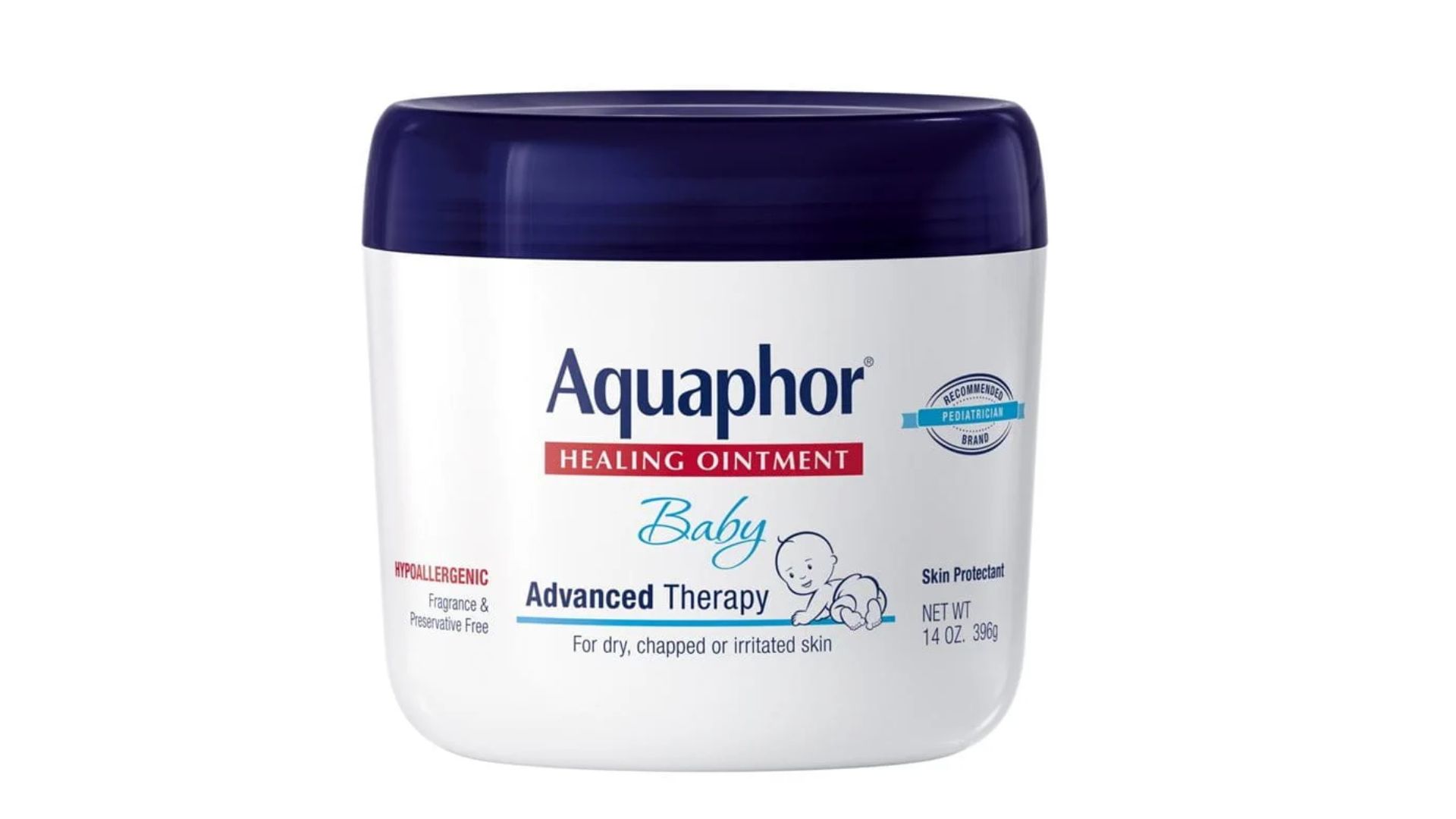
Key Ingredients: Petrolatum (41%), panthenol, bisabolol, glycerin
Why It Works: Aquaphor’s high petrolatum content makes it one of the most effective moisture-barrier products available without a prescription. Panthenol supports skin healing, and bisabolol adds a gentle anti-inflammatory effect.
Best For: Severely dry patches, cracked skin, and post-bath sealing
Texture: Thick ointment, best applied in a thin layer over damp skin
6. Cetaphil Baby Eczema Soothing Lotion
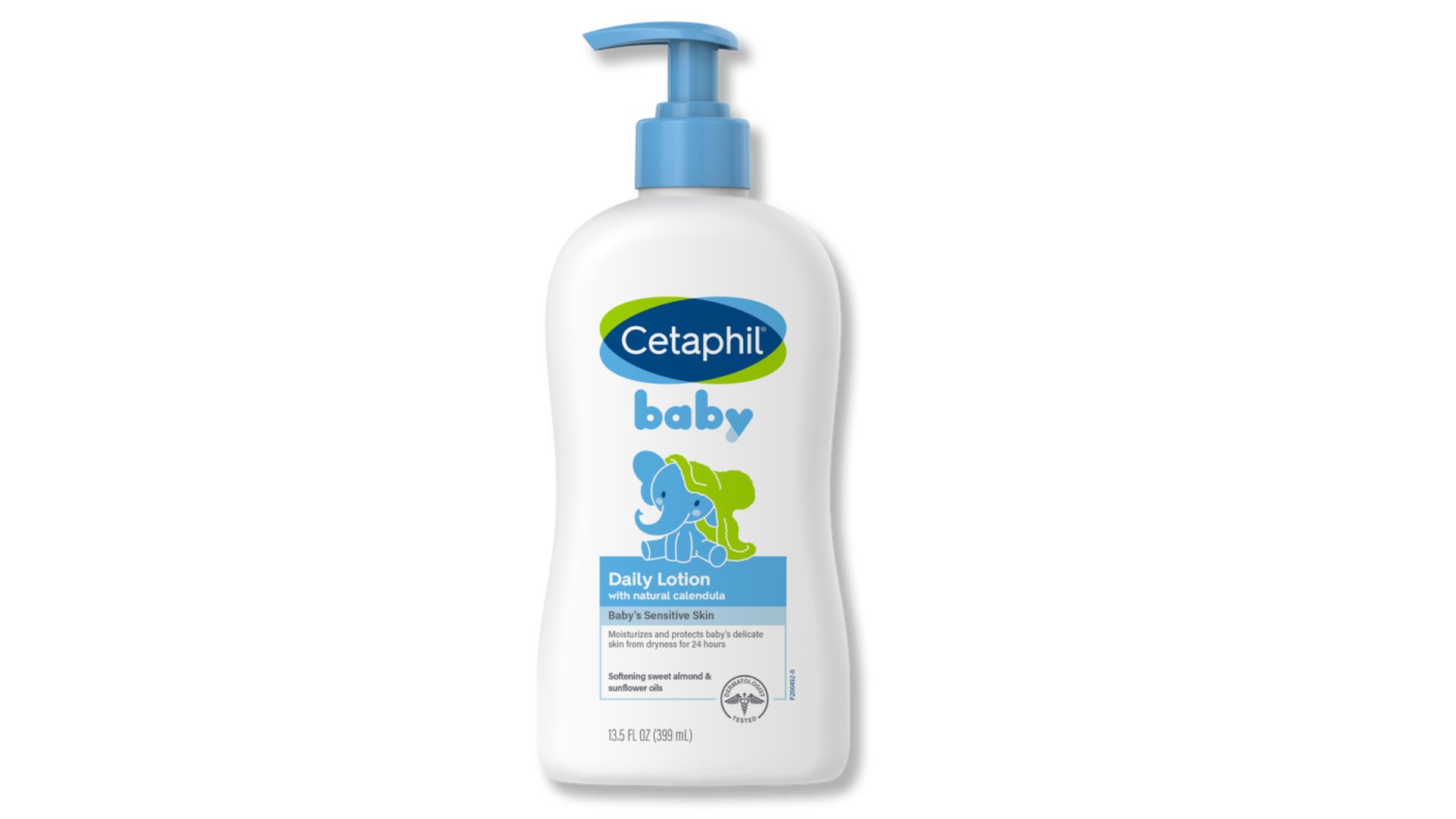
Key Ingredients: Colloidal oatmeal, sunflower seed oil, shea butter
Why It Works: This lotion combines colloidal oatmeal with shea butter and sunflower oil. Sunflower seed oil is rich in linoleic acid, which helps reinforce a damaged skin barrier naturally.
Best For: Daily moisture maintenance and mild eczema
Texture: Lightweight lotion, easier to spread over larger body areas
7. La Roche-Posay Lipikar Balm AP+M
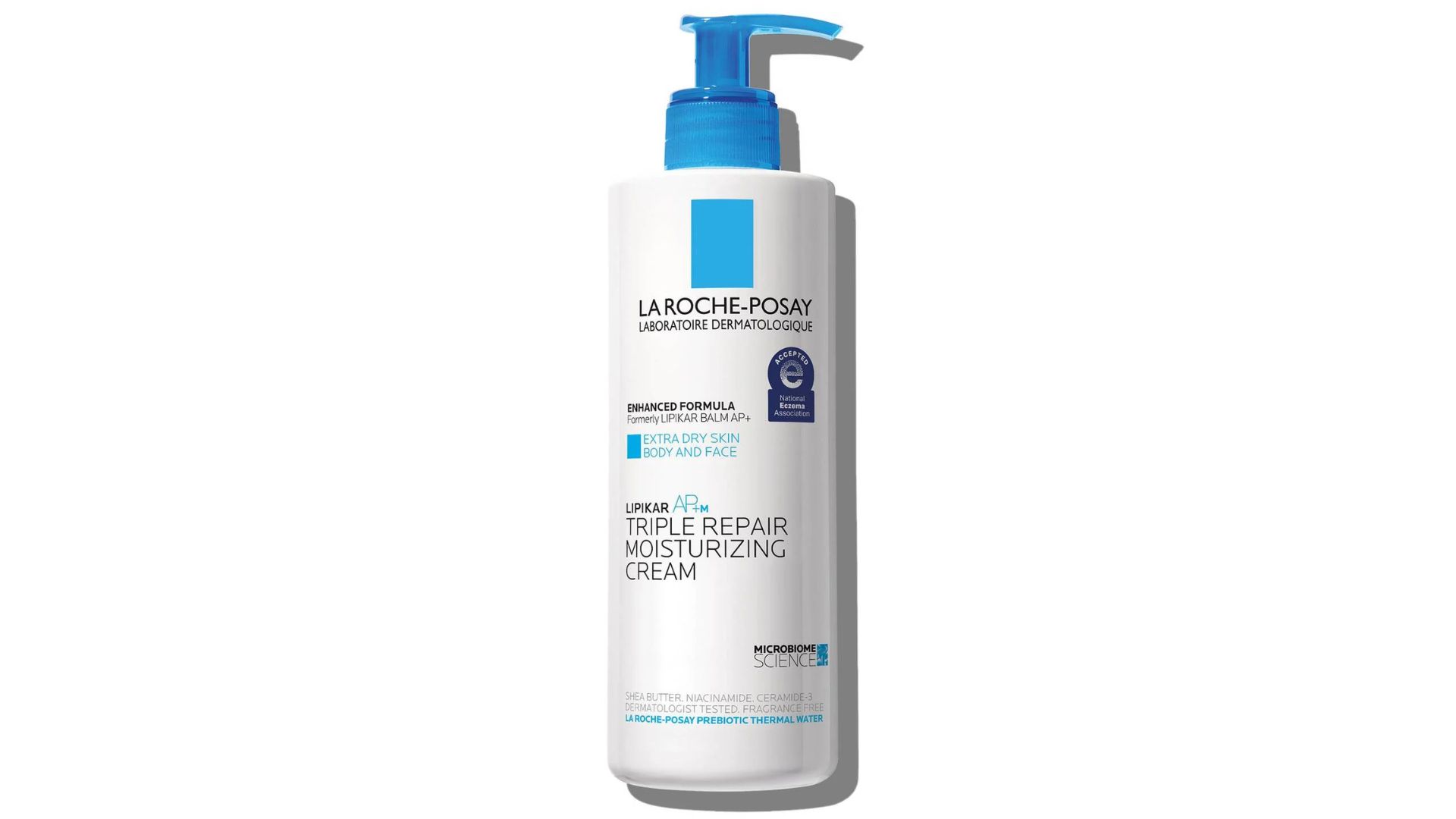
Key Ingredients: Shea butter, niacinamide, glycerin, aqua posae filiformis (microbiome ingredient)
Why It Works: The microbiome-supporting ingredient helps balance the skin’s natural flora, which plays a role in eczema flare-ups. Niacinamide reduces redness, and shea butter delivers intense hydration.
Best For: Moderate to severe eczema and microbiome-sensitive skin
Texture: Rich balm that melts into skin with a slightly heavier feel
8. Tubby Todd All Over Ointment
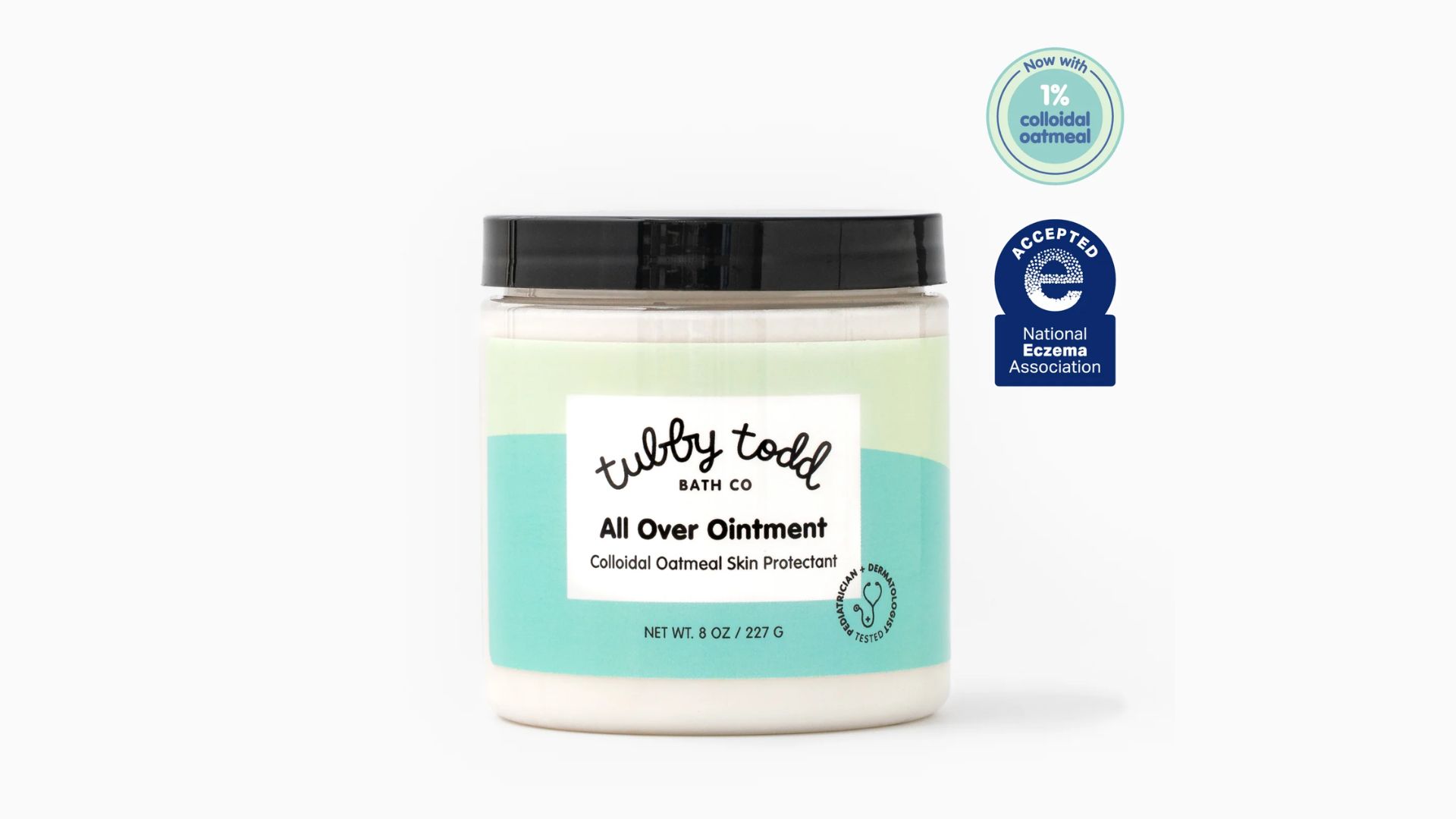
Key Ingredients: Sunflower oil, castor oil, beeswax, calendula extract
Why It Works: Tubby Todd uses a plant-based formula without synthetic additives. Sunflower and castor oils provide strong emollient properties, while calendula soothes irritated skin. It’s free from steroids, parabens, and fragrance.
Best For: Parents looking for a natural, cleaner-label option
Texture: Soft ointment that glides smoothly and absorbs without greasiness
9. Mustela Stelatopia Emollient Cream
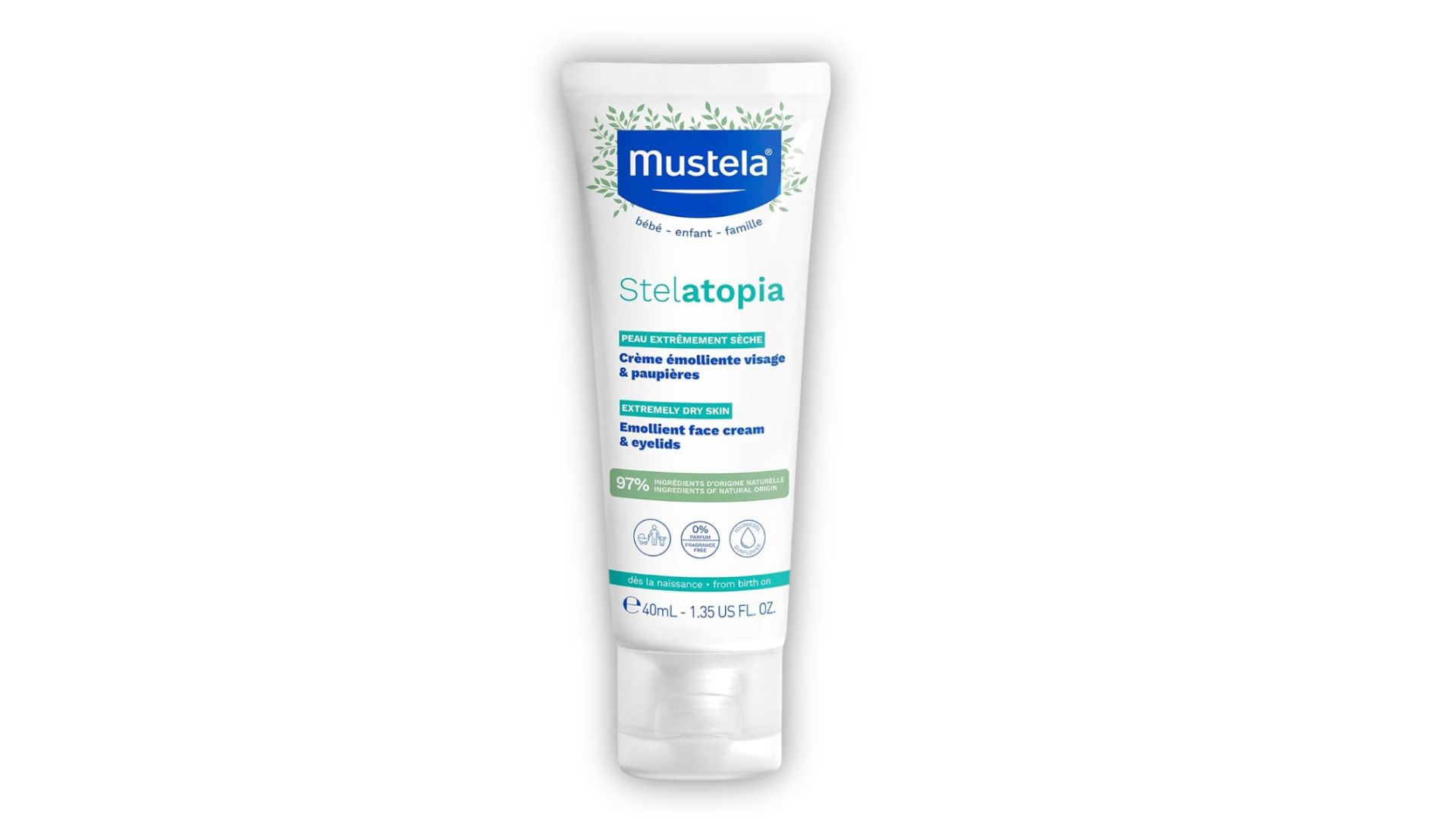
Key Ingredients: Sunflower oil distillate, avocado perseose, Vitamin B5
Why It Works: Mustela developed this cream specifically for eczema-prone skin from birth. The sunflower oil distillate is clinically tested to reduce eczema symptoms, while avocado perseose protects the skin’s vital cells and reinforces the barrier.
Best For: Newborns and infants with eczema-prone skin
Texture: Soft, lightweight cream that absorbs quickly without stickiness
10. Bioderma Atoderm Intensive Balm
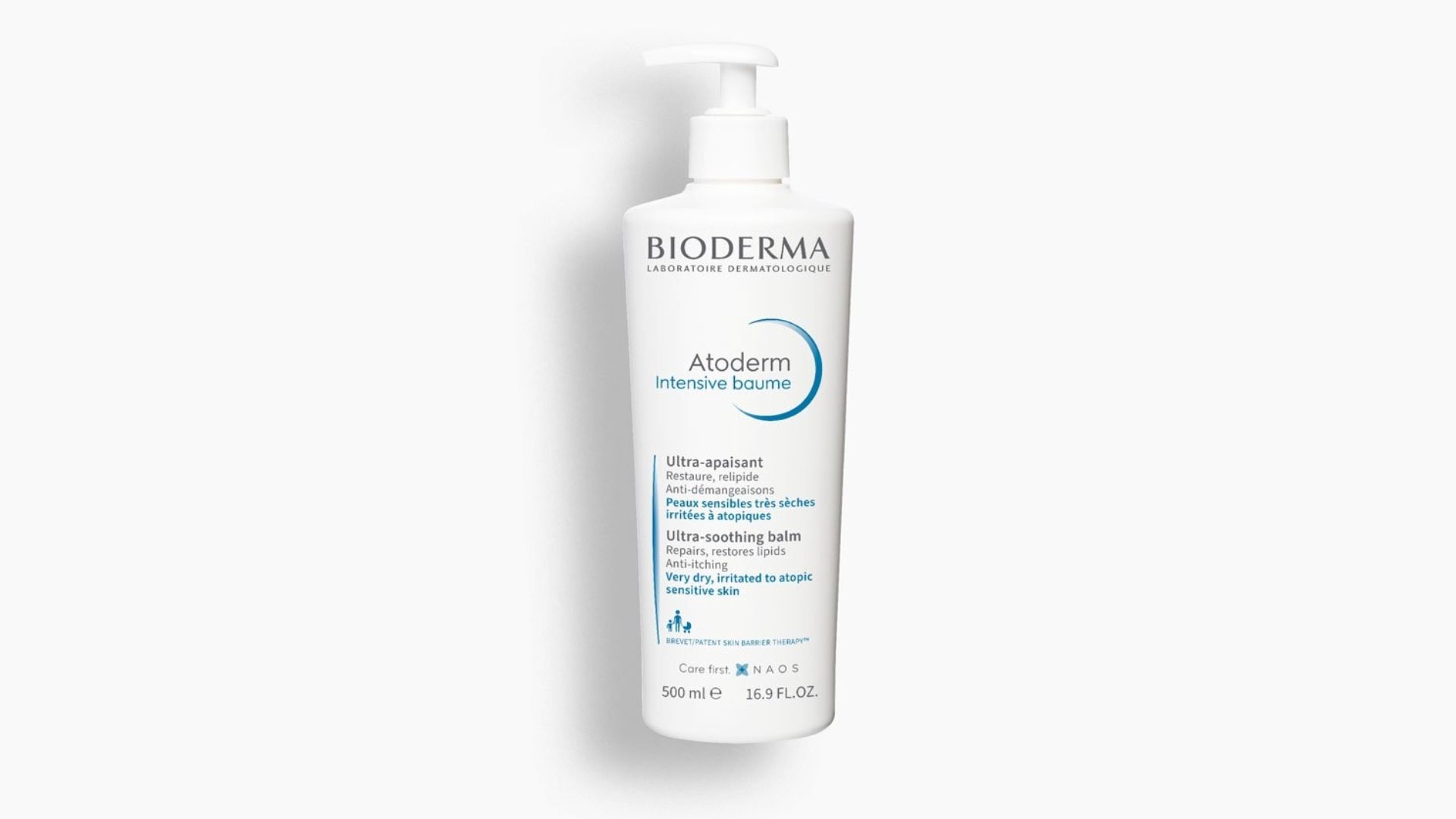
Key Ingredients: Shea butter, glycerin, vitamin E, niacinamide
Why It Works: This balm restores the lipid barrier, reduces inflammatory response, and provides long-lasting hydration. Vitamin E adds antioxidant protection that supports overall skin health.
Best For: Chronic, recurring eczema and dry, thickened skin patches
Texture: Thick, nourishing balm, ideal for nighttime application
How to Apply Eczema Cream for Maximum Relief?
Applying cream the right way matters just as much as picking the right product. Timing and technique can make a significant difference in how well it works.
The 3-Minute Rule After Bathing
Apply cream within three minutes of bathing. This is when the skin is still slightly damp and most receptive to locking in moisture.
Pat the skin dry first, then apply the cream generously. Waiting too long lets moisture evaporate and leaves the skin drier than before the bath.
How Often to Apply
- Apply at least twice a day, once after bathing and once before bed.
- During flare-ups, increase application to three or four times a day on affected areas.
- Always reapply after handwashing or any activity that exposes the skin to water.
- Consistency is key. Skipping days leads to barrier breakdown and more frequent flare-ups.
When to See a Pediatrician?
Home care works for most cases, but some signs call for a doctor’s attention right away. Do not wait too long if things are getting worse.
Signs of Infection
Bacterial infections can develop fast when eczema is left unmanaged. Yellow crusting, oozing, or swelling around affected areas are red flags. A fever alongside a flare-up is another sign to act on immediately.
Severe or Widespread Eczema
Not all flare-ups can be handled at home. If eczema covers large areas of the body or regularly disrupts your child’s sleep, a pediatric dermatologist can step in with a more intensive treatment plan.
When OTC Creams Are Not Enough
Stick to a consistent routine for two to four weeks. If there is little to no improvement, it is time to see a doctor. Frequent flare-ups or unusual skin reactions may indicate an allergy that requires proper testing.
Final Thoughts
Managing eczema in kids takes patience, but the right cream makes the process a whole lot easier.
Whether you go with a dermatologist favorite like CeraVe or a natural option like Tubby Todd, consistency is what truly moves the needle.
Start with a gentle, fragrance-free formula, apply it right after bathing, and stick with it daily. Small habits build a stronger skin barrier over time.
If you are still unsure which cream suits your child best, a quick chat with your pediatrician can point you in the right direction.
Every child’s skin is different, and finding the right fit may take a little trial. But with the right information, you are already one step closer to giving your child the relief they deserve.


