
Everything to Know About Designing a Home that Makes Family Routines Easier
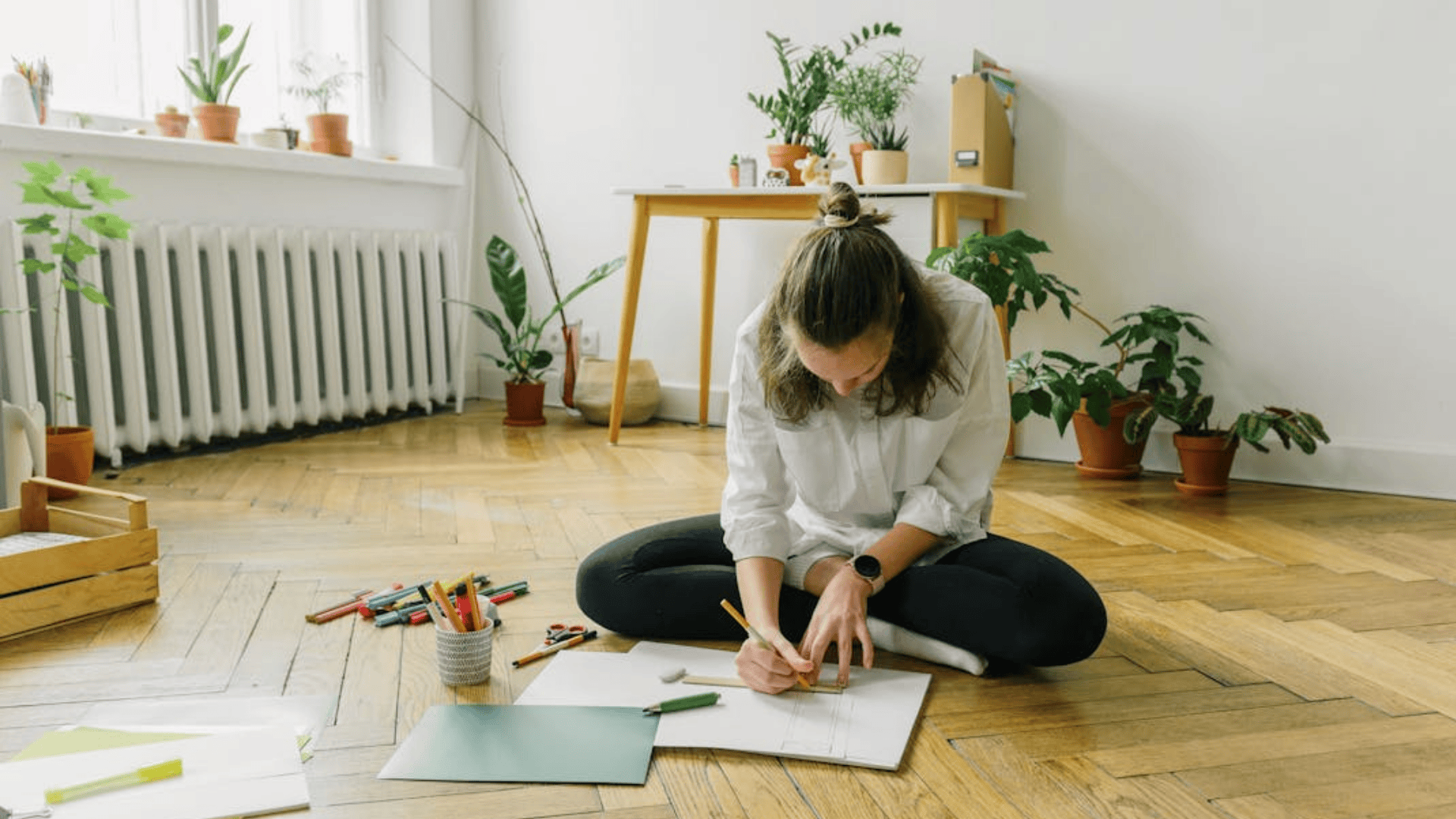
Family life is full of movement, conversation, learning and growing. A well-designed home supports all of this.
It lifts the pressure from busy mornings, makes evenings feel calmer and creates spaces where everyone can enjoy time together without feeling rushed or crowded. When a home feels aligned with your routines, life naturally becomes smoother, lighter and more enjoyable.
Designing a home that empowers your family doesn’t start with décor. It begins with understanding how your household moves, interacts and recharges throughout the day. With a few thoughtful decisions, your home can become a place that inspires confidence, connection and a greater sense of ease.
Start with Flow That Works for Your Family
A happy home is one that allows people to move freely. When rooms connect naturally and pathways are clear, everything feels simpler. Morning routines become quicker. Tidying feels less overwhelming. Children can move between activities without obstacles.
Good flow comes from noticing where bottlenecks happen. Perhaps it’s the hallway where shoes gather, the kitchen that becomes too crowded or the lounge where toys and technology compete for space. Adjusting layouts or shifting furniture to create smoother circulation can have a surprisingly big impact on how calm the home feels.
Prioritise Light to Lift Daily Life
Light helps shape our mood and energy. Homes that welcome abundant natural light tend to feel more uplifting, more open and more supportive for family routines. Bright kitchens encourage healthier starts to the day. Sunlit living spaces make homework or reading time more enjoyable. Bedrooms with soft natural light help set a gentle tone for evenings.
Families who want to amplify this effect often explore features like NOW Aluminium bifold doors, which bring daylight deeper into the home and create a visual openness that supports relaxation and creativity. Light does more than brighten rooms; it brightens experiences.
Create Defined Zones for Key Activities
Family life becomes easier when each activity has a natural place. Designating simple zones helps children understand where things belong and helps parents feel more organised. A reading corner encourages quiet time. A homework table supports focus. A small drop zone near the entry helps manage school bags, coats and daily essentials.
The goal isn’t rigid structure; it’s gentle guidance. When spaces support routines, those routines begin to support you.
Build in Storage That Reduces Stress
A clutter-free home isn’t about perfection; it’s about clarity. Good storage can transform the emotional feel of a space.
When items are easy to put away, the home stays calmer with very little effort. Consider built-in cupboards, shelving that blends into the architecture, storage benches or simple baskets that make tidying quick and intuitive.
Organisation isn’t only about neatness. It helps create space for play, conversation and rest without the constant backdrop of visual noise.
Make the Kitchen a Supportive Hub
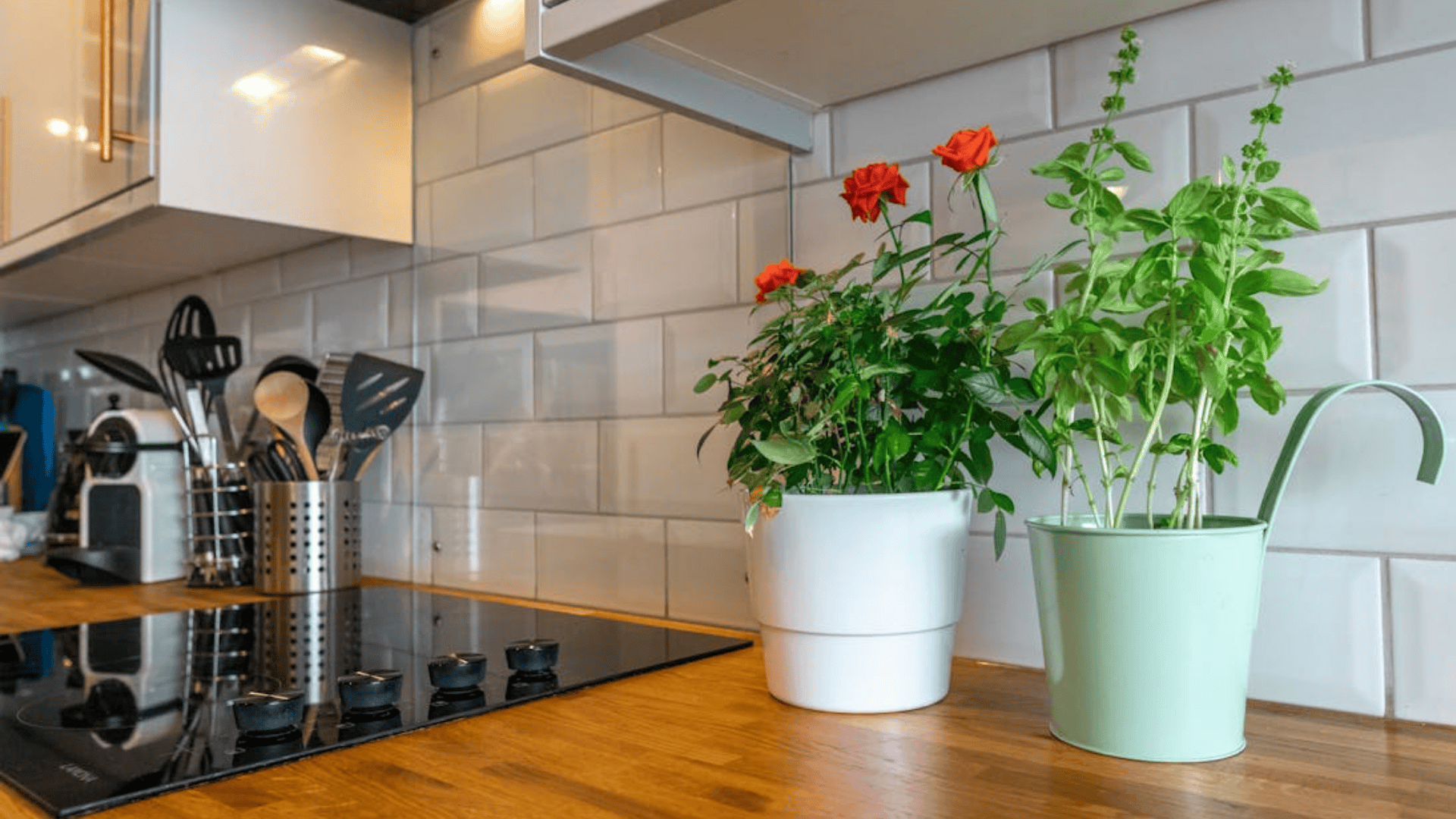
The kitchen is the heartbeat of many homes. Designing it for comfort and efficiency can shift the entire rhythm of family life.
Wide walkways, clear counters, accessible storage and thoughtful placements of appliances encourage smoother mornings, quicker clean-ups and shared mealtimes that feel more enjoyable.
A supportive kitchen reduces daily friction and helps the family gather, talk and reset together.
Design Restful Spaces for Every Family Member
A home that supports routines also supports rest. Bedrooms deserve careful attention, with calming colours, soft textures and layouts that encourage better sleep.
Creating personal spaces, even small ones, gives children and adults the opportunity to recharge and find moments of quiet away from the busyness of the day. Restful spaces restore energy, making daily routines feel less like tasks and more like natural rhythms.
Make Room for Growth and Change
Family needs evolve. Children get older, hobbies shift and routines develop into new patterns. Designing with flexibility in mind allows your home to adapt with you.
This might mean choosing furniture that can be repurposed, creating multi-use rooms or installing features that support both everyday living and future plans. A flexible home grows alongside the family, ensuring that comfort and ease remain constant.
The Heart of Easy Routines
Designing a home that makes routines easier is ultimately about creating harmony. It’s about choosing elements that encourage movement, reduce stress and support connection. It’s about understanding that the best homes aren’t just beautiful. They’re functional, nurturing and aligned with the people who live inside them.
When your home supports your routines, it supports your confidence, your energy and your joy. It becomes a space that strengthens family life in every sense.


