Finding a Healthier Balance Between Motherhood, Wellness, and Weight Goals
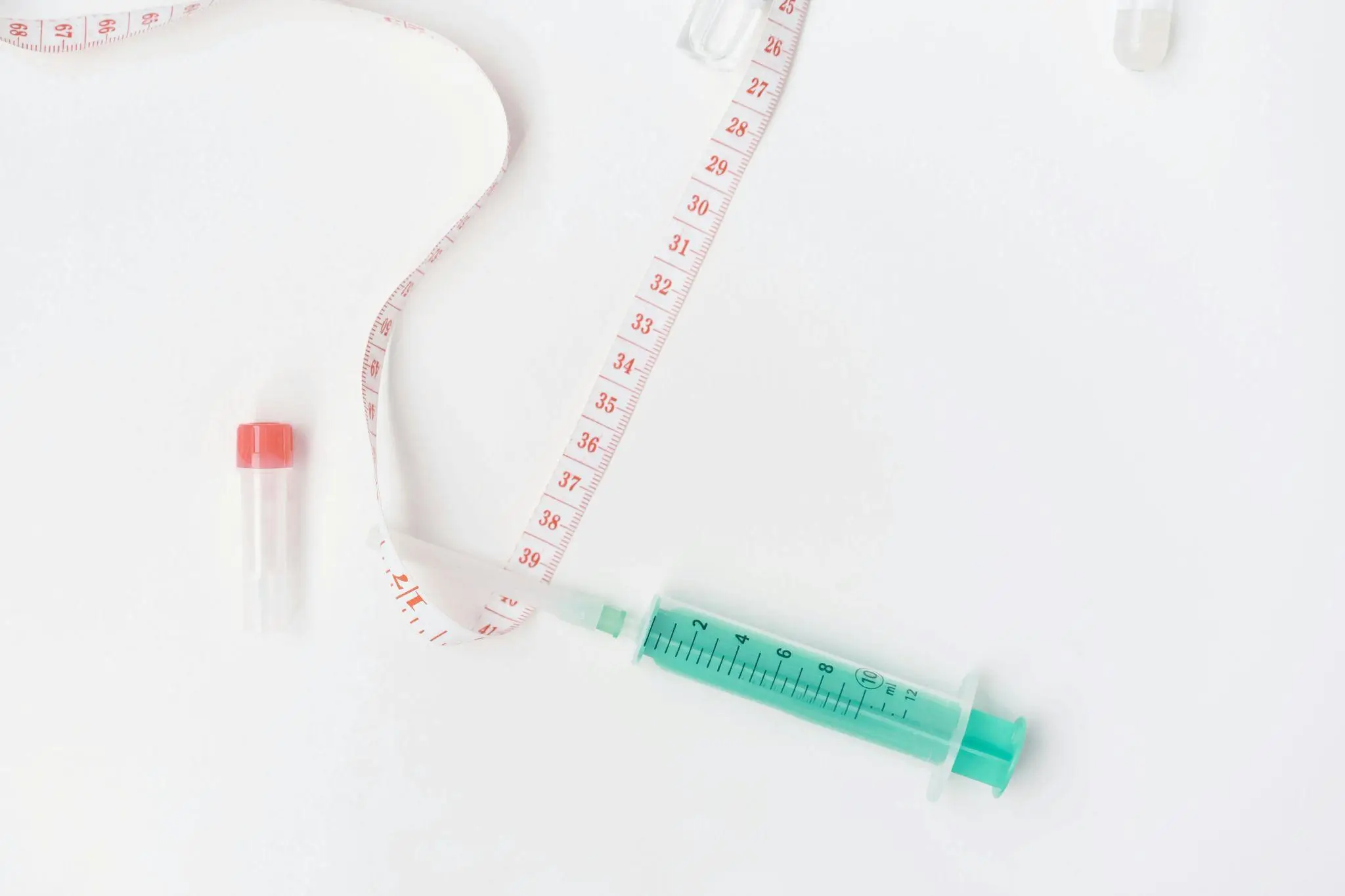
Motherhood can make it surprisingly easy to put your own health on the back burner. There are meals to prepare, appointments to remember, work responsibilities to manage, and countless little things that seem to need attention every day. Somewhere between caring for everyone else and keeping up with life, personal wellness can become an afterthought.
Weight goals can make this even more complicated. Women may feel pressure to lose weight quickly after pregnancy or reach a particular number on the scale.
But a healthier approach is to look beyond weight alone and consider energy, mobility, confidence, nutrition, emotional health, and quality of life.
Finding balance does not mean creating another demanding schedule. It means finding realistic ways to care for your body while accepting that your needs can change throughout different stages of motherhood.
Wellness Is About More Than Weight
Weight is one measurement of health, but it does not tell the entire story. Two people can have the same weight and completely different levels of fitness, nutrition, sleep, stress, and overall health.
For women, wellness can involve several interconnected areas:
- Eating nutritious and satisfying meals
- Staying physically active
- Getting enough sleep
- Managing stress
- Maintaining meaningful relationships
- Making time for personal interests
- Keeping up with appropriate healthcare
- Feeling comfortable and confident in your body
These areas can influence one another. Poor sleep, for example, can leave you feeling exhausted and make it harder to stay active.
High stress can affect eating habits and motivation. Likewise, regular movement and balanced meals may contribute to better energy and mood.
This is why a healthy weight goal should be part of a larger wellness plan rather than the only goal.
The Reality of Weight Management for Moms
Busy mothers often face practical challenges that make traditional weight-loss advice difficult to follow. “Just exercise more” may sound simple until you are trying to fit a workout between school drop-offs, work, dinner, and bedtime routines.
The same applies to food. Preparing nutritious meals is easier when you have plenty of time, but real life does not always cooperate.
Instead of aiming for perfection, consider making small changes that can realistically fit into your routine.
For example:
- Plan a few simple meals each week.
- Keep nutritious snacks available for busy days.
- Take short walks when a full workout is not possible.
- Drink water regularly throughout the day.
- Protect your sleep whenever your schedule allows.
- Find simple ways to manage stress.
Small habits may seem insignificant individually, but they can become meaningful when practiced consistently.
Setting More Realistic Weight Goals
A healthy weight goal should be personal. Comparing your body with celebrities, influencers, friends, or even your younger self can create unnecessary frustration.
Your body may have changed because of pregnancy, age, hormonal fluctuations, lifestyle changes, or other factors. That does not mean you have failed.
Instead, consider goals that focus on how you want to feel and function.
You might want to:
- Have more energy during the day
- Feel more comfortable during physical activity
- Improve your eating habits
- Become stronger
- Reduce certain health risks
- Feel more confident in your clothes
- Develop habits you can maintain long term
Weight loss can be one part of these goals, but it does not need to define your entire wellness journey.
When Lifestyle Changes Need Additional Support
Healthy eating and physical activity remain important parts of weight management. However, some people find that lifestyle changes alone do not produce the results they expect.
This can happen for many reasons, including genetics, metabolic factors, medications, medical conditions, and other individual circumstances.
For eligible patients, medical weight management may provide another layer of support. One option that has received considerable attention is tirzepatide, a medication that acts on GIP and GLP-1 receptors and is used alongside diet and physical activity for chronic weight management in appropriate patients.
A tirzepatide weight loss treatment may help eligible individuals manage appetite and food intake, which can make it easier for some people to follow a sustainable nutrition plan.
Clinical studies have demonstrated substantial weight loss in adults with obesity or overweight and certain health-related conditions when tirzepatide was used alongside lifestyle intervention.
However, medication is not a magic solution. Results vary from person to person, and treatment can have side effects and medical considerations. It should be discussed with a qualified healthcare professional who can determine whether it is appropriate.
Making Treatment Part of a Wellness Plan
If medical weight management becomes part of your journey, it should ideally complement healthy lifestyle habits rather than replace them.
Think of treatment as one piece of a bigger picture:
Medical support + nutritious food + movement + sleep + stress management + realistic goals = a more complete approach to wellness.
This mindset can also make weight management feel less like a temporary diet and more like a long-term health journey.
The Importance of Medical Evaluation
Before starting any prescription weight-management medication, a healthcare professional should review your health history, current medications, medical conditions, and individual goals.
Women researching a good faith exam for aesthetic clinics may come across this terminology while researching medical and wellness services. The exact requirements and evaluation process can vary depending on the provider, service, and applicable regulations, so it is important to ask what type of assessment is performed before treatment.
Medical oversight is equally important. Patients researching collaborating physician services should understand who is involved in their care, the qualifications of the professionals involved, and how medical decisions and follow-up are handled.
Taking the time to ask these questions can help you feel more informed and comfortable with your healthcare choices.
Don’t Forget Emotional Wellness
Weight goals can sometimes become emotionally exhausting. Constantly checking the scale or feeling guilty about food can take the joy out of everyday life.
Your mental and emotional well-being deserves the same attention as your physical health.
If weight concerns are affecting your confidence or relationship with food, consider talking with a qualified mental health or healthcare professional. Support can help you develop healthier expectations and work through the emotional side of body image and weight management.
You deserve to pursue health without constantly criticizing yourself.
Finding Balance in Everyday Life
Balance does not mean doing everything perfectly. It means creating a lifestyle that is sustainable enough to continue even when life gets busy.
Some days, you may have time for a full workout and a carefully prepared meal. Other days, you may only manage a short walk and whatever healthy option is easiest. Both days can be part of a healthy lifestyle.
Motherhood is demanding, and your wellness journey does not have to become another source of pressure.
The goal is to build habits that support the life you actually live. Whether that means improving your nutrition, becoming more active, getting better sleep, seeking professional support, or discussing medical weight-management options with a qualified provider, every step can contribute to a healthier relationship with your body.
Ultimately, finding a healthier balance between motherhood and personal wellness is not about becoming a different person. It is about making room for yourself, too.
Your health matters, your well-being matters, and taking care of yourself can be an important part of taking care of the people you love.