Is Your Baby Too Sleepy? A Parent’s Guide to When to Worry
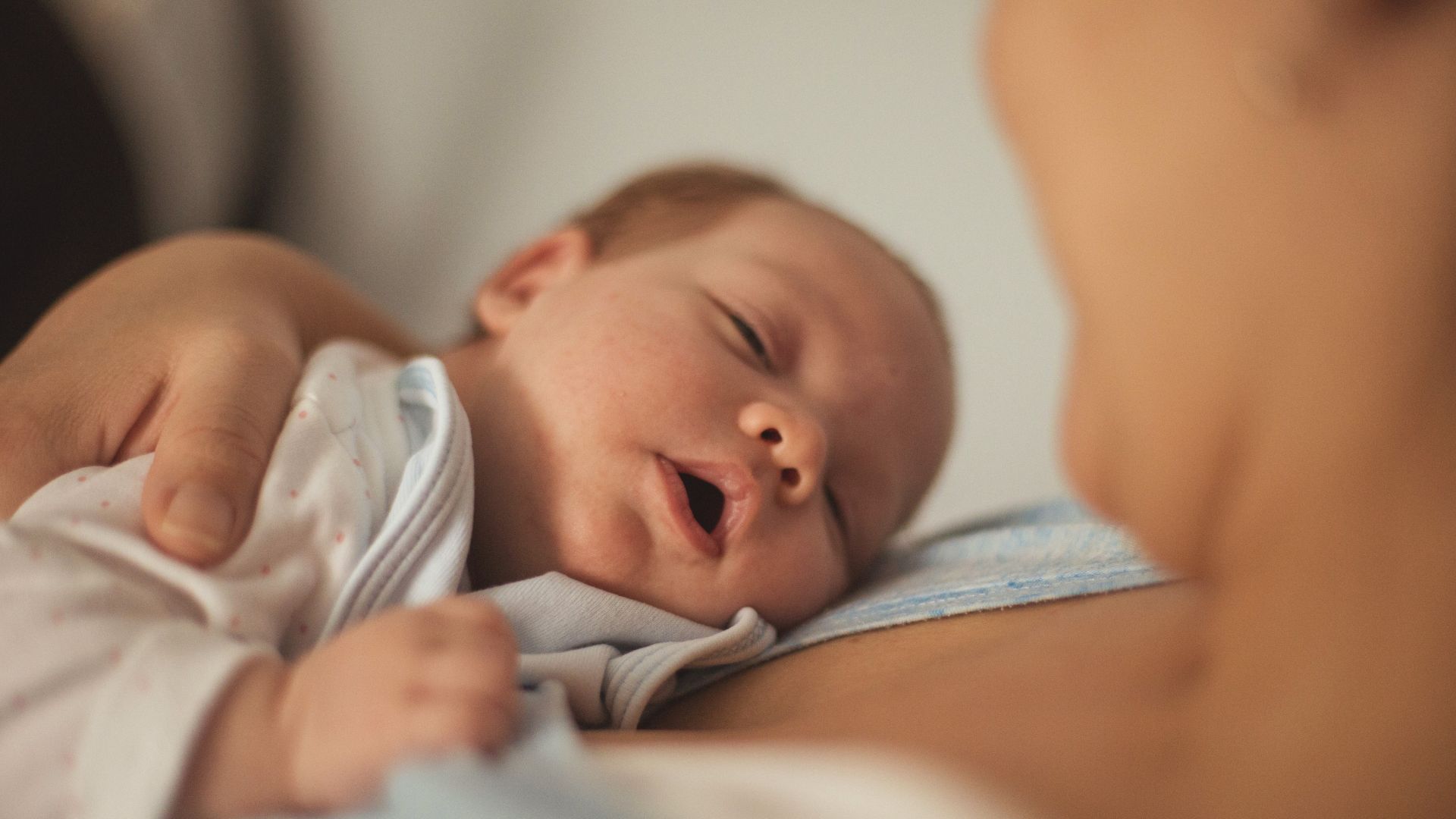
You’re watching your newborn sleep for the fifth hour straight, and that nagging voice in your head whispers: “Is this normal?”
Here’s the thing: babies are champion sleepers, especially in those early weeks. But sometimes, that peaceful slumber crosses into concerning territory.
The line between “my baby loves sleep” and “sleepy baby when to worry” isn’t always clear. Most parents lose sleep (ironically), wondering if their baby is sleeping too much.
This guide will help you tell the difference between normal newborn sleepiness and warning signs that need a doctor’s attention.
While babies do need lots of rest, excessive sleepiness can signal something more serious.
Let’s break down what’s typical, what’s not, and when it’s time to act.
Is It Normal for a Baby to Be Very Sleepy?
Yes, babies are naturally sleepy creatures, especially in those first few weeks. Their little bodies are working overtime to grow and develop, which requires serious rest. But “very sleepy” can mean different things at different ages.
How Much Do Newborns Sleep?
| Age | Total Sleep (24 hours) | Sleep Pattern |
|---|---|---|
| 0-3 months | 14-17 hours | Short bursts of 2-4 hours around the clock |
| 3-6 months | 12-15 hours | Longer nighttime stretches begin |
| 6-12 months | 12-14 hours | More consolidated night sleep plus naps |
| 1 year | 11-14 hours | Established nighttime sleep with 1-2 naps |
Newborns sleep differently from older babies. Their tiny stomachs can’t hold much, so they wake frequently to eat, typically every 2 to 3 hours.
They cycle through sleep stages differently than adults, spending more time in active REM sleep, which is why they twitch, make noises, and seem restless.
Why Babies Seem Sleepier in the First Weeks?
Birth is exhausting, and those first weeks are all about recovery and adjustment.
Growth spurts hit around 2 weeks, 3 weeks, 6 weeks, and 3 months, making babies sleep more as their bodies channel energy into rapid development.
You’ll also notice cluster feeding, when babies feed frantically for hours, then crash into deep recovery sleep, especially in the evenings.
Sleepy Baby Warning Signs Parents Should Not Ignore

While sleepiness is usually normal, certain signs may indicate something more serious. Here’s what to watch for:
Sign 1: Hard to Wake for Feedings
Newborns need to eat every 2 to 3 hours. If your baby is sleeping through feeding times and is difficult to rouse, they’re not getting the nutrition they need.
A newborn who sleeps 5 or 6 hours without waking on their own may be too lethargic to signal hunger. Missing feeds can quickly lead to dehydration and weight loss.
Sign 2: Weak or Poor Feeding
It’s one thing for a baby to drift off after a full feeding. It’s another if they conk out within seconds of latching or starting a bottle, barely taking anything in.
Healthy babies typically feed actively for 10 to 20 minutes. If your baby consistently falls asleep after just a few sucks and seems too tired to continue, something may be wrong.
Sign 3: Fewer Wet or Dirty Diapers
Diaper output is one of the best indicators of whether your baby is eating enough. By day 5, expect at least 6 wet diapers and 3 to 4 dirty diapers daily.
Fewer than 6 wet diapers in 24 hours suggests dehydration. Watch for dark urine, dry mouth, a sunken soft spot, and no tears when crying.
Sign 4: Fever or Unusually Cold Body
Any fever (rectal temperature of 100.4°F or higher) in a baby under 3 months requires immediate medical attention.
Even if your baby seems sleepy but otherwise okay, don’t wait. A baby who feels cold to the touch or has a body temperature below 97°F may have an infection or other serious condition.
Sign 5: Trouble Breathing or Unusual Sounds
Respiratory issues can make babies lethargic as their bodies work harder to breathe. Watch for breathing faster than 60 times per minute, grunting with each breath, or flared nostrils.
These indicate that your baby is working hard to breathe. Bluish lips, tongue, or skin mean your baby isn’t getting enough oxygen. Call 911 immediately.
Sign 6: Extreme Lethargy
There’s a difference between a sleepy baby and a lethargic one. A normally sleepy baby still responds when you undress them, change their diaper, or gently stimulate them.
They might fuss, move their arms and legs, or briefly open their eyes. A lethargic baby is floppy, unresponsive, or extremely difficult to wake.
They may not react to uncomfortable stimuli, such as a diaper change. This lack of response is what makes lethargy worrisome.
Common Causes of Excessive Sleepiness in Babies
Sometimes babies are extra sleepy for reasons that aren’t emergencies but still need monitoring.
Growth Spurts and Developmental Leaps – During these periods, babies need more rest as their brains and bodies develop rapidly. This increased sleepiness usually lasts a few days, and your baby still wakes for feedings.
Mild Illness (Cold, Viral Infection) – Just like adults, babies sleep more when fighting off a virus. If they’re still feeding reasonably well and having normal diaper output, this extra sleep helps them recover.
Jaundice in Newborns – Jaundice causes yellowing of the skin and eyes and can make babies very sleepy. Severe jaundice needs treatment because it can become dangerous if left unchecked.
Dehydration – When babies don’t get enough fluids, they become lethargic. This creates a concerning cycle in which sleepiness prevents feeding, which in turn worsens dehydration.
Low Blood Sugar – Newborns, especially those born to mothers with diabetes or those who are premature, can develop low blood sugar. This makes them extremely sleepy and unable to feed well.
Infections (including serious bacterial infections) – Infections such as sepsis, meningitis, or urinary tract infections can cause excessive sleepiness. Babies don’t always show obvious signs of infection, so unexplained lethargy should always be evaluated.
Sleepy Baby Not Eating Well: What It Could Mean
When sleepiness and poor feeding go hand in hand, it’s time to pay close attention.
Feeding patterns that matter – Track how long your baby feeds and how often. Newborns should feed 8 to 12 times in 24 hours. If your baby is consistently taking less than 10 minutes per feeding or spacing feeds more than 4 hours apart, mention it to your doctor.
Weight gain concerns – Babies typically lose up to 10% of their birth weight in the first few days, then regain it by two weeks. If your baby isn’t gaining weight appropriately or continues losing weight, poor feeding due to excessive sleepiness could be the culprit.
When feeding issues become urgent – If your baby has gone more than 4 to 5 hours without eating in the newborn period, refuses multiple feedings in a row, or shows signs of dehydration alongside sleepiness, contact your pediatrician right away.
When to Call the Doctor Immediately?
- Any rectal temperature of 100.4°F or higher in a young infant is an emergency that requires immediate evaluation.
- If you can’t wake your baby with normal measures like undressing, diaper changes, or gentle stimulation, or if they’re limp and unresponsive, call 911 or go to the emergency room.
- Fewer than 6 wet diapers in 24 hours, dark urine, dry mouth, sunken fontanelle (soft spot), no tears when crying, or extreme lethargy all signal dehydration that needs urgent care.
- Rapid breathing (over 60 breaths per minute), grunting, chest retractions, flared nostrils, or blue-tinged skin require immediate medical attention.
- Stiffening, rhythmic jerking, eye rolling, or unresponsiveness that doesn’t match normal newborn reflexes could indicate a seizure. Call for emergency help right away.
The Bottom Line
Here’s what every parent needs to hear: most of the time, your sleepy baby is perfectly fine.
They’re doing exactly what they should, growing and developing. But you know your baby better than anyone else.
If that little voice in your head says something’s off, listen to it. Don’t second-guess yourself or worry about “bothering” the doctor.
Pediatricians would much rather reassure a concerned parent than miss something important.
So keep an eye on those warning signs we talked about, trust your instincts, and never hesitate to pick up the phone.
When it comes to your baby’s health, there’s no such thing as overreacting. You’ve got this, and help is always just a call away.