The 10 Commandments for Kids Made Easy and Understandable

Ever wonder how to teach your kids the difference between right and wrong in a way that actually sticks?
The answer might be older than you think.
The 10 Commandments have been guiding families for thousands of years, and they’re just as relevant today as they were back then. These aren’t complicated rules written in confusing language.
They’re simple, straightforward guidelines that help kids understand how to treat God, their families, and others with respect and kindness.
Whether you’re a parent, teacher, or just someone who cares about raising good humans, teaching these commandments can make a real difference in how children see the world and their place in it.
What Are the 10 Commandments for Kids?
The Ten Commandments are ten important rules that God gave to people a long time ago. Think of them as guidelines for living a good life and treating others well.
Here’s the complete list:
- You shall have no other gods before Me
- You shall not make idols
- You shall not take the name of the Lord your God in vain
- Remember the Sabbath day, to keep it holy
- Honor your father and your mother
- You shall not murder
- You shall not commit adultery
- You shall not steal
- You shall not bear false witness (lie)
- You shall not covet (want what others have)
Here’s what makes them special:
- They’re written as clear rules, not suggestions
- Each commandment teaches something important about respect and kindness
- They help us make good choices every single day
- They’ve been guiding people for thousands of years
Kids can understand these rules because they’re straightforward. They tell us what to do and what not to do. No confusing language. No hidden meanings. Just simple truths about how to be a good person.
The commandments are kind of like the rules you follow at school or home. But these rules come from God and apply to everyone, everywhere.
The Story Behind the 10 Commandments

Long ago, there was a man named Moses. He was a leader who helped guide the Israelites (God’s people) out of slavery in Egypt. Moses was brave, faithful, and trusted by God for an important mission.
One day, God called Moses to the top of Mount Sinai. This wasn’t just any mountain. It was a holy place where Moses would meet with God.
While Moses was on the mountain, something amazing happened. God spoke to him and gave him the Ten Commandments. These weren’t written on paper. They were carved into two stone tablets by God himself.
When Moses came down from the mountain, he carried these tablets with him. The stone tablets were heavy and important. They contained the rules that would help people live better lives together.
The people gathered around Moses to hear what God had said. These commandments became the foundation for how they would treat God, each other, and themselves.
Why Kids Should Learn the 10 Commandments?
Learning the kids’ 10 commandments helps children understand what’s right and wrong in everyday life.
- Building character: They teach respect, honesty, and responsibility from an early age
- Making better choices: Kids learn to think before they act
- Getting along with others: The commandments show how to treat friends, family, and even strangers with kindness
- Understanding consequences: Children see that actions have results, both good and bad
- Creating habits: Following these rules helps kids develop positive behaviors that last a lifetime
At home, kids who know the commandments are more likely to listen to their parents and help around the house.
At school, they understand why cheating is wrong and why telling the truth matters. With friends, they learn to be loyal, honest, and kind.
These aren’t just religious rules. They’re life skills that help kids become good people.
Bible Verses That Support the 10 Commandments
The Bible is full of verses that help us understand and remember these important rules.
From Exodus (where the story begins):
“And God spoke all these words: ‘I am the Lord your God…'” (Exodus 20:1-2)
This is where God introduces the commandments to Moses and the people.
Jesus also taught about them:
“Love the Lord your God with all your heart and with all your soul and with all your mind.” (Matthew 22:37)
Jesus summed up the first commandments in this beautiful way.
“Love your neighbor as yourself.” (Matthew 22:39)
This covers the commandments about how we treat other people.
A verse kids can easily remember:
“Children, obey your parents in the Lord, for this is right.” (Ephesians 6:1)
This connects directly to honoring your father and mother.
Kid-Friendly Explanation of the 10 Commandments
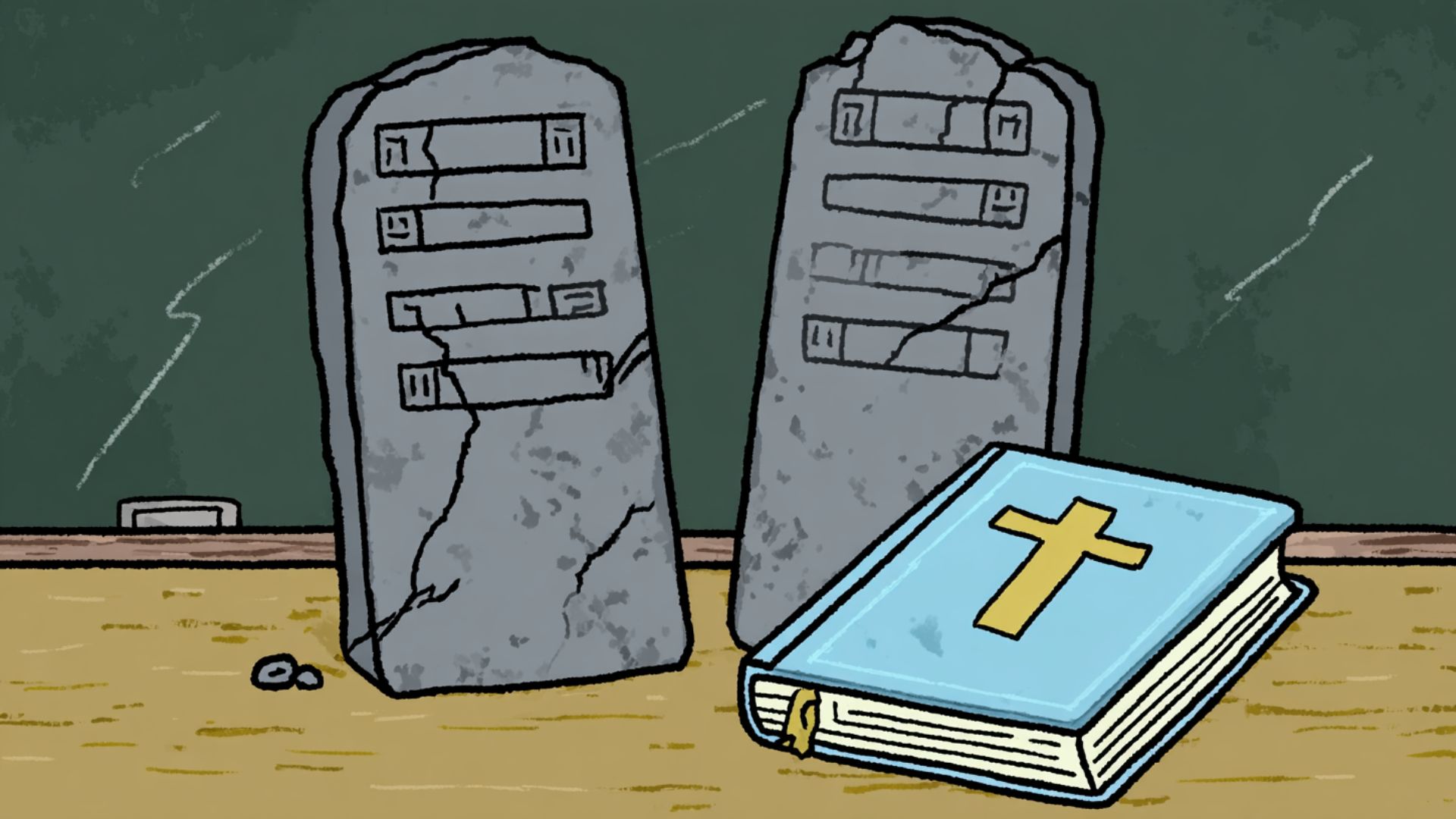
Let’s break down each commandment in a way that makes sense for kids. These aren’t scary rules. They’re helpful guides for living your best life.
1. You Shall Have No Other Gods
This commandment tells us that God should be the most important thing in our lives. Nothing else should take His place, not toys, not games, not even our favorite things.
God wants to be number one in our hearts. We can love lots of things, but God comes first. It’s about putting our faith and trust in Him above everything else.
2. You Shall Not Make Idols
An idol is anything we worship or think is more important than God. Back in Bible times, people made statues to worship. Today, an idol might be a phone, a video game, or even a celebrity we obsess over.
We should enjoy things, but not let them control us or replace God in our lives. When something becomes more important than spending time with God or family, it’s become an idol.
3. Do Not Use God’s Name in the Wrong Way
God’s name is special and holy. We shouldn’t use it carelessly or when we’re angry. We should use God’s name when we’re praying, praising Him, or talking about Him with love.
Just like you wouldn’t want someone using your name in a mean or careless way, the same goes for God’s name. It’s about showing respect and honor.
4. Remember the Sabbath Day
God wants us to take one day each week to rest, worship, and spend time with family. This is usually Sunday for many people, but the important part is setting aside time.
This means going to church, spending time with your family, and taking a break from busy schedules. It’s like hitting a reset button where you can relax and enjoy being together. No homework, no rushing around, just rest.
5. Honor Your Father and Mother
This commandment tells kids to respect their parents, listen to them, and obey their rules. This means doing your chores without complaining, listening the first time your parents ask you to do something, and not talking back or being rude.
Your parents love you and want what’s best for you. Honoring them means recognizing everything they do. It’s about respect, gratitude, and obedience.
6. You Shall Not Kill
This commandment is about more than just the really bad stuff. It’s also about not hurting people with our words or actions.
Don’t hit, push, or hurt others physically. Don’t bully or say mean things that hurt people’s feelings. Learn to control your anger instead of lashing out. Be kind even when you’re upset and treat all living things with care.
7. You Shall Not Steal
Taking something that doesn’t belong to you is stealing. It’s wrong whether it’s big or small. This includes taking a toy from a friend without asking, keeping money you found that belongs to someone else, or not returning something you borrowed.
If you want something, ask for it. If it’s not yours, leave it alone. Treat others the way you want to be treated. Stealing breaks trust and hurts relationships.
8. You Shall Not Lie
Lying breaks trust. When you lie, people stop believing you, even when you’re telling the truth. This means telling the truth, even when you’ll get in trouble, and admitting when you break something.
Sometimes the truth is hard, and you might get in trouble. But lying makes things worse. People respect honesty, even when it’s difficult. Truth builds trust and strong relationships.
9. You Shall Not Want What Others Have
This commandment is about being happy with what you have instead of always wanting what others have. It’s called being content.
When your friend gets something new, and you feel jealous, this commandment teaches us to be grateful instead. Look at what you do have, not what you don’t. Jealousy makes us unhappy. Gratitude makes us happy.
Conclusion
The kids 10 commandments aren’t complicated or outdated.
They’re practical tools that help children navigate life with confidence and character. When you take the time to teach these rules, you’re giving kids a moral compass that will serve them well into adulthood.
Start simple. Pick one commandment each week to discuss at dinner. Point out real-life situations where they apply. Make it fun and relatable.
Your kids will thank you later when they realize how much easier life is when you know the difference between right and wrong. Ready to get started?
Choose the first commandment today and begin a conversation that could change everything.