The Journey of a Dinosaur Skeleton: From Fossil Dig to Museum Exhibit
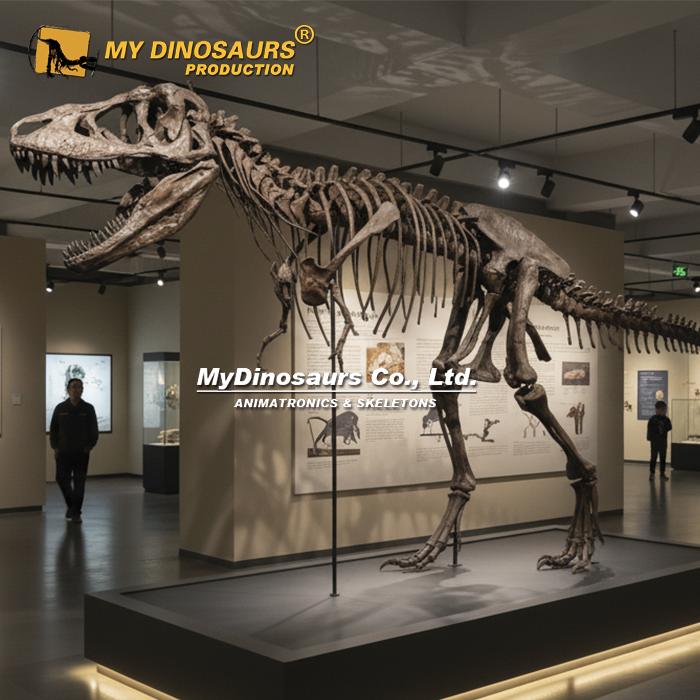
For most museum visitors, seeing a towering dinosaur skeleton feels almost magical. Yet behind every exhibit is a long, meticulous journey that begins far from climate-controlled display halls.
From remote desert excavations to high-tech preparation labs, each fossil undergoes years of scientific care before it finally stands assembled for public viewing.
As interest in paleontology continues to grow worldwide, understanding this process also deepens appreciation for the science behind museum displays.
Some individuals and private institutions even look for a full dinosaur skeleton for sale to enhance educational or exhibition environments.
While museum-quality skeletons, whether original fossils or scientifically accurate replicas, require extraordinary expertise to produce, the journey behind them remains rooted in the same scientific methods that bring prehistoric life back into view.
The Search Begins: Identifying a Promising Fossil Site
How Paleontologists Locate Dinosaur Bones
Finding a dinosaur skeleton begins long before the first grain of dirt is brushed away. Paleontologists rely on:
- Geological maps showing rock layers of the correct age
- Satellite imagery to locate erosion patterns revealing bones
- Historical field notes from earlier expeditions
- On-site surveys for exposed fragments
The best fossil sites are often arid, remote, and difficult to reach. These landscapes, such as the Gobi Desert or the Morrison Formation in the western United States, protect bones from moisture and plant roots, allowing fossils to survive for millions of years.
Initial Discovery and Field Documentation
Once a bone fragment is spotted, scientists carefully record the location, orientation, and surrounding sediment. This context is as important as the fossil itself, offering clues about ancient environments, death events, and geological changes through time.
Excavation: A Slow and Delicate Science
Tools of the Trade
Excavation is far more delicate than many assume. Rather than heavy machinery, paleontologists use:
- Dental picks
- Brushes
- Wooden probes
- Micro-chisels
- Water atomizers
Removing sediment too quickly risks damaging fragile bone surfaces.
Jacketing and Transport
When a section of skeleton is exposed, it must be stabilized. Scientists create a protective plaster jacket:
- Cover exposed bone with aluminum foil or wet tissue
- Wrap layers of burlap soaked in plaster
- Let the jacket harden
- Gently flip and reinforce the underside
This method ensures safe transport even for fossils weighing hundreds of kilograms from the dig site to a preparation laboratory.
Fossil Preparation: Restoring Bones to Their Ancient Form
Inside the Preparation Lab
After arriving at a lab, fossils undergo painstaking restoration. Technicians use microscopes and specialized tools to:
- Remove excess matrix (the surrounding rock)
- Consolidate fragile bone with adhesives
- Reconstruct broken or missing sections
- Clean, label, and catalog each piece
This stage may take months or even years, depending on the size of the skeleton and its preservation quality.
Why Replicas Are Often Used in Exhibits
Original fossils can be extremely heavy, fragile, or incomplete. For this reason, many museums create scientifically accurate fiberglass or polyurethane replicas from mold-making processes. These allow for:
- Lighter, safer mounting
- Greater accessibility for traveling exhibits
- Preservation of original fossils in controlled storage
This is also the process behind many commercial options when institutions seek a full dinosaur skeleton for sale their goal is durability and educational accuracy, not possession of original fossil material.
Scientific Study: What Skeletons Reveal
Before a skeleton ever reaches a gallery floor, it undergoes extensive scientific analysis.
Key Research Areas Include:
- Species identification: Comparing bones to known specimens
- Growth and age studies: Examining bone histology
- Biomechanics: Modeling how the dinosaur moved
- Paleoecology: Understanding its environment and food sources
- Pathology: Identifying injuries or diseases
These findings often reshape scientific understanding and contribute to published research.
Designing the Exhibit: From Bones to a Stunning Display
Creating the Mounting Armature
A mount is the metal framework supporting the skeleton. Engineers and exhibit designers collaborate to ensure:
- Correct anatomical posture
- Structural stability
- Seismic safety in earthquake-prone regions
- Concealed supports for an aesthetically clean display
Every bone must be supported without drilling or damaging fossil material.
Reconstructing Missing Elements
Even the most complete skeletons often lack some bones. These are recreated using:
- Mirror imaging from the opposite side of the body
- 3D scanning and printing
- Anatomical comparisons with related species
This ensures biological accuracy while completing the visual form.
The Final Step: Displaying and Interpreting the Skeleton
Educational Storytelling in Museums
A skeleton alone isn’t enough visitors need context to fully appreciate the exhibit. Museums design interpretive panels, digital screens, and interactive features that highlight:
- The dinosaur’s habitat
- What it ate
- How it moved
- How it was discovered
- Why it matters to science
This transforms the fossil from a static object into a storytelling centerpiece.
Environmental Considerations for Display
To preserve the skeleton over decades, museums control:
- Temperature and humidity
- UV exposure
- Vibrations
- Dust and pollutants
Even replica skeletons benefit from careful environmental management to ensure long-lasting structural integrity.
Why the Journey Matters
For Science:
Each step survey, excavation, preparation, research, mounting adds valuable data to paleontology.
For Education:
Museum skeletons help people visualize deep time and evolution, making science accessible to all ages.
For Cultural Heritage:
Dinosaurs connect global communities with Earth’s natural history, igniting imagination and curiosity.
Whether displayed in a national museum, a regional science center, or a private educational collection, every skeleton carries the legacy of millions of years and the labor of countless scientists.
Conclusion
The journey of a dinosaur skeleton from discovery to museum display is a remarkable fusion of science, craftsmanship, and storytelling.
It begins with geological detective work in remote landscapes and continues through delicate excavation, meticulous restoration, and scientific study.
By the time a skeleton rises in a museum hall, it represents years sometimes decades of dedicated work from paleontologists, engineers, artists, and educators.
Understanding this process deepens appreciation for the exhibits people admire today and highlights the immense value of preserving natural history.
Whether encountering an original fossil or a carefully crafted replica, visitors gain insight into life millions of years old.
Each display serves as a bridge between past and present, inspiring curiosity and fostering a passion for science in future generations.