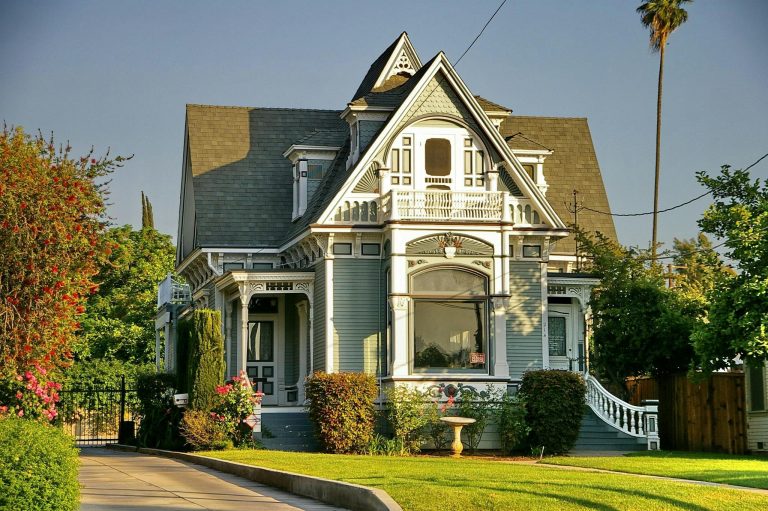
Why First-Time Homebuyers Now Want a Forever Home

For decades, the idea of the “starter home” shaped how people approached buying their first property. You bought something modest, built equity over time, and eventually moved on to something larger or better suited to your long-term needs. It was a step-by-step process that felt both practical and predictable.
But according to a Rocket Mortgage® survey, that model is starting to fade. Today’s first-time homebuyers are approaching the market with a different mindset. Instead of looking for a temporary entry point, many are searching for a home they can stay in for the long haul.
The shift is largely a response to a housing landscape that looks very different than it did even a decade ago.
Higher Prices Change the Equation
The most obvious factor in this equation is price. Home values in many markets have increased significantly, making it harder for buyers to enter at a lower price point. What used to qualify as a “starter home” now often comes with a price tag that feels anything but introductory.
When the initial investment is already substantial, the idea of treating that home as a short-term stepping stone becomes less appealing. Buyers are more likely to ask a simple question: If I’m stretching to afford this purchase, does it make sense to do it again in a few years? For many, the answer is no. Instead, they look for a property that can meet their needs over a longer period, even if that means adjusting expectations upfront.
Interest Rates Make Moving More Expensive
Interest rates have also changed how people think about buying and selling. When rates are higher, the cost of borrowing increases. That affects monthly payments, but it also affects future decisions. Moving from one home to another often means taking on a new mortgage, potentially at a less favorable rate.
That creates a kind of friction. Buyers are more hesitant to enter a situation where they might need to refinance or take on a new loan in the near future. The financial cost of moving becomes more significant, which encourages longer-term thinking from the start.
Transaction Costs Add Up Quickly
Buying and selling a home isn’t just about the purchase price. There are closing costs, agent fees, moving expenses, and other associated costs that can add up quickly. In a traditional “starter home” model, these costs are spread across multiple transactions over time. Today, that approach feels less efficient. If each move carries a meaningful financial burden, it makes sense to minimize how often those moves happen. First-time buyers are increasingly factoring this into their decisions, looking for ways to reduce the need for future transactions.
Lifestyle Needs Are Less Predictable
Another shift is happening on the lifestyle side. Work patterns, family structures, and long-term plans are less predictable than they once were. Remote work, for example, has changed how people think about space. A home now needs to accommodate not just living, but also working and other activities. That makes it harder to define what a “temporary” home should look like. Instead of planning for a quick upgrade, buyers are considering how a home can adapt over time. Extra space, flexible layouts, and location choices are all part of that calculation.
Inventory Constraints Limit Options
In many markets, inventory remains limited. The types of homes that traditionally served as starter properties are not always available in large numbers. When they are available, competition can be intense, driving prices even higher. This creates a different kind of decision point. Rather than waiting for the “perfect” starter home, buyers may choose to invest in a property that better aligns with their long-term goals. If opportunities are limited, it makes sense to prioritize staying power over short-term convenience. Scarcity tends to push buyers toward more deliberate choices.
The Risk of Being Priced Out Again
There’s also a forward-looking concern. Many first-time buyers worry about what the market will look like in a few years. If prices continue to rise, moving up later could become even more difficult. What feels like a manageable step today might not be an option in the future. This uncertainty influences decision-making. Buying a home that meets long-term needs now can feel like a way to reduce that risk. It provides a sense of stability in a market that doesn’t always feel predictable.
A New Definition of Practical
The idea of the starter home made sense in a different market. Lower prices, more predictable rates, and a steady supply of homes supported a step-by-step approach. Today’s conditions are different, and buyers are adapting accordingly.
Choosing a “forever home” as a first purchase isn’t necessarily about aiming higher. In many cases, it’s simply about being realistic. When costs are higher and uncertainty is greater, making a decision that holds up over time becomes the more practical choice. It reflects a shift from short-term thinking to long-term planning — and one that aligns with the realities of the current housing market.