Why Schools and Churches Are Investing in Inclusive Playgrounds
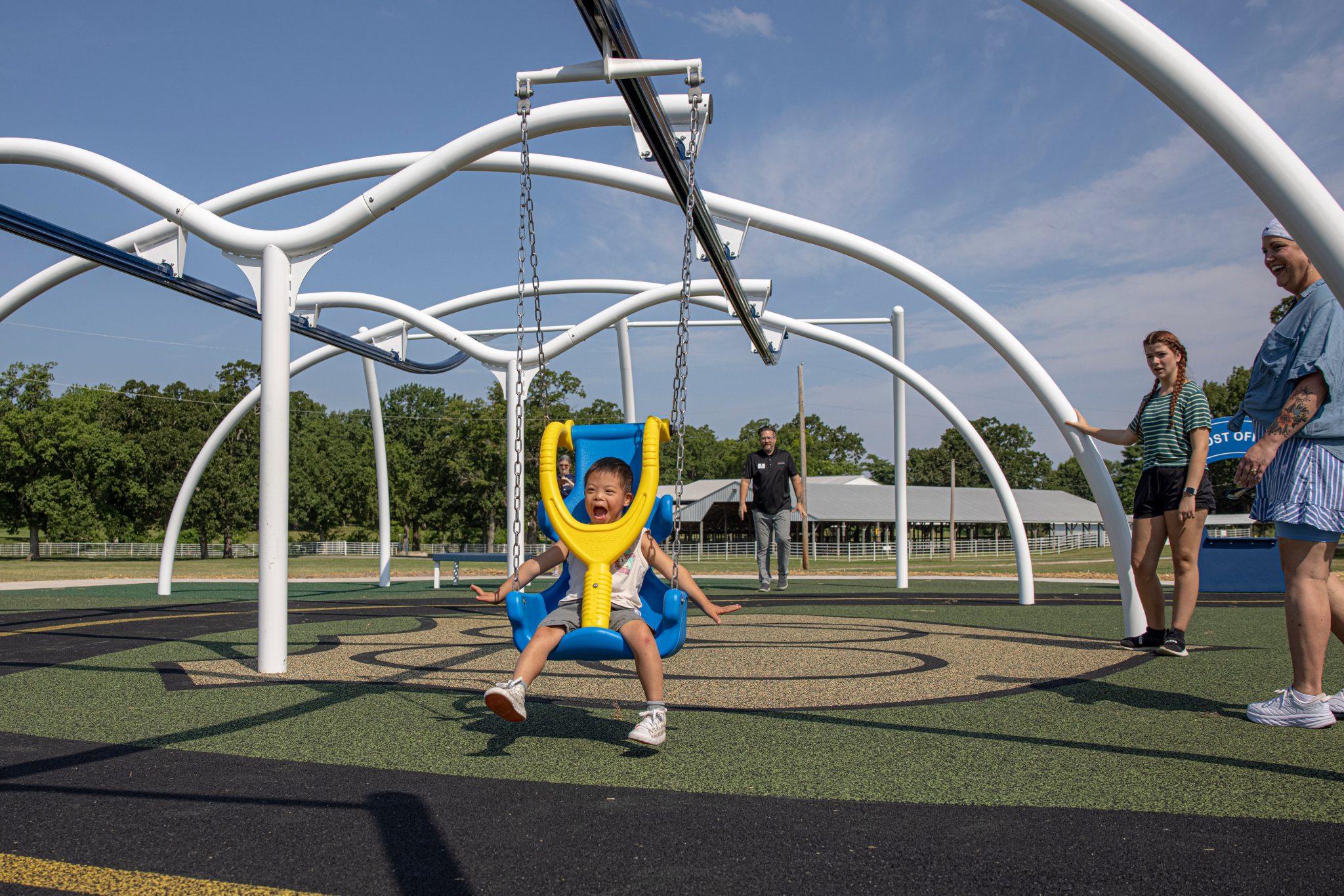
More and more, you’ll notice modern playgrounds sprouting up in churchyards and schoolyards across the country. These inclusive, inviting, welcoming play areas do more than just bring fresh colors and structures to the organization. They can change the entire messaging of spaces that are meant to help everyone who enters. This push toward universality, especially when it comes to kids, can help shape a brighter future for society, and schools and churches know that.
What an Inclusive Playground Looks Like
For more than 100 years, playgrounds have been places that challenge and push kids to aim higher. They’ve had high parallel bars, giant slides, and huge platforms kids can jump from and race across. These have been great for many able-bodied kids with traditional developmental processes. But many, many other children have felt excluded or put off by those classic play areas and structures because they make fun out of reach.
Your modern playground equipment manufacturer knows that Inclusive playgrounds offer a stark contrast to those structures of the past. Sure, they still have intense challenges for able-bodied kids and those unbothered by large, loud spaces. But they also have spaces with wider pathways and platforms to accommodate wheelchairs and walkers. They have quiet spaces for kids who get overwhelmed easily. And they include features like music, sand, and water that allow kids to have a gentler sensory experience.
All of these additions help create a welcoming space for kids of all ages, sizes, abilities, and developmental stages. Here’s how:
They Promote Social-Emotional Development
If there is one quality humans need, perhaps above all others, it is social-emotional development. Kids need to be able to regulate their emotions, express their feelings, and engage with others in a calm, reasonable, and respectful manner. But many adults and children are lacking those skills today because they’re rarely in situations where they have to interact with people different from them. They don’t have to build compassion for people who struggle or help each other out.
Inclusive playgrounds bring kids from across the community together, which places them all in situations they may not otherwise find themselves in. Churches can encourage their entire congregation to relax after service while their kids play on the structures. And schools get classmates out into the schoolyard to collaborate with each other. Since all children can join in the fun, they must see each other, interact, and even work together toward common goals.
They Support Physical Growth
Obviously, playgrounds have long been a place for kids to build strength in their muscles and bones and develop motor skills, both gross and fine. Sadly, however, that rule has only applied to able-bodied kids. For children in wheelchairs, on walkers or canes, or with sensory issues, those playgrounds can be overwhelming and too challenging to even attempt. Thus, many parks have only served a select group of children in society and left the others behind.
Churches and schools have come to realize this failure of so many playgrounds and have installed structures that can support the physical growth of all kids. With graduated challenges and quiet, sensory experiences, kids of all abilities can stretch, climb, swing, and play with their peers. As they’re having fun, they’re also performing a variety of exercises that can benefit their entire bodies. Especially in a time when it’s so much easier to just sit on a screen, inclusive playgrounds can be a game-changer for all kids.
They Support Cognitive Growth
It’s not just their bodies that need to grow and develop at these young ages, of course. It’s their minds as well. While arguments can be, and have been, made for the cognitive growth kids get from various forms of engagement with technology, they need outside time to balance it out. And the more time kids get to run, jump, climb, swing, and spend time in fresh air, the more critical parts of their brains can grow. Kids learn to focus, get creative, and even solve problems playing on playgrounds in ways they just don’t when they’re locked inside or stuck on a screen.
Schools and churches alike give their younger participants a fighting chance at growing their immature minds in productive ways when they invest in inclusive playgrounds. These structures are often with spaces for different kids to enjoy based on where they are developmentally. Some areas may help kids learn music, while others will hold space for group projects. Still others have themes that allow kids to imagine themselves in different worlds. Cognitive growth can happen for every kid who comes to play.
They Foster Community
Finally, inclusive playgrounds really do foster community. There are still many parks across the country that feel exclusive and welcoming to only a certain type of kid or family. It’s hard to come together with others in a space where you don’t feel you belong. But schools and churches are typically aimed at helping people meet, get to know, and learn to love one another. Indeed, the message in both spaces is often to help each other out and find ways to connect.
That’s the power of inclusive playgrounds at school and at church. Kids in wheelchairs can join kids running across a platform. Kids with sensory issues can take breaks in quiet spaces before joining the noisier, rowdier kids. And able-bodied kids can learn to have compassion and patience for their peers with different abilities. They can even take joy in befriending and building relationships with them. Meanwhile, parents may learn from their kids how to do the same.
In the end, schools and churches can lead the way in creating a more inclusive society. And they’re starting with their investments in inclusive playgrounds. For every kid who can now climb, slide, swing, and enjoy a play structure where they couldn’t before, the world has a chance at becoming a better, kinder, more empathetic place. It can become a place that meets the needs of all of its citizens. And yes, that shift can, and often does, begin on the playground.