
Free Online Tools That Make Family Budgeting Easier
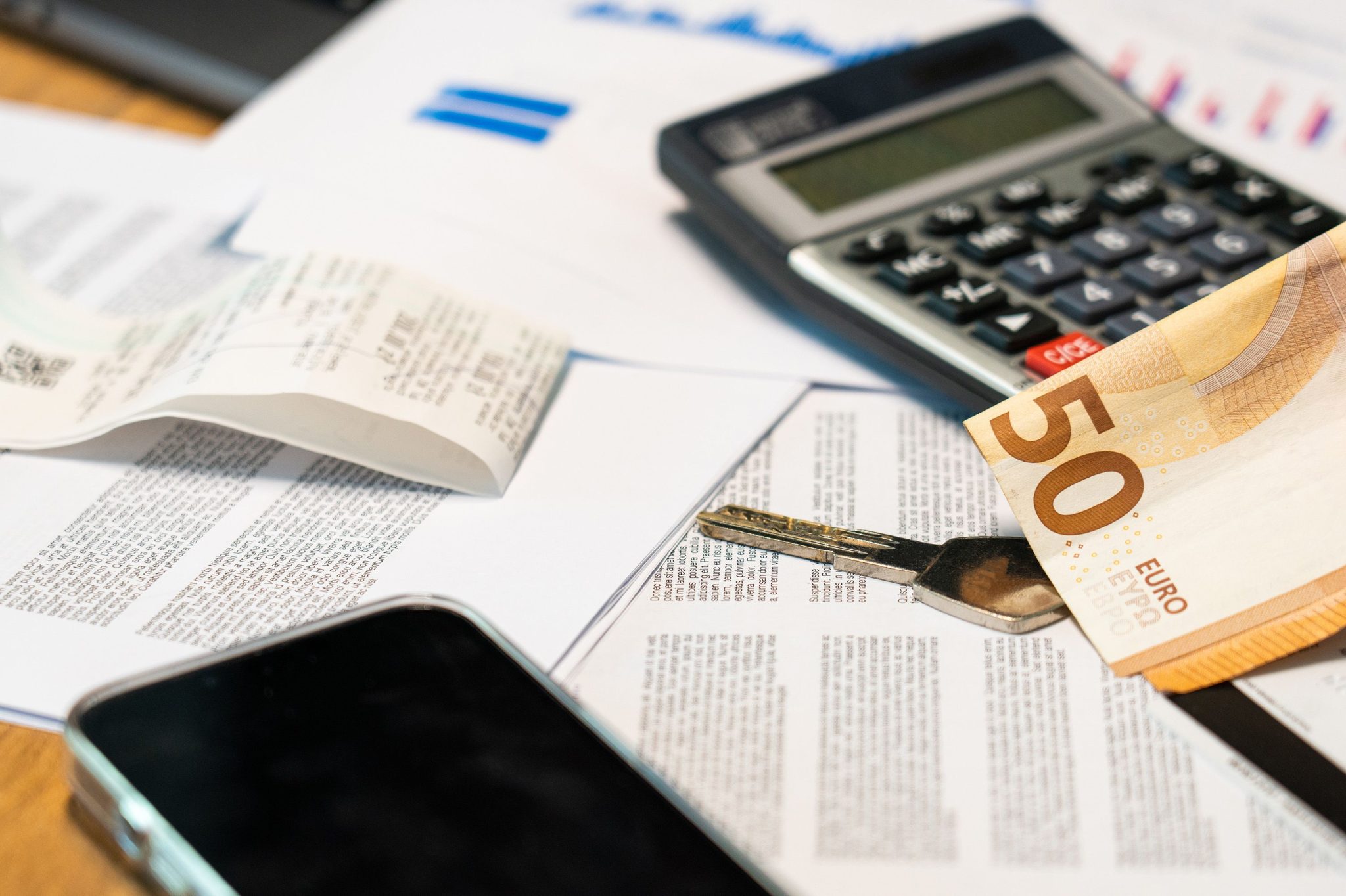
If you have ever sat at the kitchen table with a stack of bills, a grocery list, and a calculator that keeps giving you a number you do not like, you are not alone. Family budgeting is one of those things nobody teaches you properly, and most of us figure it out on the fly, usually after a month where the money ran out a week early.
The good news is that you do not need expensive software or a finance degree to get on top of it. There are genuinely free online tools that can take the hardest parts of budgeting off your plate. No subscriptions, no credit card required, no catch. Here are the ones that actually make a difference.
A Budget Calculator That Does the Math for You
The first step in any family budget is knowing where the money goes. That sounds simple, but when you try to add up rent, groceries, utilities, school costs, and everything else in your head, it gets messy fast. A free budget calculator lets you type in your monthly income and your regular expenses, and it shows you what is left over in plain numbers.
No spreadsheets, no formulas to set up. You can play around with the numbers too. What happens if you cut the takeout budget in half? What if the electric bill goes up this summer?
A calculator gives you the answer in seconds. I use a free budget calculator (https://tooldolfen.com/) whenever our expenses change, which happens more often than I would like with kids in the house. It takes five minutes and it stops the guessing.
A Grocery List Planner That Keeps You on Budget
Groceries are usually the second biggest household expense, and they are also the easiest one to overspend on. You walk in for milk and bread and walk out with forty dollars of things you did not plan to buy. A grocery list planner helps you build your list before you shop, based on what you actually need for the week.
Some let you plan meals at the same time, so you buy ingredients for real dinners instead of random items that sit in the fridge until they go bad. The trick is to check your pantry first, plan three or four dinners, and build the list around those meals. When you shop with a list and stick to it, the difference at checkout is real. It also means fewer midweek trips to the store.
A Bill Tracker So Nothing Slips Through
Late fees are the worst kind of money to lose. You are not buying anything, you are not enjoying anything, you are just paying extra because a due date slipped your mind. With a house full of people and a calendar full of school events, it happens.
A simple bill tracker, even a free one, keeps all your due dates in one place and reminds you before anything is late. You can see the whole month at a glance and plan around the big bills.
Some people prefer a phone app for this, and others like a simple online tool they can check from any device. Whatever you use, the point is the same. When every bill is tracked and paid on time, you stop losing money to late fees.
A Unit Converter for Smarter Shopping
This one sounds small, but it saves real money at the grocery store. When you are comparing a 12-ounce box at one price and a 16-ounce box at another, it is hard to tell which is the better deal without doing the math. The same goes for recipes.
A recipe calls for grams, your measuring cups are in ounces, and suddenly you are guessing. A free unit converter sorts this out in seconds. You type in the numbers, it gives you the answer, and you can compare prices per ounce or per pound properly.
Over a month of grocery shopping, picking the better value each time adds up. I keep a free online tools page (https://tooldolfen.com/) bookmarked on my phone for exactly this. It is one of those things you use for thirty seconds and then forget about, but it quietly saves you money every week.
A Savings Goal Tracker to Keep You Motivated

Saving money is hard when the goal feels far away. Whether you are saving for a family vacation, a new washing machine, or an emergency fund, it helps to see your progress in real numbers. A savings goal tracker lets you set a target, log what you put aside, and watch the percentage climb.
It sounds simple, and it is, but seeing that you are 60 percent of the way there is a powerful motivator. It turns saving from an abstract idea into something you can actually watch grow. Even small amounts count. Five dollars a week is two hundred sixty dollars a year. When you see it add up on a tracker, it feels worth doing.
Making It a Habit
Tools only help if you actually use them. The best system I have found is to pick one evening a week, usually Sunday, and spend fifteen minutes checking in. Update the budget calculator, plan the grocery list, check the bill tracker, and glance at the savings goal.
That is it. Fifteen minutes, once a week, and the money side of running a household stops feeling chaotic. You do not need to be perfect at this. Some weeks you will go over budget. Some months something unexpected will come up. That is normal. The point of using these tools is not to be perfect.
It is to know where you stand, so you can make better decisions instead of guessing. Start with one tool, the one that solves your biggest headache right now. Get comfortable with it, then add another. Before long, budgeting will feel less like a chore and more like something you have under control.
