
Small, Steady Steps: Building Better Habits With Your Dog
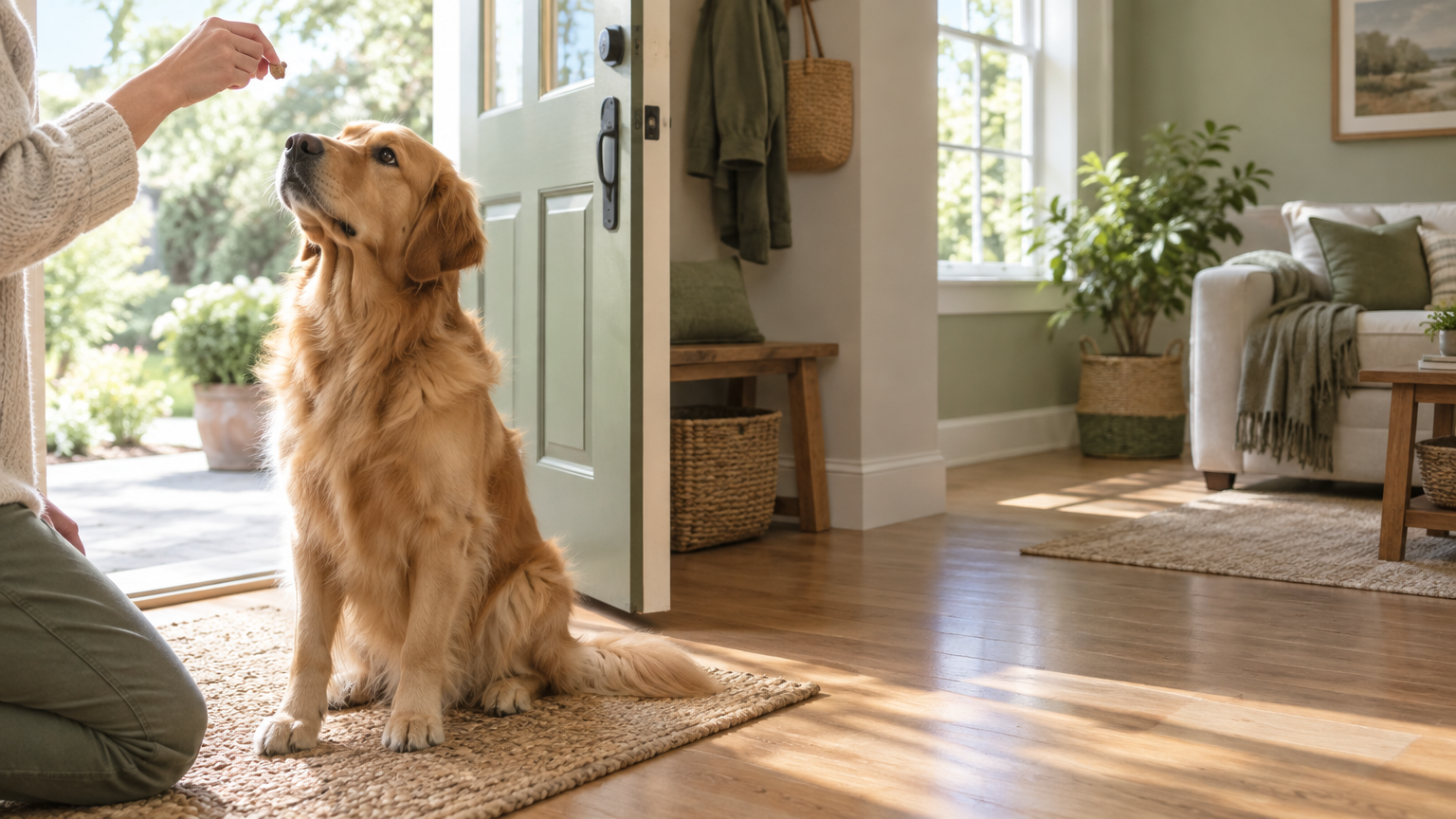
Good training is less about getting a perfect performance on command and more about helping a dog understand what works in everyday life. A calm walk, a reliable pause at the door, or a comfortable greeting can all grow from small lessons repeated with patience.
The most useful plan fits the dog in front of you: age, health, confidence, past experiences, and the environment all affect how quickly new skills take hold.
Make the Goal Easy to Understand
Start by describing the behavior you want in simple, observable terms. “Be good” is hard for a dog to interpret; “keep four paws on the floor when someone arrives” gives both dog and handler a clearer target. Break that target into manageable pieces.
If a dog struggles to remain settled when the door opens, practice first when the room is quiet, then add small challenges gradually. A dog that can succeed at an easy step is better prepared to learn the next one.
Reward the behavior you want to see again. The reward might be a small food treat, a favorite toy, praise, or access to something the dog enjoys.
Timing matters: offer it soon after the desired action so the dog can connect the consequence with the behavior. If the dog is confused, pause and make the exercise easier rather than repeating a cue louder or faster.
Practice in Short, Useful Sessions
Several brief sessions can be easier to fit into a busy day than one long lesson. Keep practice upbeat and stop before frustration builds.
Use ordinary moments as low-pressure opportunities: ask for a pause before clipping on a leash, reward a check-in during a quiet walk, or practice settling on a mat while the household relaxes. These are not shortcuts around structured instruction; they help skills become part of real life.
Dogs do not automatically understand that a cue learned in the kitchen applies on a busy sidewalk. Practice a familiar skill in one calm place, then gradually vary the room, distance, people, and distractions.
Change one thing at a time. If performance falls apart, that is useful information: the setting may be too difficult, the session may be too long, or the dog may need a simpler step.
Look for the Reason Behind the Behavior
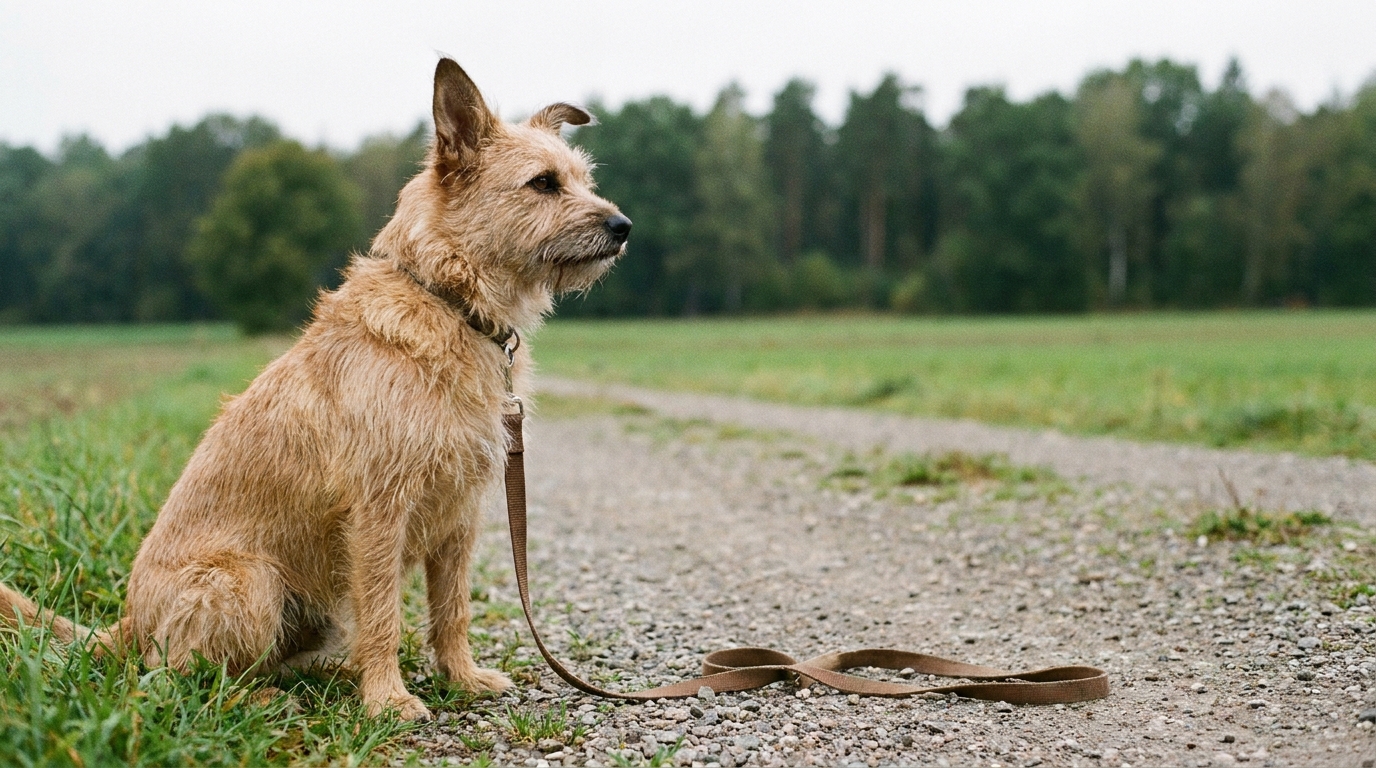
Behavior communicates. Pulling, barking, jumping, hiding, or refusing food can reflect excitement, uncertainty, discomfort, or competing needs. Rather than labeling a dog stubborn, observe what happens just before and after the behavior.
Note the setting, distance from triggers, time of day, and what helps the dog recover. This record can reveal patterns and guide a safer training plan.
For behavior involving fear, intense reactivity, or a risk of biting, create distance from triggers and prioritize safety. Avoid forcing close encounters or punishing warning signals.
A veterinarian can help rule out health factors, and a qualified behavior professional can assess the situation and recommend individualized next steps. Training should respect the dog’s limits while keeping people and other animals safe.
Give Progress Time to Become Dependable
Progress is rarely a straight line. A dog may respond easily at home and find the same skill difficult outdoors. Notice small improvements, keep expectations realistic, and revisit easier practice when life gets challenging.
Consistency across the household helps too: agree on cues, boundaries, and rewards so the dog receives a clear message rather than a different rule from each person.
When choosing support, ask how a trainer assesses a dog, explains the plan, handles setbacks, and helps families continue practice after lessons. The goal is not merely a polished moment in class but a workable routine at home and in the community.
Owners looking to compare approaches can explore dog training resources and use them as a starting point for questions about their own dog. For young dogs, a separate discussion of early foundations can help owners plan the next steps: puppy training.
With realistic goals, thoughtful rewards, and steady practice, everyday interactions can become easier to understand for both ends of the leash. The best next step is the one that keeps the dog comfortable, the people safe, and learning possible.


