Nature-Based Summer Camps: Why Richmond Families Are Leaning Outdoors
Every spring, I hear the same thing from parents—usually somewhere between soccer practice and bedtime.
“We want summer to feel different.”
Different from the school year. Different from the screens. Different from the packed schedules that leave everyone a little worn down by June.
That desire is a big part of why more Richmond families are gravitating toward nature-based summer camps—programs built around outdoor exploration, hands-on learning, and long stretches of screen-free time. These camps don’t just fill the calendar; they give kids room to breathe, move, and rediscover what it feels like to play and learn outside.
Kids Are Telling Us What They Need
As both a parent and someone who has spent decades working in family media and summer camp resources, I’ve had countless conversations with families about what kids are really craving. And increasingly, they’re saying it out loud.
In a recent statewide parent survey conducted through VirginiaSummerCamp.com, nearly 60% of families said their child is most excited by outdoor adventure or unstructured nature play, ranking it higher than sports, arts, or academic-focused camps.
That result didn’t surprise me—but it did confirm what many parents already sense at home. Kids are eager to unplug. They want space to climb, explore, get muddy, ask questions, and just be kids again.
Learning Happens Best When It Doesn’t Feel Like a Lesson
One of the things I love most about nature-based camps is how naturally learning unfolds. There are no desks or worksheets, yet kids are constantly absorbing new skills.
Measuring sticks turns into math. Watching insects sparks science questions. Group games build cooperation and communication. Without the pressure of “doing it right,” children learn through curiosity and experience—often gaining confidence without even realizing it.
Parents frequently tell me their children come home from outdoor camps more independent, more resilient, and more willing to try new things. Those benefits don’t end in August; they carry into the school year and beyond.
Richmond Is Built for Outdoor Childhoods
Richmond has something special when it comes to raising kids outdoors. With its trails, parks, river access, and nearby green spaces, nature is already part of daily life for many families.
Local groups like Trail Kids RVA help foster that connection year-round, introducing children to hiking, creek exploration, and outdoor play alongside other families. For parents whose kids thrive in those environments, nature-based summer camps often feel like a natural next step—an extension of what their children already love.
Confidence Grows in the Small Moments
Outdoor camps tend to emphasize age-appropriate independence in ways that feel empowering. Kids might learn to pack their own gear, navigate a trail with a group, or persevere through an unexpected rainstorm.
These moments matter. They teach problem-solving, adaptability, and confidence. Parents often notice subtle but meaningful changes—kids standing a little taller, speaking up more readily, and feeling proud of what they’ve accomplished on their own.
A Slower Summer Pace Parents Appreciate
Nature-based camps also offer something parents quietly long for: a slower pace. There’s less rushing, less performance pressure, and more time to linger and explore.
For families coming off a busy school year, knowing their children are spending their days outside—moving their bodies, connecting with peers, and engaging their senses—brings real peace of mind.
Finding the Right Fit
Not all outdoor camps look the same, and that’s a good thing. Some focus on forest-school philosophies, others on adventure skills, environmental education, or creative outdoor play.
When families are exploring options, I often encourage them to think about:
- How much of the day is truly spent outdoors
- Camper-to-staff ratios and safety practices
- How challenges are introduced and supported
- Whether the camp’s philosophy aligns with their child’s personality
For parents looking to compare different camp styles across Virginia, resources like VirginiaSummerCamp.com can be a helpful starting point for exploring options in one place and understanding what questions to ask.
Summers Kids Remember
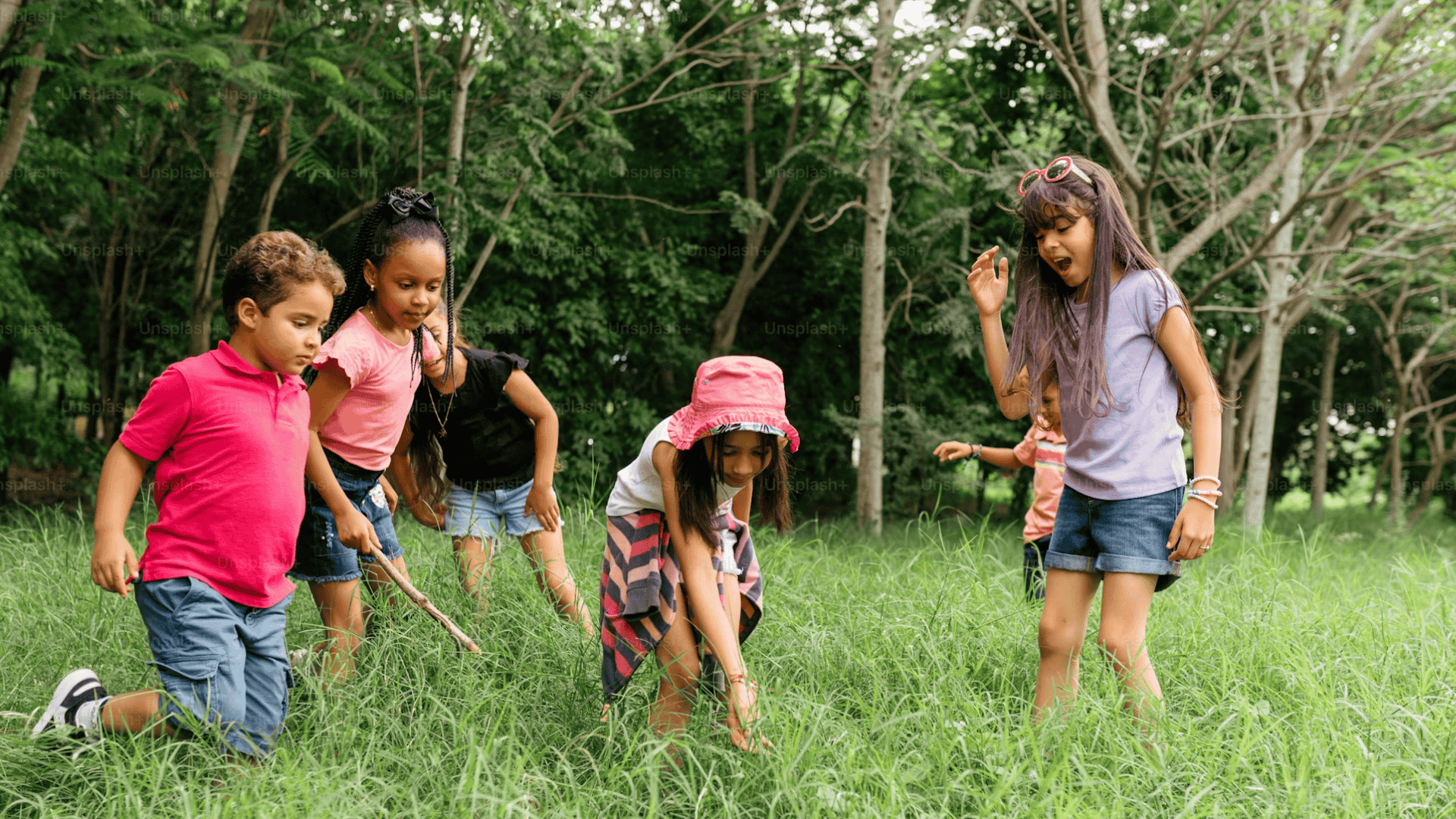
Long after summer ends, children tend to remember the simplest moments—finding tadpoles, building forts, eating lunch on a blanket, walking a trail with new friends.
Those experiences shape how kids see themselves and the world around them. For many Richmond families, choosing a nature-based summer camp isn’t just about summer coverage—it’s about raising curious, confident kids who feel grounded, capable, and connected to the outdoors.