What to Know Before Renovating a Victorian Terrace
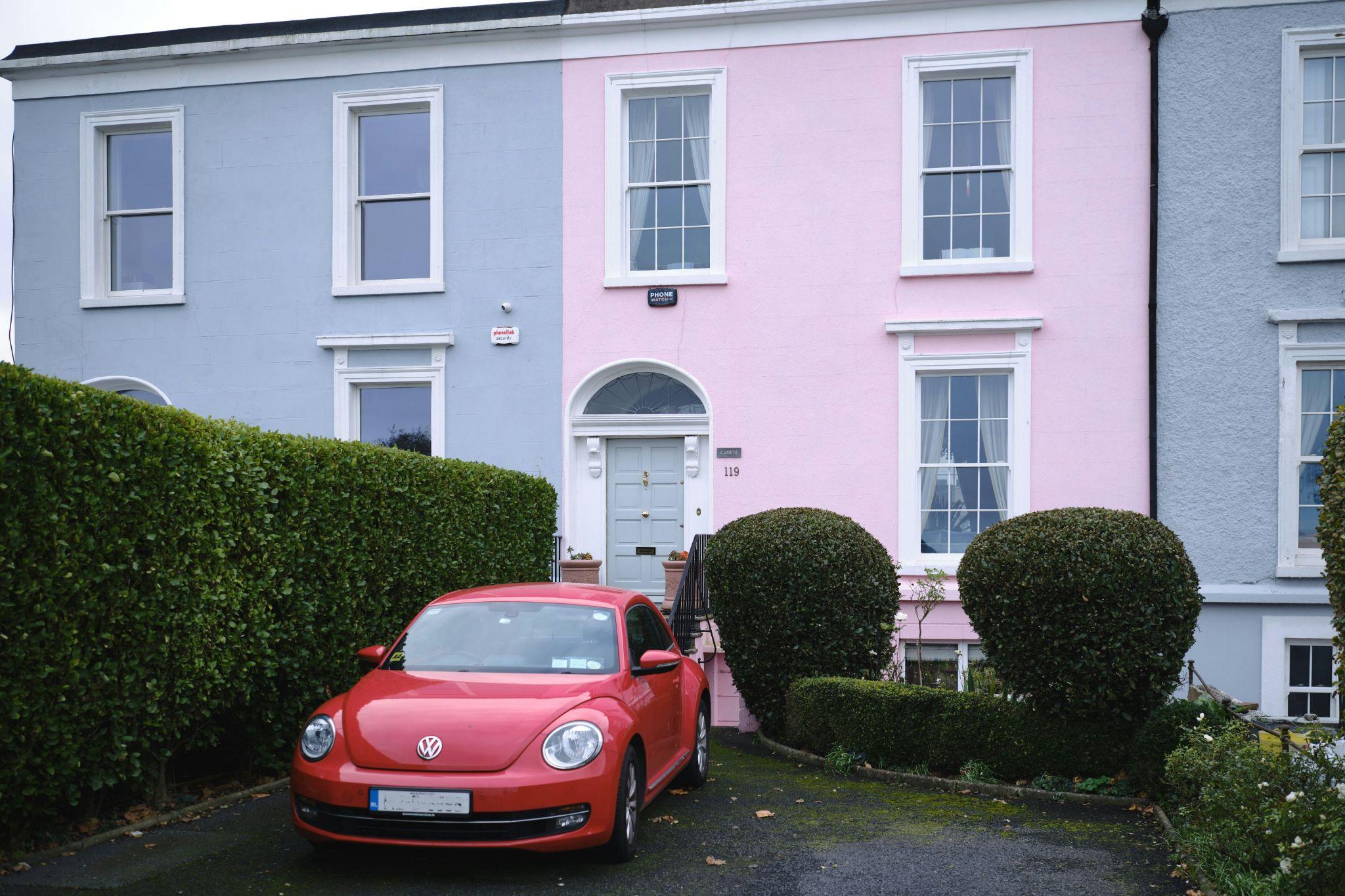
Victorian terraced houses are ubiquitous in the UK, and one of the nation’s most-loved styles of home. They are packed to the rafters with charm, thanks to high ceilings, original fireplaces, and gorgeous sash and bay windows. However, due to their age, many are in need of a little modernisation. If you’re planning to renovate your Victorian terrace, here are some things to know before you start tearing down walls or drawing up new layouts.
You Might Have Asbestos or Lead
While your Victorian terrace almost certainly wasn’t built with materials containing asbestos, that doesn’t rule it out. If the building was renovated, repaired, or redecorated in the 30 or so years before 1980, it’s probable that asbestos was involved. It can show up anywhere from old roof tiles to pipe lagging and even some flooring.
Artex, the decorative, textured ceiling coating popular in the 1960s, 70s, and 80s, can also contain asbestos. Some old paint and plumbing may include lead. Even small amounts of exposure to these harmful substances can do irreversible damage to your body. It’s a wise idea to have your home checked by professionals before you start any work. If they find asbestos and it’s already caused health issues, an asbestos exposure lawyer can help you understand your options.
Damp is a Common Issue
Many Victorian houses didn’t originally include proper damp protection, though they should have had something called a damp-proof course added later. This is a layer (typically slate or plastic) built into the walls near ground level to stop moisture rising from the earth. Over many years battling the dreary British weather, these can fail; if so, you’ll notice peeling paint or wallpaper, black mould on the walls, or a musty, damp smell. Unfortunately, fixing damp doesn’t tend to be quick or cheap, but it is non-negotiable, so it’s worth factoring this into your budget early on.
Old Timber Can Cause Problems
Original features are a big attraction, but timber doesn’t last forever. Wooden floorboards, joists, and roof beams might look fine on the outside, but they could be hiding rot or woodworm. Fortunately, there’s an easy way to avoid any nasty surprises. A timber survey can give you a good idea of the state of the wood, and it’s often easier to repair or replace affected areas before the rest of the renovation gets going.
You May Need Neighbours’ Permission
By design, terraces share walls, which can sometimes throw a spanner in the works. For instance, if you want to remove a chimney breast, convert the loft, or build an extension, you might need a party wall agreement. This is a legal document that outlines who’s responsible for what. It protects you and your neighbours, and avoiding it can lead to serious headaches, so don’t skip this step.
Endnote
Renovating a Victorian terrace may be slightly more complicated than a newer property, but the result can be ten times as rewarding. Once you’ve tackled the hidden issues, you’ll have a property that’s oozing with character, especially if you can salvage some of the original features. Remember to do your research and be cautious when it comes to hazardous materials. For the best results, it’s all about being aware of the fascinating intricacies and rich history of your beautiful Victorian home.