Why Historic Victorian Homeowners Delay Electrical Panel Upgrades Despite Increased Insurance Premiums
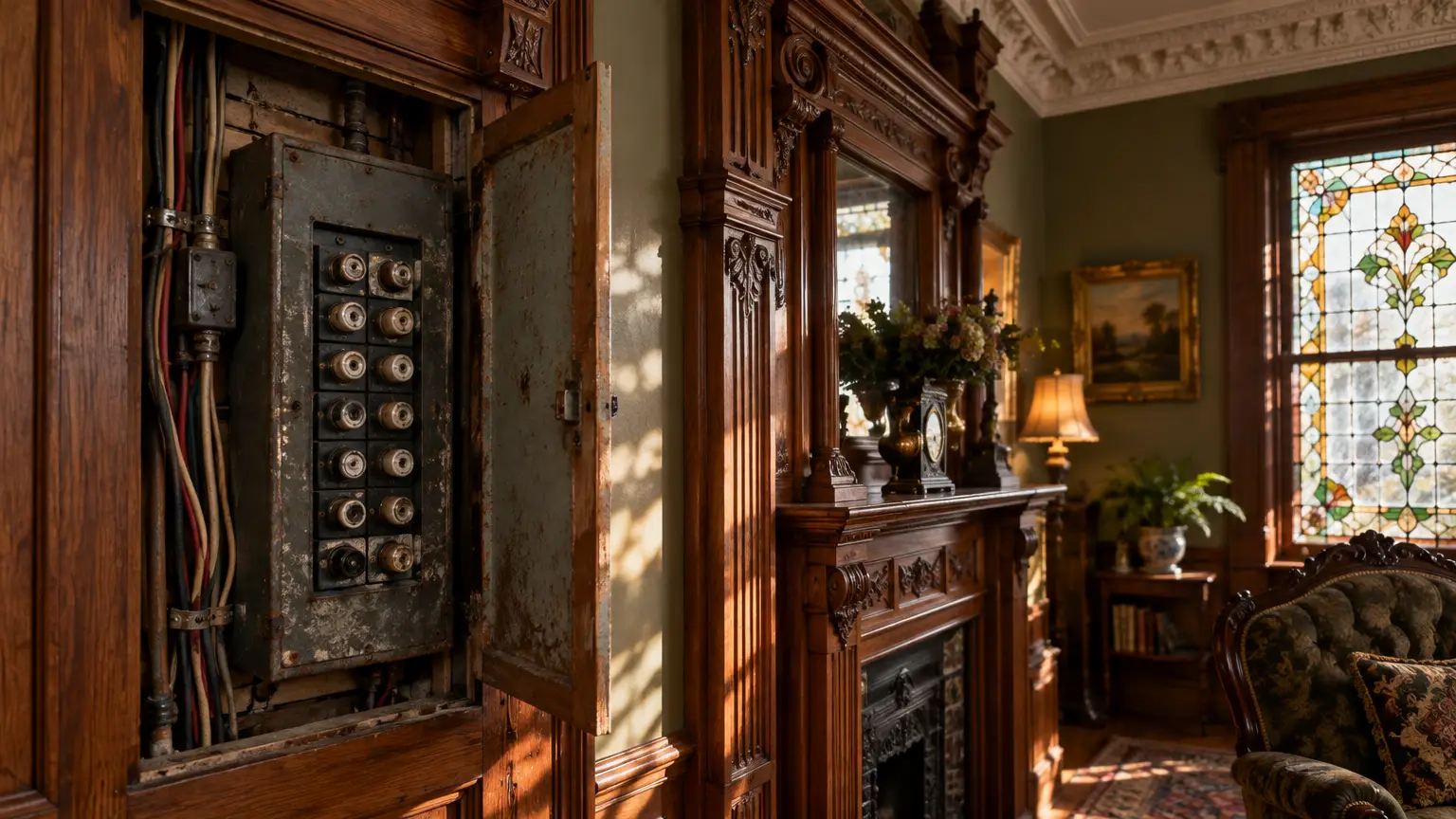
Walking through the halls of a historic Victorian house, owners are often surrounded by intricate moldings, original light fixtures, and the unmistakable character that only a century-old property can offer. Yet beneath the charm, many of these homes still rely on outdated electrical panels—technology designed for a far less demanding era.
Insurance providers have started to raise premiums for properties with aging electrical systems, citing fire risk and outdated wiring as key concerns. Homeowners face a tough decision: accept higher costs or undertake disruptive upgrades that could compromise the very features that make their homes unique. For many, the answer is to wait, weighing preservation, finances, and regulatory hurdles against the uncertain benefits of modernization.
Preserving Architectural Integrity in Aging Victorian Properties
For owners of Victorian-era homes, the thought of disturbing original lath-and-plaster walls or ornate woodwork during electrical panel replacements is daunting. Upgrading from legacy fuse boxes to safer, modern circuit breaker panels often requires opening walls, rerouting wiring, and potentially removing historic finishes.
Many homeowners hesitate because even careful upgrades risk damaging stained-glass windows, elaborate wainscoting, or decorative medallions that cannot be easily replicated. The desire to maintain authenticity drives some to postpone changes, even when aware of insurance penalties connected to outdated systems.
These concerns are compounded when original fixtures, like push-button light switches or knob-and-tube wiring, remain in use. Owners may feel a responsibility to preserve these artifacts for their historical significance—not just for aesthetics, but as part of the property’s story. For those considering Electrical Panel Upgrades, the fear of irreversible alteration can outweigh the immediate pressure from insurance companies. This hesitation becomes a common obstacle on any list of historic home Electrical Panel Upgrades.
Guidance from historic preservation organizations often encourages sensitive retrofitting, but even then, the risk of unintentional damage persists. Homeowners frequently consult best practices for electrical retrofits in historic buildings before making any commitment, hoping to find a balance between safety and preservation.
Financial Realities of Modernizing Vintage Electrical Systems
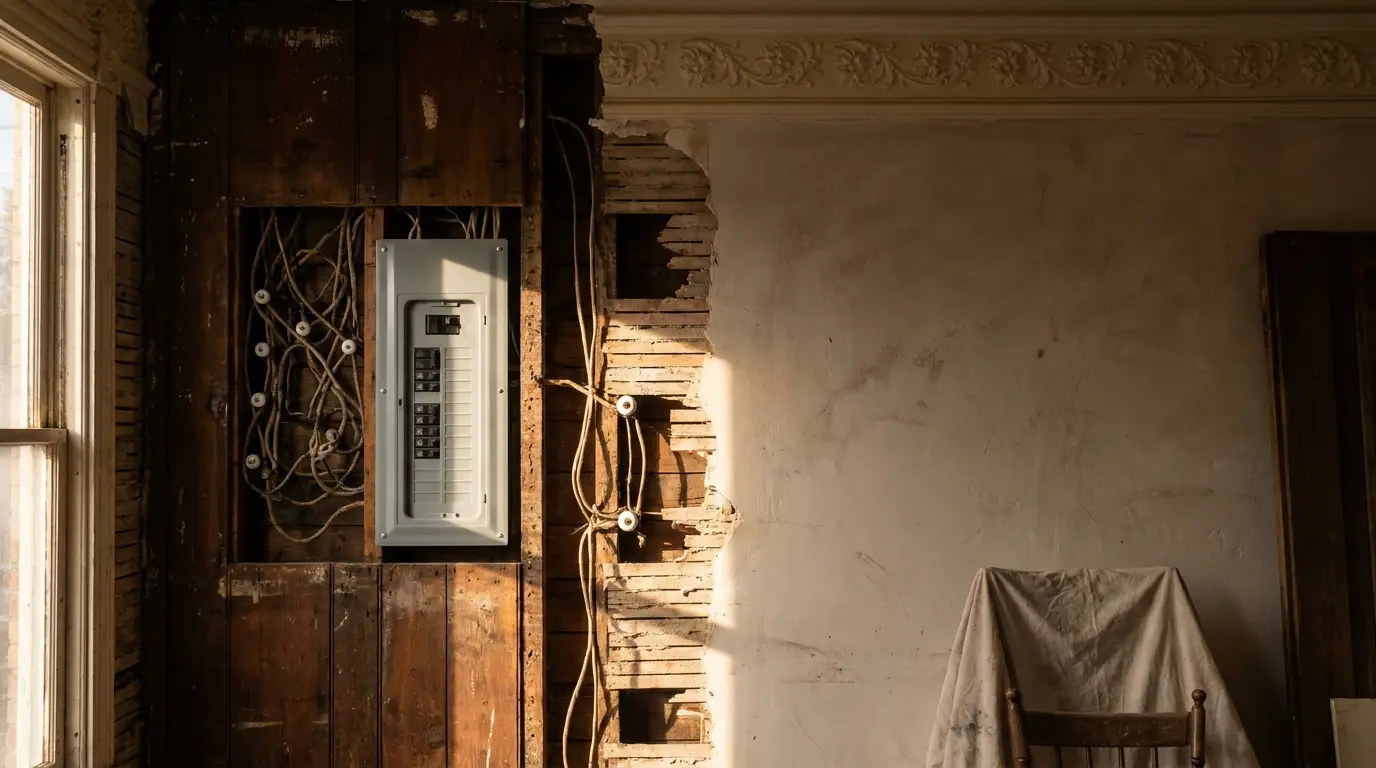
The cost of bringing a Victorian home’s electrical system up to current safety standards is often far higher than in a contemporary house. Specialized labor is needed to navigate old construction methods and materials, and unforeseen complications—such as hidden junction boxes or brittle wiring—can drive costs up quickly. Insurance premium increases may feel minor in comparison to the immediate outlay required for a full electrical overhaul.
Many homeowners must budget not only for the new electrical panel itself but also for potential restoration work on walls, ceilings, and decorative trim. In some cases, custom millwork or specialty plastering is required to restore features disturbed by the upgrade process. These added expenses create reluctance, especially when the annual increase in insurance premiums seems manageable compared to the upfront investment. Delaying historic home Electrical Panel Upgrades can thus appear to be the less disruptive financial choice in the short term.
Some property owners look to financing solutions for historic home renovations as a way to bridge the gap, but even with loans or grants, the financial burden remains a top reason for postponement.
Navigating Strict Historic Preservation Zoning Regulations
Victorian homeowners in designated historic districts often face complex approval processes when planning electrical upgrades. Local preservation boards may require detailed proposals and insist that any visible change be reversible or concealed within the existing structure. This means that standard panel replacements or wiring routes approved for newer homes might be denied or require expensive alternatives in a protected property.
Gaining permits can involve multiple rounds of review, each adding time and uncertainty to the project. Some boards demand that homeowners use period-appropriate materials or techniques, such as hiding new conduit behind baseboards or within crawl spaces, to avoid visible disruption. This level of oversight can delay projects for months, and some homeowners simply choose to accept higher premiums rather than endure the drawn-out process.
Even when upgrades are approved, contractors must often coordinate with preservation officials during installation. These requirements add further complexity to historic home Electrical Panel Upgrades, prompting many to postpone action until absolutely necessary.
Assessing Risk Tolerance Versus Rising Home Insurance Costs
Every Victorian homeowner has a unique threshold for risk when weighing the dangers posed by old wiring against the financial impact of increased insurance costs. Some are willing to absorb higher premiums as a calculated trade-off to preserve their home’s originality for a few more years. Others may have assessed their home’s electrical load and daily usage patterns, believing that their limited use of high-demand appliances justifies postponing an upgrade.
Discussions with insurance agents reveal that some companies offer incremental premium increases as opposed to outright policy cancellation, buying homeowners more time to make decisions. For those with a deep attachment to their home’s character, the perceived risk of malfunction may feel remote compared to the certainty of architectural loss from invasive upgrades.
Ultimately, the tipping point often comes when a combination of factors—such as the need for more reliable power, a major renovation, or an unmanageable insurance hike—pushes homeowners to finally commit to an upgrade. Until then, the calculation remains personal, with emotional and financial factors holding equal weight.
Conclusion
Victorian homeowners facing pressure to modernize their electrical systems must weigh the value of preservation, the realities of cost, and the complications of local regulations before making any move. Start by consulting both a preservation specialist and a licensed electrician with experience in historic properties to understand the full impact of an upgrade on your home’s character and safety. This approach helps clarify which compromises are acceptable and when the risks of waiting outweigh the benefits of delay.