Enhancing Maternal Sleep Architecture: Biomechanical Alignment, Pressure Relief, and Temperature Regulation
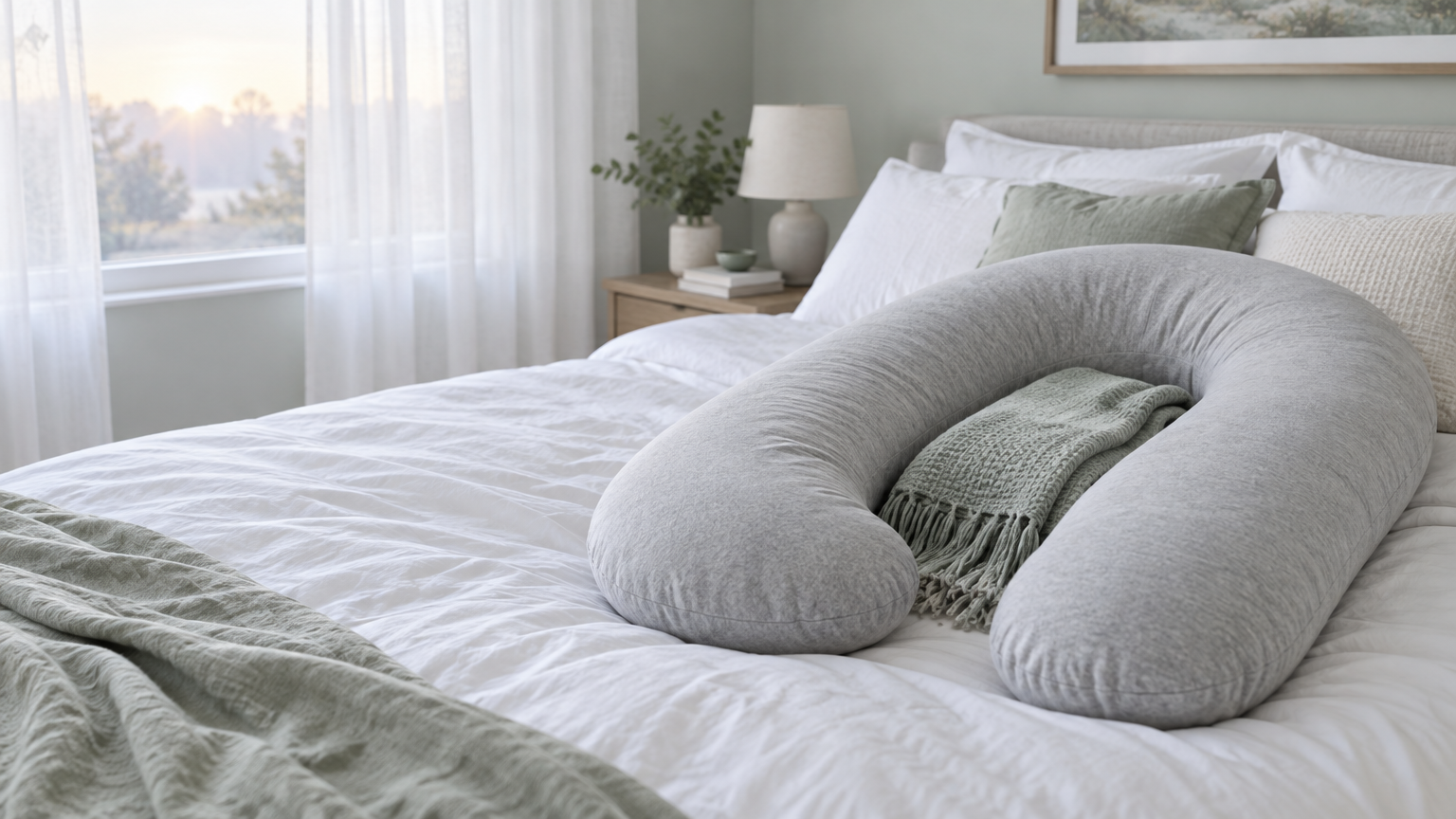
Maintaining physical comfort during pregnancy is one of the most effective ways to safeguard both maternal well-being and fetal development. As gestational weeks progress, the female body undergoes drastic musculoskeletal and vascular transformations: the center of gravity shifts forward, lumbar spinal curvature deepens, and weight accumulation exerts constant pressure on the pelvis and lower extremities.
To preserve cardiac output and maintain unimpeded blood flow to the placenta, medical professionals routinely emphasize side-sleeping during the second and third trimesters. However, holding a lateral sleep posture on a conventional mattress without adequate structural support frequently leads to pelvic misalignment, muscle strain, and interrupted sleep cycles.
Incorporating a specialized maternity pillow for back pain into your night routine provides the comprehensive anatomical scaffolding required to cushion the abdomen, realign the spine, and facilitate deep, restorative sleep.
Addressing the unique ergonomic challenges of pregnancy demands full-body support tools engineered around human mechanics. Relying on a full-contour u shaped pregnancy pillow allows expectant mothers to rest securely with symmetrical cushioning on both sides, ensuring that both the back and abdomen remain supported even during nighttime position changes.
Furthermore, for mothers experiencing pregnancy-induced hot flashes, hormonal night sweats, or living in warmer climates, upgrading to a dedicated cooling u shaped pregnancy pillow combines ergonomic joint stabilization with advanced heat-dissipating fabric technology, maintaining a cool and soothing sleep environment from dusk to dawn.
In this comprehensive guide, we will analyze the physiological mechanics of pregnancy sleep, explore how targeted physical alignment mitigates common maternal aches, compare support contours, and outline practical hygiene practices for long-term comfort.
1. Biomechanical Fundamentals: Why Full-Body Cushioning Is Essential
During pregnancy, the endocrine system increases the production of relaxin, a hormone that softens ligaments and relaxes pelvic joint cartilage in preparation for labor. While crucial for childbirth, this temporary joint laxity reduces physical stability and leaves expectant mothers vulnerable to postural strain during rest.
The Physiology of Side-Sleeping (SOS)
Obstetric care providers strongly advocate for Side-Sleeping (SOS), favoring the left side to maximize blood and nutrient delivery to the fetus while optimizing maternal kidney function.
Lying flat on your back during the late second and third trimesters can compress the inferior vena cava—the primary vein carrying blood from the lower extremities back to the heart—under the weight of the expanding uterus.
This compression can reduce systemic blood circulation, trigger maternal dizziness, and lower fetal oxygenation. A structured maternity contour cradles the torso in a stable lateral position, eliminating the effort required to maintain safe side alignment throughout the night.
Spinal Neutrality and Pelvic Leveling
When sleeping on your side without support between the knees, the top leg drifts downward toward the mattress. This forward drop rotates the pelvis, twists the lower lumbar spine, and exerts tension on the sciatic nerve.
Placing a dense cushion between the knees elevates the upper leg to hip height, keeping the pelvic girdle level and preventing sharp pulling forces on the sacroiliac joints and lower back muscles.
2. Relief Mechanisms for Common Pregnancy Aches
Full-body ergonomic support operates as an adaptive cushioning matrix that directly targets and relieves widespread physical discomforts:
- Lumbar Strain and Sciatica: By stabilizing pelvic rotation and offsetting abdominal weight drag, specialized maternity cushioning relieves strain on lumbar muscles and prevents compression of the sciatic nerve.
- Round Ligament Tension: As the uterus grows, the surrounding round ligaments stretch, causing sudden, sharp abdominal pulls during movement. Gentle belly support cradles the bump, alleviating downward gravitational pull on these sensitive connective tissues.
- Gastroesophageal Reflux and Heartburn: Utilizing elevated pillow sections keeps the head and torso slightly inclined above the stomach, preventing stomach acids from traveling back up the esophagus during sleep.
- Peripheral Edema and Leg Swelling: Elevating the feet and ankles slightly encourages venous return and lymphatic fluid drainage, helping reduce late-day swelling in the lower legs.
3. Structural Comparison: Evaluating Full-Body Support Shapes
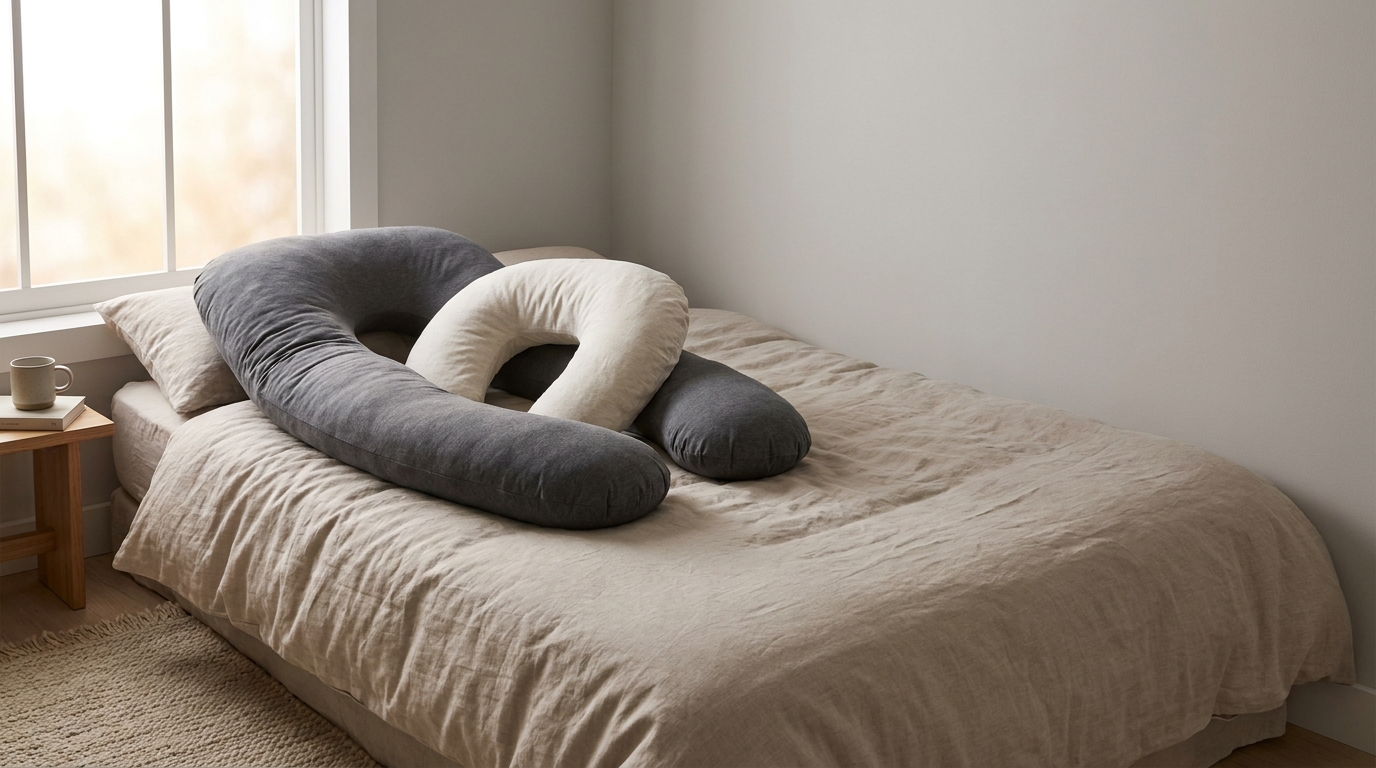
Selecting the appropriate support contour depends on individual sleep habits, mattress dimensions, and personal comfort preferences.
| Feature & Capability | Full-Body U-Shaped Contour | Single-Side C-Shaped Contour | Compact Wedge Support |
| Support Coverage | Symmetrical front and back support | Head-to-toe single-side support | Targeted local support (belly or back) |
| Nighttime Turning | Continuous (no need to shift pillow) | Requires manual repositioning | Highly portable, minimal footprint |
| Mattress Footprint | Fits standard Queen & King beds | Compact profile for smaller beds | Minimal space required |
| Postpartum Versatility | Nursing lounger & sitting cushion | Body prop & nursing rest | Travel cushion & knee divider |
Double-Sided Symmetry vs. Single-Side Hugging
Symmetrical U-shaped designs provide continuous double-sided cushioning. Expectant mothers who turn frequently during the night can flip from left to right without needing to adjust or drag heavy bedding across the mattress.
C-shaped designs hug one side of the body closely, offering a compact solution for smaller beds or co-sleeping arrangements.
4. Postpartum Adaptability: Beyond the Third Trimester
The utility of a premium maternity body contour extends far past childbirth.
High-quality support tools transition naturally into early motherhood routines:
- Ergonomic Nursing Cushion: Wrapping the flexible side arms around your waist creates an elevated, cushioned platform for breastfeeding or bottle-feeding, taking strain off your shoulders, neck, and forearms.
- C-Section Recovery Cushion: Following a cesarean delivery, a firm cushion protects delicate abdominal incisions from accidental pressure while resting or sitting up.
- Supervised Infant Tummy-Time Prop: Under direct adult supervision, the inner curved arches provide a gentle, supportive prop for baby’s tummy-time sessions, aiding upper body and neck muscle development.
5. Textile Care, Hygiene, and Material Longevity
Maintaining clean, hygienic bedding is fundamental for healthy skin and respiratory wellness throughout pregnancy.
- Removable Washable Covers: Choose models equipped with durable, full-length zippers for effortless removal. Wash covers weekly in warm water using gentle, hypo-allergenic laundry detergents.
- Advanced Breathable Fabrics: Opt for specialized cooling textiles or high-grade cotton weaves that manage moisture and maximize airflow, preventing thermal discomfort during sleep.
- Restoring Inner Fill Loft: Fluff the inner polyfill or memory fiber core regularly to maintain firmness and resilient support night after night.
6. Summary: Prioritizing Restful Pregnancy Sleep
Prioritizing sleep hygiene and physical comfort during pregnancy is vital for both maternal health and fetal development.
Utilizing a high-performance maternity body pillow provides the ergonomic structure needed to soothe joint tension, support healthy side-sleeping, and alleviate lower back discomfort.
By selecting the ideal contour and fabric technology for your home, you can turn your bed into a peaceful sanctuary and enjoy restful, rejuvenating sleep every night.